 EN
EN


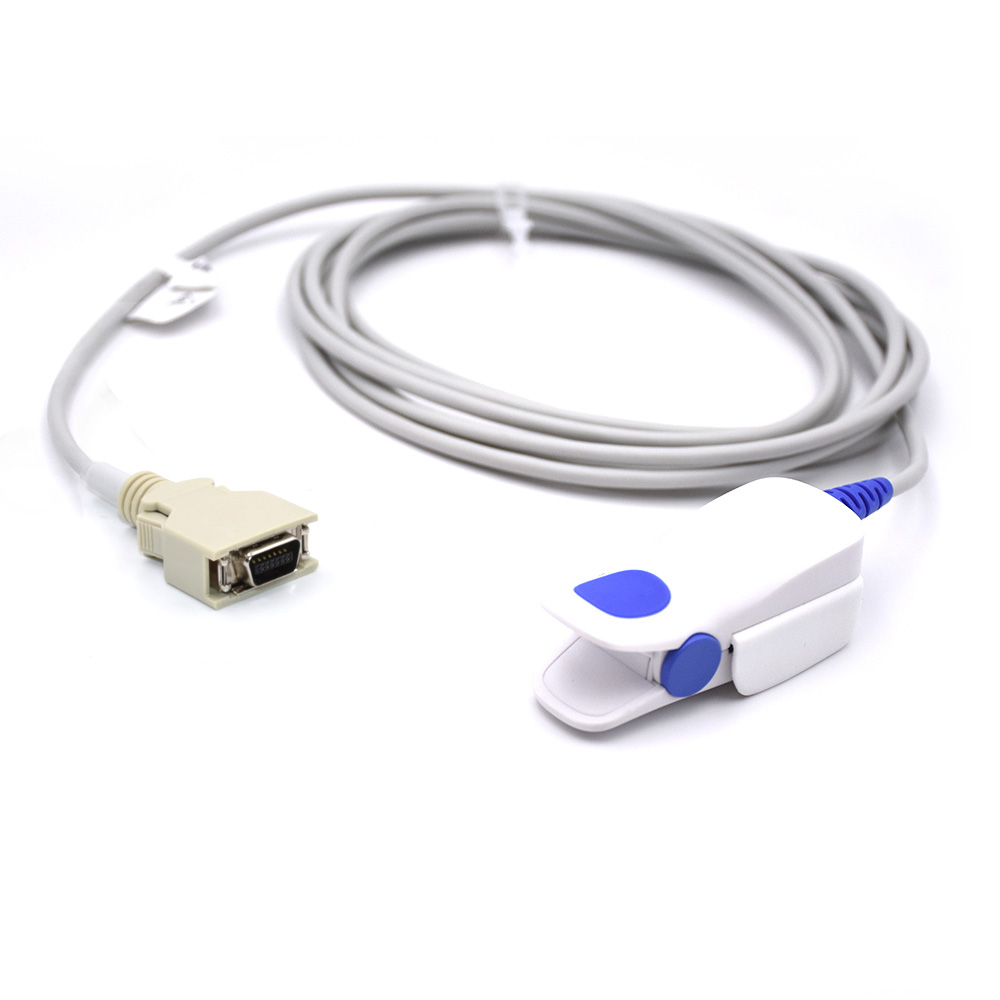
Skin Pigmentation and Light Absorption in SpO2 Sensors
Racial Disparities in Pulse Oximetry Accuracy
Clinical studies reveal significant discrepancies in SpO2 sensor accuracy across racial groups. Patients with darker skin tones experience 3x higher occult hypoxemia rates (SaO2 <88% despite SpO2 ≥92%) compared to lighter-skinned individuals Nature (2023). This occurs because traditional two-wavelength sensors struggle to distinguish oxygenated hemoglobin from melanin’s broad-spectrum light absorption.
How Melanin Interferes with Optical Measurements
Melanin absorbs 35–75% of red and infrared light used in pulse oximetry, disproportionately attenuating signals in pigmented skin. Advanced Monte Carlo simulations confirm that melanin’s wavelength-dependent scattering alters photoplethysmography (PPG) waveform morphology, leading to overestimated SpO2 readings by up to 3.2% in hypoxic ranges (<85%).
FDA Warnings and Clinical Implications for Diverse Populations
The FDA came out with new rules in 2023 that want SpO2 device testing to have at least 15% of participants who fall under Fitzpatrick skin types V through VI. Looking at data from around 72,000 intensive care situations reveals something concerning. Doctors actually missed about 12% of low oxygen level warnings for Black patients because these sensors just don't work as well on darker skin tones according to research published in the British Journal of General Practice last year. This isn't just numbers on a page either. It shows how real world medical decisions get affected when equipment has built in biases against certain populations.
Advancements: Multi-Wavelength Sensors and Algorithmic Calibration
Emerging sensors now incorporate:
- 750–950nm white-light emitters to penetrate melanin-rich tissue
-
Adaptive perfusion index compensation adjusting for skin tone in real time
Early trials demonstrate these technologies reduce racial bias in SpO2 errors by 68% (p<0.01) compared to legacy devices, marking a significant step toward equitable monitoring.
Peripheral Perfusion and Skin Temperature Effects on Readings
Cold Extremities and Low Blood Flow as Accuracy Barriers
Less blood flowing to the extremities, which happens during conditions like hypothermia, shock situations, or when blood vessels constrict, really affects how well SpO2 sensors work. The problem gets worse as skin temperatures fall under about 30 degrees Celsius (that's roughly 86 Fahrenheit) because the signal from these devices can drop almost half in those important infrared wavelengths needed to calculate oxygen levels according to recent research findings from industry reports. When it gets cold enough to cause vasoconstriction, there's simply not enough blood reaching where the sensors are placed. At the same time, the tissues themselves start absorbing more light, leading to measurements that look lower than they actually are. This is why clinicians sometimes get misleading results from pulse oximeters in chilly environments.
Role of Perfusion Index (PI) in Signal Reliability
Perfusion Index or PI for short measures the ratio between pulsating and non-pulsating blood flow and serves as a live gauge of how good the signal actually is. Studies indicate when PI drops under 0.3, there's about a 42 percent jump in errors during SpO2 readings according to research published in the Journal of Clinical Anesthesia back in 1999. These days most advanced monitoring devices show both PI numbers and SpO2 levels side by side. This dual display helps medical staff tell the difference between genuine cases of low oxygen levels and false signals caused simply by inadequate blood circulation in patients.
Clinical Challenges in ICU Patients on Vasoactive Drugs
Vasopressors like norepinephrine redirect blood flow away from extremities, compromising standard finger probe accuracy. In critical care, 68% of patients receiving vasoactive medications require alternative monitoring sites such as the earlobe or nasal septum. This highlights the necessity for multi-site compatible sensors in hemodynamically unstable patients.
Sensor Placement and Design Improvements for Poor Perfusion
New adhesive pulse oximeter designs with pre-warmed measurement sites (34–36°C) improve signal acquisition by 31% in low-flow states compared to traditional clip probes. Dual-sensor configurations that simultaneously monitor radial artery and capillary beds are also emerging as effective tools to reduce false alarms in unstable patients.
Nail Conditions, Polish, and Artificial Nails as Interference Sources
Common Errors from Cosmetic Nail Treatments
Gel manicures and acrylic nails interfere with SpO2 measurements by altering light transmission through the nail bed. A 2023 clinical review found thickened polish layers reduce infrared light penetration by 22–35%, directly affecting the wavelengths used to calculate oxygen saturation.
Light Absorption by Nail Polish and Artificial Materials
| Nail Condition | Light Interference Type | Typical SpO2 Error |
|---|---|---|
| Dark blue/black polish | Absorbs 660nm red light | +2.4% to -4.1% |
| Metallic/glitter finishes | Scatters both wavelengths | Unpredictable fluctuations |
| Acrylic/gel extensions | Blocks 50–80% of light | False hypoxia alerts |
Preventive Protocols in Surgical and Critical Care Settings
Leading surgical centers enforce standardized nail preparation:
- Remove polish from at least two fingers using acetone-free removers
- Prioritize index or middle fingers for sensor placement (thinner nail plates)
- Use forehead reflectance sensors for patients with full acrylic sets
ICU protocols incorporating these steps report a 63% reduction in false alarms, according to a 2024 study in the Journal of Critical Care Monitoring.
Motion Artifacts and Sensor Positioning Challenges
Impact of Patient Movement on Signal Stability
When patients move around a lot, that's actually one of the biggest reasons why SpO2 readings go wrong, particularly for people who are walking around or have limited mobility. The problem comes when someone is fidgety or shaking because it messes with how the light gets absorbed through their finger. Pulse oximeters then start thinking there are sudden spikes or drops in oxygen levels that just aren't real. This kind of error can really slow down important medical decisions. Some research from IntechOpen back in 2024 found that during exercise or other physical activities, these devices tend to show higher oxygen saturation numbers than what's actually happening, sometimes by as much as 8%. That means doctors might miss warning signs or take action based on false information.
How Motion Introduces Noise in SpO2 Monitoring
Motion disrupts SpO₂ signals through sensor displacement and tissue movement. Physical shifts alter optical alignment, while rapid motion mimics pulsatile blood flow, introducing high-frequency noise. Standard averaging algorithms often fail to distinguish this artifact from true physiological signals, resulting in unreliable readings.
High-Risk Environments: Pediatrics and Intensive Care Units
Neonatal and pediatric ICUs face elevated risks due to patient agitation, small extremities, and mechanical ventilation vibrations. Data indicate motion-related inaccuracies occur three times more frequently in pediatric units than in adult wards, complicating respiratory management in vulnerable populations.
Solutions: Motion-Tolerant Algorithms and Secure Sensor Designs
New signal processing methods are tackling these issues head on. For instance, adaptive filtering takes advantage of accelerometer readings to separate out unwanted motion signals. At the same time, machine learning algorithms built from varied patient information have gotten much better at filtering out background noise. The sensors themselves are also getting smarter, with flexible designs and strong medical adhesives that keep them properly positioned even when patients move around. Clinical tests indicate that putting all these technologies together cuts down on false alarms by almost half in hospital emergency rooms, which makes a real difference for both staff and patients.
Device Quality, Environmental Conditions, and Saturation Limits
Accuracy Variability in Consumer-Grade vs. Medical-Grade SpO2 Sensors
Consumer-grade SpO2 sensors exhibit ±3% greater variance compared to FDA-cleared medical devices (FDA report 2022). Medical-grade systems use redundant photodiode arrays and ambient light compensation algorithms, making them more reliable for detecting hypoxemia in conditions like COPD or sleep apnea.
Environmental Influences: Lighting, Altitude, and Sensor Calibration
Fluorescent lighting introduces a 1.5% error in reflectance pulse oximeters, and accuracy declines by 2.8% per 1,000 meters of altitude gain due to hypobaric conditions (WHO, 2023). Similar environmental vulnerabilities observed in high-voltage measurement systems underscore the importance of adaptive calibration in medical sensors.
Declining Accuracy at Low Oxygen Levels (<80%) and Clinical Risks
Below 80% saturation, measurement errors increase significantly—averaging 4.6% in forehead sensors versus 3.2% in finger probes (BMJ 2021). A 2023 ICU study found 19% of severe hypoxemia episodes (SpO2 70–79%) went undetected by conventional sensors, posing serious clinical risks.
Best Practices: Combining SpO2 Data with Arterial Blood Gas Analysis
According to guidelines from the American Thoracic Society released in 2023, doctors should check arterial blood gases every four hours when a patient's SpO2 drops below 85%. But looking at actual hospital practices, less than 4% stick to this recommendation consistently across the board. Some newer hybrid monitoring setups that combine traditional methods with transcutaneous pO2 sensors are showing promise though. These systems cut down on false alarms by around 38% in neonatal intensive care units. This suggests that combining different monitoring techniques might be the way forward for getting reliable readings about oxygen levels in patients who need close watching.
FAQ
Why are SpO2 measurements less accurate for people with darker skin tones?
SpO2 sensors struggle to distinguish between oxygenated hemoglobin and melanin in darker skin tones because melanin absorbs light at the wavelengths used, leading to overestimation of oxygen levels.
How does cold affect SpO2 sensor accuracy?
Cold temperatures cause vasoconstriction and reduce blood flow to extremities, leading to less blood where sensors don't work optimally. Moreover, tissues absorb more light, leading to potentially misleading results.
Why do nail polishes and artificial nails interfere with SpO2 readings?
Nail polishes and artificial nails interfere by altering light transmission, affecting the wavelengths used to calculate oxygen levels, thereby causing inaccuracies.
How do motion artifacts impact SpO2 readings?
Patient movement can displace sensors and disturb tissue, introducing noise and optical misalignment, leading to unreliable and fluctuating SpO2 readings.
How can SpO2 sensor accuracy be improved?
Using multi-wavelength sensors, algorithmic calibration, adaptive perfusion index compensation, and secure sensor designs can reduce errors and improve accuracy.
Table of Contents
- Skin Pigmentation and Light Absorption in SpO2 Sensors
- Peripheral Perfusion and Skin Temperature Effects on Readings
- Nail Conditions, Polish, and Artificial Nails as Interference Sources
- Motion Artifacts and Sensor Positioning Challenges
- Device Quality, Environmental Conditions, and Saturation Limits
- FAQ