 EN
EN


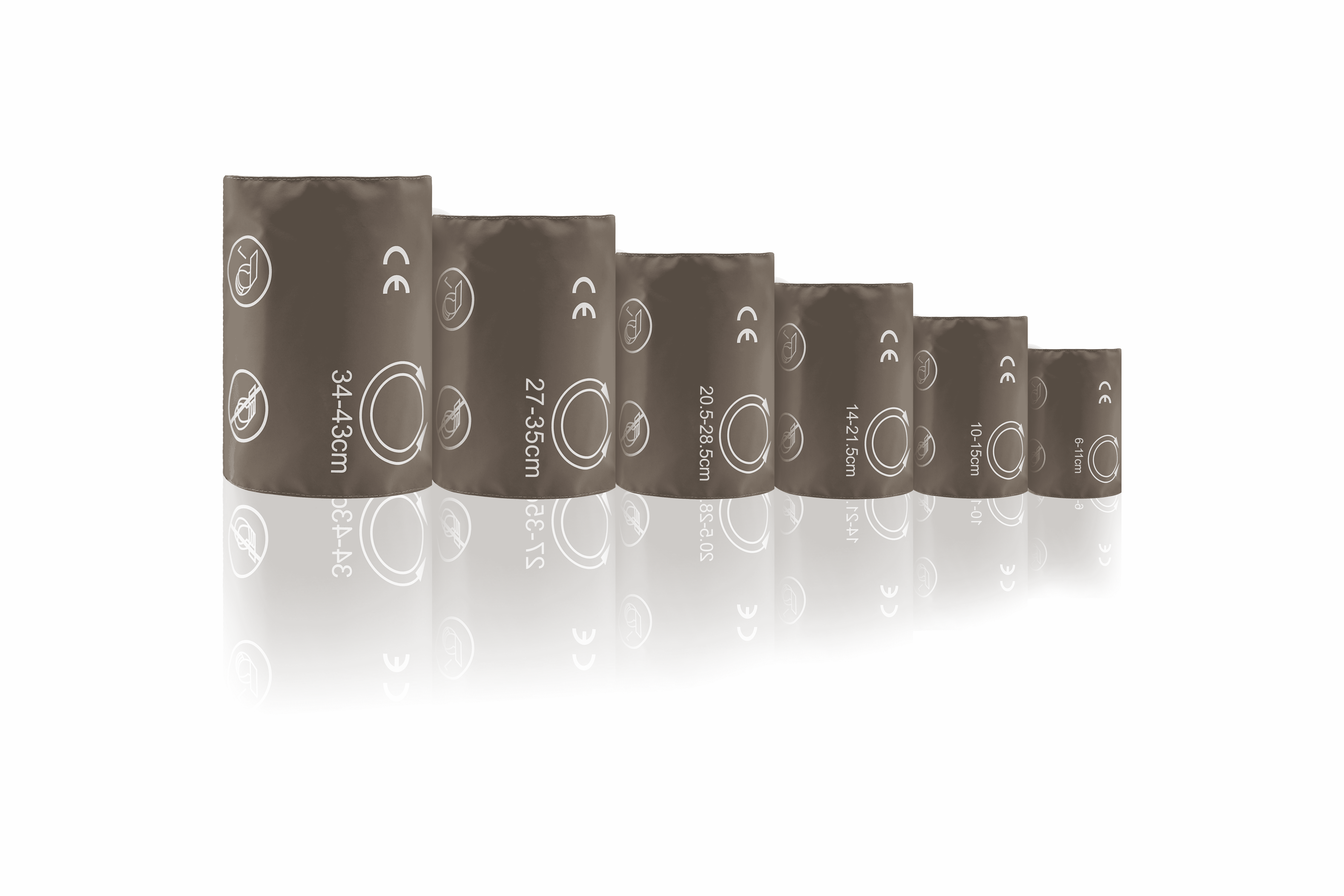
Understanding the Relationship Between NIBP Cuff Size and Arm Circumference
The Science Behind NIBP Cuff Size and Blood Pressure Measurement Accuracy
The accuracy of non-invasive blood pressure cuffs really hinges on how well the bladder fits around the arm, ideally covering about 40 percent of its total circumference. Research published last year in the Circulation Journal showed something interesting when they looked at this issue. If someone wears a cuff that's 5 centimeters too small, their systolic reading jumps anywhere from 8 to maybe even 12 mmHg higher than actual values. On the flip side, if the cuff is way too big, it actually gives lower readings by roughly 4 to 7 mmHg because it just doesn't compress the artery properly. Various biomechanical studies back up these findings, showing that when the bladder doesn't cover the right area, it messes with the pressure waves and makes the whole measurement unreliable.
Arm Circumference Guidelines for Selecting the Right NIBP Cuff
Manufacturers classify cuffs into four primary groups based on mid-upper arm measurements:
| Arm Circumference | Cuff Size | Bladder Width |
|---|---|---|
| 16–21 cm | Pediatric | 8–10 cm |
| 22–26 cm | Small adult | 12 cm |
| 27–34 cm | Standard adult | 13–15 cm |
| 35–47 cm | Large adult | 16–18 cm |
The American Heart Association stresses consulting manufacturer-specific sizing charts, as 62% of hospital-used cuffs deviate from standard ranges (Journal of Clinical Hypertension, 2024).
Why Using the Correct NIBP Cuff Size Is Critical for Accuracy
Incorrect cuff size contributes to false hypertension diagnoses in 1 of 7 patients (AMA, 2023). For every 5 cm of undersizing, systolic error rises by 1.5 mmHg in children and 2.3 mmHg in adults. Proper selection reduces unnecessary retesting by 34% in ambulatory settings, according to a 1,200-patient trial (Hypertension Research, 2024).
Consequences of Using an Ill-Fitting NIBP Cuff
When it comes to bariatric patients, we're seeing that oversized blood pressure cuffs are responsible for about 22% of all false low readings according to a recent study from Mayo Clinic (2024). Emergency rooms that stick with those generic one-size-fits-all cuffs run into problems too. Around 20% of what looks like hypertensive emergencies turn out to be misdiagnosed simply because the right size wasn't available. Some folks actually get readings that are way off by almost 20 mmHg when they need those larger cuffs. And this matters a lot. These kinds of measurement mistakes end up affecting how doctors treat patients. We've seen instances where people receive too much medication in roughly 13% of these cases because of simple cuff sizing issues.
Selecting the Right NIBP Cuff for Different Patient Populations
Pediatric and Neonatal Patients: Special Considerations for Small-Arm Cuffs
When dealing with babies and little kids, getting the right cuff size matters a lot. The bladder width should be somewhere between 5 to 10 centimeters to fit those tiny arms properly. If the cuff is too small for a child's arm, it might actually make blood pressure readings look higher than they really are sometimes by as much as 12 mmHg. On the flip side, when the cuff is way too big, doctors might not catch certain problems with how the heart is beating during relaxation phases. Most hospitals taking care of newborns have switched to single-use cuffs made from materials that don't irritate sensitive skin. These disposables help keep things clean between patients too, which makes sense given how vulnerable these little ones are.
Adult Patients: Standard and Large Cuff Selection Based on Arm Size
For adults, blood pressure cuffs need to wrap around roughly 80 percent of the upper arm length, and the bladder part should be about 40% as wide as the arm itself. Research from 2023 found something interesting when regular cuffs meant for arms between 22 to 32 centimeters were used on larger limbs over 34 cm. In most cases (around 7 out of 10), these standard cuffs actually made the systolic readings jump anywhere from 8 to 15 mmHg higher than they should be. That's why bigger adult cuffs with stronger closures matter so much. They keep the seal tight even when machines take multiple readings automatically, which is important for getting accurate results without constant adjustments.
Bariatric Patients: Ensuring Accuracy with Extra-Large NIBP Cuffs
Patients with arm circumferences between 42–52 cm require extra-wide cuffs featuring 18 cm bladders to avoid wrap-around errors affecting 28% of this population. Appropriately sized cuffs reduce false hypotension alerts by 64% compared to standard models, significantly improving hemodynamic assessment reliability in obese individuals.
Geriatric Patients: Addressing Muscle Atrophy and Vascular Fragility
Age-related muscle loss and fragile vasculature demand cuffs designed for even pressure distribution. Ergonomic designs reduce tissue trauma by 52% while preserving accuracy in patients over 75 (Journal of Vascular Health, 2023). Hybrid cuffs–featuring soft inner linings and rigid outer supports–minimize venous compression during extended monitoring sessions.
Standard NIBP Cuff Sizes and Industry Guidelines
Common NIBP Cuff Size Range: From Pediatric to Bariatric Use
Non-invasive blood pressure cuffs come in sizes ranging from tiny 8 cm ones for newborns all the way up to large 52 cm models for bariatric patients, covering about 98% of both adults and children's arm measurements. Most medical facilities find that keeping between three to five different cuff sizes on hand works best when dealing with various body types like very thin individuals, athletes with big muscles, people suffering from swelling, or those who are overweight. Getting the right bladder size matters a lot too it needs to be around 40% of whatever the actual arm circumference is. When this ratio gets messed up, readings can be off by anywhere between 12 to 15 mmHg according to some recent studies published last year in clinical equipment journals.
Standardized Cuff Width and Length Recommendations by Manufacturer and Association
Leading manufacturers follow WHO and AHA guidelines, categorizing cuffs into five standardized classes:
| Arm Circumference | Cuff Width | Bladder Length | Patient Group |
|---|---|---|---|
| 16-21 cm | 8 cm | 18 cm | Pediatric |
| 22-26 cm | 12 cm | 23 cm | Small adult |
| 27-34 cm | 16 cm | 30 cm | Standard adult |
| 35-44 cm | 16 cm | 36 cm | Large adult |
| 45-52 cm | 18 cm | 40 cm | Bariatric adult |
The CDC reports that 43% of hospitals using undersized cuffs for bariatric patients record falsely elevated blood pressures. Always consult manufacturer charts, as design differences can affect readings by ±3–5 mmHg.
Clinical Impact of Proper NIBP Cuff Fit on Diagnosis and Treatment
How Incorrect Cuff Size Leads to Misdiagnosis of Hypertension or Hypotension
When blood pressure cuffs are the wrong size, they create measurement problems that can throw off readings completely. Small cuffs tend to show higher numbers for systolic pressure, sometimes up to 15 mmHg too high according to Jones' work last year. On the flip side, oversized cuffs give falsely low readings by about the same amount. These kinds of mistakes lead doctors down the wrong path medically speaking. Patients might end up diagnosed with hypertension when they're actually fine, or worse yet, someone who really needs treatment for low blood pressure gets sent home thinking all is well. A study published in the Circulation Journal back in 2023 found that roughly one third of inaccurate BP screenings come down to just having the wrong cuff size. For elderly patients whose blood vessels are already delicate, these reading errors become especially dangerous. They either get put on unnecessary medications that could cause harm, or their true condition goes unnoticed until it's too late for proper intervention.
Case Study: Errors in a Community Hypertension Screening Program Due to Poor Cuff Fit
A 2023 audit of 12 community clinics found that 43% of patients assessed with universal adult cuffs received inaccurate results. Those with arms >34 cm showed systolic pressures 12 mmHg higher than invasive arterial readings, leading to 19% being incorrectly referred for hypertension treatment. This highlights the clinical and economic costs of one-size-fits-all approaches.
Debating the Use of One-Size-Fits-All Cuffs in Emergency and Field Settings
Uniform blood pressure cuffs definitely make things go faster when triaging emergency patients, but this convenience comes at a cost for accurate readings in serious cases. We've seen problems during helicopter transports where incorrect cuff sizes led to underestimating low blood pressure conditions in about a quarter of trauma victims. This mistake delayed necessary treatment like vasopressors by around eleven minutes on average. Many emergency services still stick to their fast protocols, but research shows that teaching personnel how to quickly measure arm circumference can help strike a better balance between getting things done fast and making sure measurements are right. After all, saving time shouldn't mean risking patient safety.
Best Practices for Measuring Arm Circumference and Choosing the Correct NIBP Cuff
Step-by-Step Guide to Accurately Measure Arm Circumference
Get the patient's arm positioned so it runs along the side of their body with the palm turned up towards the ceiling. Find that spot halfway between the bony part at the top of the shoulder and the bump at the back of the elbow. Wrap the tape measure around there, making sure it sits comfortably without squishing any skin or muscle underneath. Write down what the number reads in centimeters. Nearly all non-invasive blood pressure cuffs come with recommended sizes printed right on them. When inflating the cuff, watch out for problems. If it keeps sliding down during measurement, chances are it's too small. But if the cuff folds over past the elbow joint, that means it's definitely too big for proper readings.
Matching Measurement to NIBP Cuff Size Charts: A Practical Approach
When measuring blood pressure, pediatric or small adult cuffs work best for arms smaller than 26 centimeters. For bigger arms, typically anything over 34 cm, medical professionals should switch to large or even bariatric cuffs. Recent research published in JAMA Internal Medicine back in 2023 found something concerning. The study showed that when standard sized cuffs are used on people who actually need larger ones, they tend to give readings that are about 4.8 mmHg too high. That might not seem like much, but it's enough to incorrectly label around one out of every five patients with what looks like borderline hypertension. Most equipment manufacturers include helpful color coded guides these days. These charts help match the right cuff size based on measurements. Basically, the bladder inside the cuff needs to be about 40 percent of the arm's total circumference in width, while the length should cover roughly 80 percent of the upper arm area for accurate results.
Reusable vs. Disposable NIBP Cuffs: Consistency, Sizing, and Infection Control
Reusable blood pressure cuffs tend to last longer and maintain their size over time, though they need thorough cleaning between uses to stop germs from spreading. The disposable alternatives cut down on infections particularly important in places like intensive care units where patients are most vulnerable, even if different batches might stretch differently when inflated. Older adults who have delicate skin issues or constant swelling problems often benefit more from one-time use cuffs that bend better, allowing for multiple checks throughout the day while still giving accurate readings that doctors can trust.
FAQ
Why is it important to use the correct NIBP cuff size?
Correct cuff size ensures accurate blood pressure readings, reducing the risk of false hypertension or hypotension diagnoses, which can lead to unnecessary or insufficient medical treatment.
How do you measure arm circumference for selecting an NIBP cuff?
Position the arm with the palm facing upwards. Measure halfway between the shoulder and the elbow, ensuring the tape measure is snug but not compressing the skin. Use this measurement to choose a cuff size according to manufacturer charts.
What are the consequences of using a cuff that is too large or too small?
A cuff that is too large may result in falsely low readings, whereas a cuff that is too small can show higher systolic pressures. Both scenarios can lead to misdiagnosis and inappropriate treatment.
Are disposable cuffs preferable to reusable ones?
Disposable cuffs reduce infection risks and are better for patients with sensitive skin, although they can vary in fit. Reusable cuffs are durable but require thorough cleaning between uses.
Can a one-size-fits-all cuff be used effectively in emergency settings?
While convenient, one-size-fits-all cuffs can lead to inaccurate readings. Training personnel to quickly measure arm circumference ensures better accuracy without compromising safety in emergencies.
Table of Contents
- Understanding the Relationship Between NIBP Cuff Size and Arm Circumference
- Selecting the Right NIBP Cuff for Different Patient Populations
- Standard NIBP Cuff Sizes and Industry Guidelines
- Clinical Impact of Proper NIBP Cuff Fit on Diagnosis and Treatment
- Best Practices for Measuring Arm Circumference and Choosing the Correct NIBP Cuff
-
FAQ
- Why is it important to use the correct NIBP cuff size?
- How do you measure arm circumference for selecting an NIBP cuff?
- What are the consequences of using a cuff that is too large or too small?
- Are disposable cuffs preferable to reusable ones?
- Can a one-size-fits-all cuff be used effectively in emergency settings?