 EN
EN


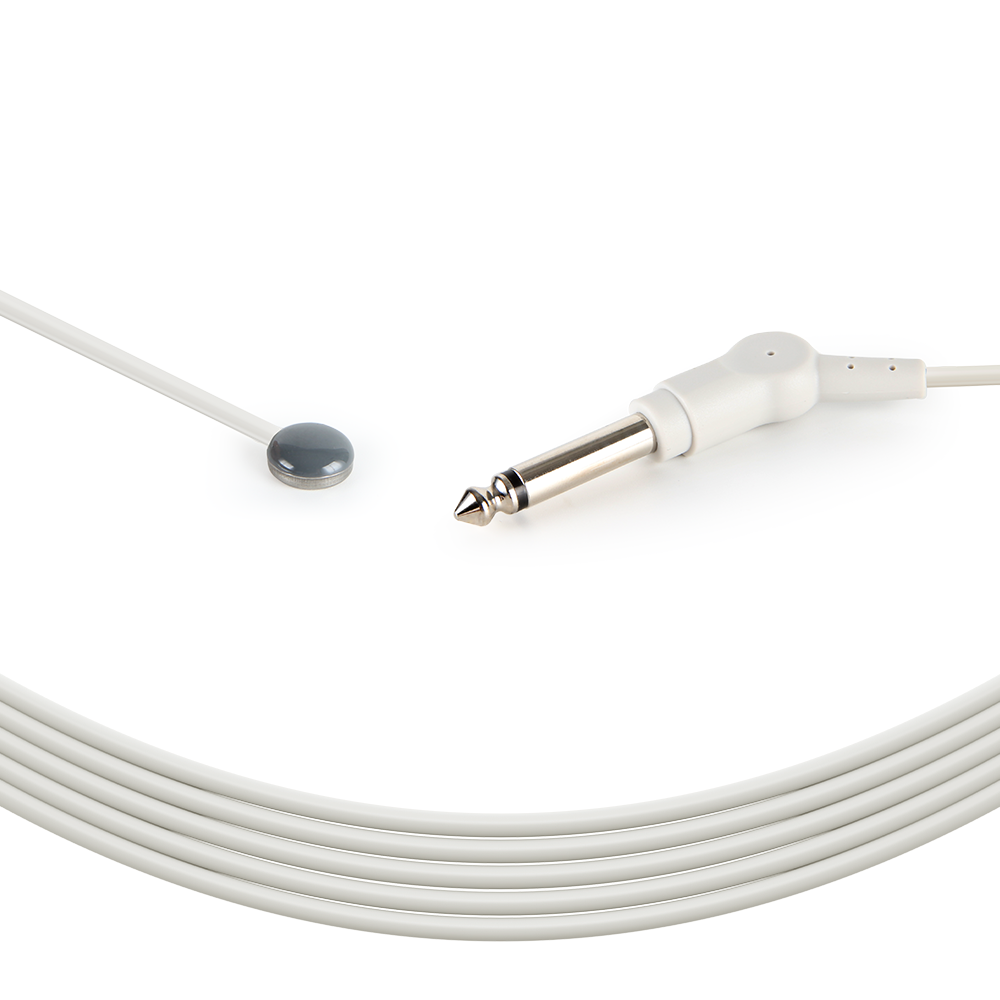
The Critical Role of Temperature Probe Accuracy in Patient Care
The role of accurate temperature measurement in patient diagnosis and monitoring
Getting accurate temperature measurements remains essential for proper patient diagnosis and ongoing health monitoring. Doctors and nurses rely heavily on reliable readings from medical temperature sensors when checking for fevers, following up after surgeries, and seeing how treatments are working. Research published last year showed something interesting too. When temperatures varied by just half a degree Celsius or more, doctors changed their treatment plans in about one out of every five critical care situations. For patients with weakened immune systems or those receiving controlled cooling therapy, even tiny shifts in body temperature can make all the difference in recovery. Problems often come from outside influences like electrical interference around hospital equipment or simply placing the sensor incorrectly. These issues account for roughly 40% of all inaccurate readings. That's why top hospitals have started implementing strict guidelines about where to position temperature probes and how to protect them from external disruptions during monitoring.
Consequences of inaccurate readings: misdiagnosis, treatment delays, and regulatory risks
When temperature readings are off, the consequences can be really bad for both patients and hospital operations. Medical units that don't calibrate their temperature probes properly see about a quarter more misdiagnoses according to research from the Ponemon Institute back in 2023. Getting false normal temperature readings actually delays treatment in ERs by around 4 hours and 40 minutes on average, which means worse results for patients and higher legal risks for hospitals. Looking at regulations, faulty temperature probes were responsible for roughly 14 out of every 100 medical device recalls last year per FDA records. Hospitals that fall short on ISO 13485 documentation requirements end up paying around $740k extra for compliance issues. Because of these problems, big hospital systems across the country have started implementing daily checks on temperature accuracy and special training programs for staff who handle thermal monitoring equipment.
Common Causes of Inaccuracy in Temperature Probe Measurements
Environmental Interference and Sensor Drift in Temperature Probe Performance
More than two thirds of all clinical measurement mistakes actually come down to environmental issues like changes in humidity levels and electromagnetic interference (EMI) according to recent thermal studies from 2024 looking at medical equipment. When these things happen they mess up the electrical signals and make it harder for sensors to get proper contact with the skin surface. Take air conditioning drafts for example they can trick thermometers into thinking someone's skin is cooler than it really is by anywhere between 0.3 to 0.7 degrees Celsius. And when probes don't stick properly to the skin, that creates what engineers call thermal resistance which throws off readings too. Another problem comes from sensor drift over time. Some temperature probes lose about half a degree Celsius accuracy each year just from being used continuously without maintenance checks.
Probe Placement Variability and Patient-Specific Physiological Factors
Three key placement challenges impact consistency: subcutaneous fat layers (⇥20 mm) slowing heat transfer, vascular abnormalities affecting local perfusion, and movement artifacts in uncooperative patients. In neonatal axillary measurements, limb angle variations of just 15° can produce discrepancies of 0.2°C, highlighting the sensitivity of readings to positioning.
Material Degradation and Aging Effects on Long-Term Measurement Accuracy
Repeated sterilization accelerates wear: oxidation in copper-nickel thermocouples reduces thermal response speed by 40% after 5,000 cycles. Polymer coatings erode at a rate of 0.02 mm/year in clinical settings, increasing contamination risk. Calibration records show that 23% of hospital probes exceed recommended performance limits within 18 months of deployment.
Calibration and Maintenance Best Practices for Reliable Temperature Probes
Regular Calibration of Temperature Probes Using Traceable Reference Standards
NIST-traceable calibration reduces measurement drift by 87% compared to non-certified methods (2024 Clinical Device Accuracy Report). Establish quarterly calibration using ice-point baths (0°C) and dry-block calibrators across physiological ranges (35–42°C) to maintain ±0.1°C accuracy. Probes calibrated against certified standards demonstrate 98% consistency over 12-month periods.
Scheduled Maintenance Protocols to Detect Early Signs of Sensor Failure
Adopt predictive maintenance strategies: monitor baseline resistance shifts beyond ±5%, which signal thermistor degradation; track response time delays exceeding 0.5 seconds during immersion tests; and analyze historical drift patterns to prioritize replacements. Automated monitoring systems detect anomalies 23% faster than manual checks (Journal of Biomedical Instrumentation, 2023), reducing false-negative fever detection by 34%.
Best Practices for Cleaning and Handling to Preserve Probe Integrity
Ethanol-based wipes reduce biofilm contamination by 91% compared to soap and water (Infection Control Today, 2024). Store probes in anti-static sheaths at 15–25°C to prevent material fatigue. Documenting handling procedures improves success rates in FDA audits related to device longevity claims.
Ensuring Compliance with Medical Standards and Regulatory Requirements
Aligning Calibration Procedures With NIST-Traceable Standards for Temperature Probes
Getting accurate temperature readings starts with proper calibration that meets metrological standards. When medical thermometers aren't calibrated regularly, they tend to drift about plus or minus 0.15 degrees Celsius each year. This kind of drift can lead doctors to make wrong calls about whether someone has a fever or hypothermia. Major hospital chains insist on calibrating their equipment against NIST traceable standards every three months through systems certified under ISO/IEC 17025 standards. Keeping the margin of error under 0.1 degree Celsius is actually what separates reliable measurements from those that might compromise patient safety in intensive care units where small differences matter a lot.
Meeting FDA and ISO 13485 Requirements for Medical Device Accuracy and Documentation
Getting compliant really depends on having all the right paperwork about how devices actually perform. The FDA's 510(k) rules plus ISO 13485:2016 require testing throughout the whole temperature range, which goes from -20 degrees Celsius up to 50 degrees. There's also this thing called biocompatibility testing according to ISO 10993-1 standards, and manufacturers need complete records tracking everything from where they got their raw materials all the way through to those final calibration certificates. Companies that switched to these automated compliance systems saw a pretty big drop in documentation mistakes during last year's clinical audits, around 63 percent fewer errors overall.
Internal Audit Frameworks to Ensure Ongoing Compliance With Regulatory Requirements
Regular internal audits are really important for staying ready when regulators come knocking. Top performing organizations have several key practices in place. They run checks every three months comparing main instruments against backup ones. Many also use SPC charts to keep an eye on how calibrations change over time. Staff members get certified twice a year following the latest ASTM E1965-22 guidelines too. All these different layers of quality control work together to keep problems under 0.5% occurrence rate, something that holds true even when facing strict FDA inspections. Maintaining such low error levels isn't just good practice it's actually required to keep operating licenses valid and ensure continued funding from insurance providers.
Emerging Innovations: Smart Temperature Probes and Future Accuracy Solutions
Embedded Microprocessors Enabling Real-Time Calibration Checks in Temperature Probe Systems
Modern probes now feature embedded microprocessors that perform automatic calibration checks 240 times daily. By comparing readings against internal reference standards, these systems maintain alignment within ±0.1°C of ISO 13485 requirements without interrupting patient monitoring.
Wireless Data Logging and Cloud-Based Analytics for Predictive Maintenance
Wireless-enabled probes integrated with cloud analytics reduce unplanned calibration events by 63%. Machine learning models analyze performance history to predict sensor drift up to 72 hours before thresholds are breached, allowing proactive maintenance during low-usage periods.
Adoption of AI-Driven Anomaly Detection to Flag Inaccurate Measurements
Neural networks trained on 15 million clinical datasets identify abnormal probe readings with 98.7% precision. This AI capability detects subtle shifts caused by aging components or incorrect placement, triggering alerts before flawed data influences critical care decisions.
Frequently Asked Questions (FAQ)
Why is temperature probe accuracy crucial in patient care?
Temperature probe accuracy is vital because it affects diagnosis, treatment decisions, and patient recovery. Accurate readings help determine if a patient has a fever, which, in turn, informs the appropriate treatment plan.
What causes inaccuracies in temperature probe measurements?
Inaccuracies are often caused by environmental interference like electromagnetic interference, sensor drift, probe placement variability, and material degradation over time.
How can hospitals ensure compliance with regulatory standards?
Hospitals can ensure compliance by aligning calibration procedures with NIST-traceable standards, meeting FDA and ISO 13485 requirements, and conducting regular internal audits to stay prepared for inspections.
What innovations are improving temperature probe accuracy?
Innovations include embedded microprocessors for real-time calibration checks, wireless data logging, cloud analytics for predictive maintenance, and AI-driven anomaly detection systems.
Table of Contents
- The Critical Role of Temperature Probe Accuracy in Patient Care
- Common Causes of Inaccuracy in Temperature Probe Measurements
- Calibration and Maintenance Best Practices for Reliable Temperature Probes
- Ensuring Compliance with Medical Standards and Regulatory Requirements
- Aligning Calibration Procedures With NIST-Traceable Standards for Temperature Probes
- Meeting FDA and ISO 13485 Requirements for Medical Device Accuracy and Documentation
- Internal Audit Frameworks to Ensure Ongoing Compliance With Regulatory Requirements
- Emerging Innovations: Smart Temperature Probes and Future Accuracy Solutions
- Frequently Asked Questions (FAQ)