 EN
EN


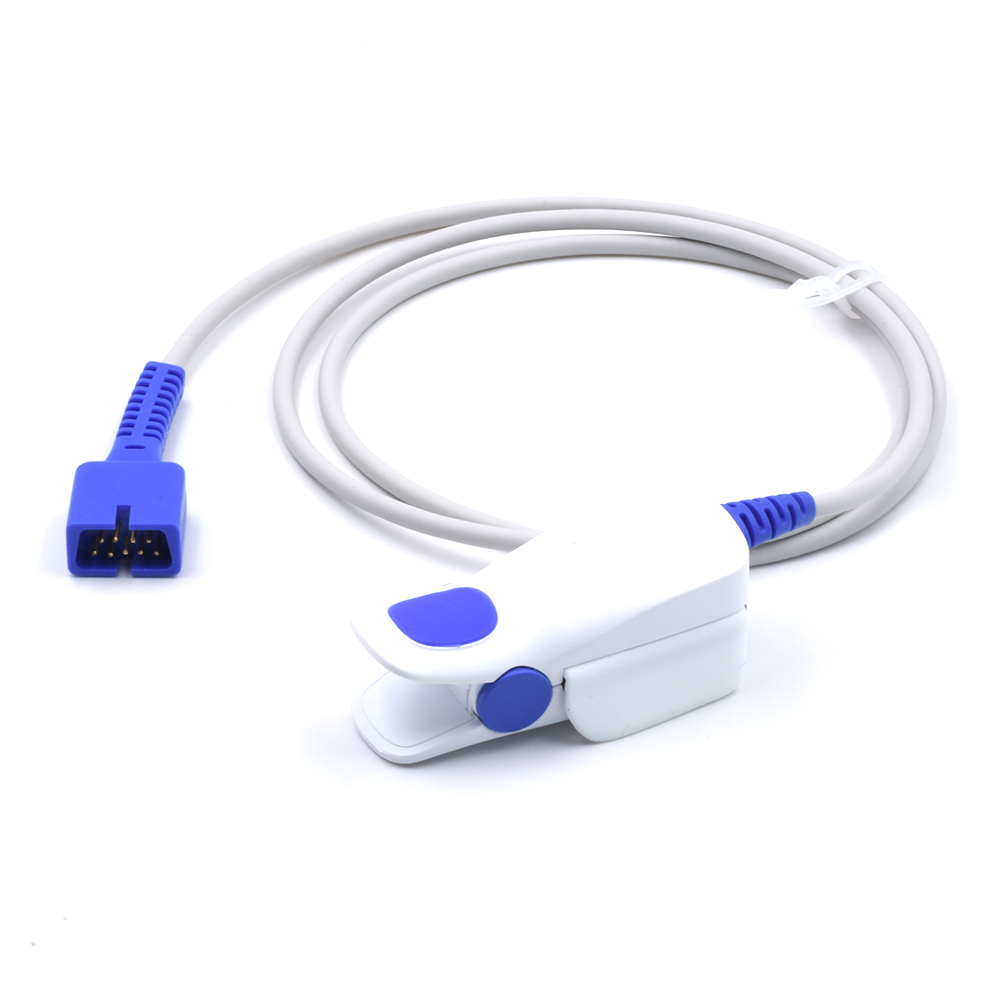
How SpO2 Sensors Measure Blood Oxygen Saturation
The Science Behind Pulse Oximetry and Light Absorption
SpO2 sensors work by checking how much oxygen is in the blood based on how different types of light pass through our bodies. The device sends out two kinds of light waves, one red at 660 nanometers and another infrared at 940 nanometers, right through parts of the body where skin is thin enough, such as fingers. When looking at what happens next, we find that when hemoglobin has plenty of oxygen attached, it tends to soak up more of that infrared light. But if there's not enough oxygen around, then those same molecules actually absorb more of the red light instead. Sensors figure out the SpO2 reading by comparing just how much each type gets absorbed, giving us a number usually above 95 percent for someone who's breathing fine. What makes all this possible? Well, doctors have been studying how blood cells react to various lights for many years now, and their findings back up this whole approach in lots of medical journals too.
Role of Red and Infrared Light in Determining SpO2 Levels
Dual wavelength systems tackle one of the big problems in medical monitoring figuring out whether blood is carrying oxygen or not. The science behind it works like this infrared light goes deeper into blood that's rich in oxygen, whereas blood without much oxygen tends to soak up more red light instead. Newer pulse oximeters have gotten pretty smart about this they can actually tweak how bright the lights are depending on how thick someone's fingers are, which makes these devices work better for people with different sized hands and various skin tones. After lots of testing in clinics and hospitals, these optical methods have shown pretty good results too, typically staying within about 2% error margin when everything is set up properly in lab settings.
Signal Processing and Algorithms in Digital Pulse Oximeters
Raw optical data undergoes three-stage processing:
- Noise filtration removes artifacts from movement or ambient light
- Pulse detection isolates arterial blood flow patterns from venous/background signals
- Ratio-to-SpO2 conversion uses empirically derived calibration curves
Advanced devices incorporate machine learning to recognize irregular waveforms caused by poor perfusion or arrhythmias. Clinical-grade sensors sample data at 120 Hz, enabling real-time adjustments during rapid oxygen saturation changes.
Physiological and User-Related Factors Affecting SpO2 Sensor Accuracy
Impact of Skin Pigmentation and Racial Disparities in SpO2 Readings
The amount of pigment in someone's skin can actually affect how well those little finger clip sensors work for measuring blood oxygen levels. This happens because melanin interacts differently with the red and infrared lights used inside these devices. Recent research published in JAMA back in 2023 showed something pretty concerning - when people have darker skin tones, these pulse oximeters tend to give falsely high readings during times when oxygen levels drop. The Food and Drug Administration looked into this issue around the same time and came to similar conclusions. As a result, companies making these medical devices now face new rules about calibrating their equipment properly. This is important stuff since accurate readings matter a lot in healthcare settings where quick decisions need to be made based on reliable data.
Effects of Poor Circulation, Cold Extremities, and Motion Artifacts
Reduced peripheral perfusion—common in hypothermia or cardiovascular conditions—degrades signal quality when the perfusion index drops below 0.2%. Motion artifacts during patient movement can introduce significant error spikes, as shown in clinical trials. For optimal accuracy:
- Warm extremities to ≥32°C before measurement
- Use motion-tolerant sensors in active patients
- Position probes away from joint flexion points
Interference from Nail Polish, Artificial Nails, and Tremors
| Interference Source | Impact on SpO2 Accuracy | Solution |
|---|---|---|
| Black/blue nail polish | Absorbs 660nm light → up to 6% underestimation | Remove polish or use toe sensor |
| Acrylic nails | Light scattering → unstable waveform | Test earlobe or forehead |
| Hand tremors | Increases signal noise by 40% | Use wrist-stabilized sensors |
A 2022 University of Michigan study found pulse oximeter errors exceeding 4% in 12% of patients wearing dark nail polish. For patients with Parkinson's or essential tremors, newer inertial measurement units (IMUs) in sensors reduce motion artifacts by 62% compared to conventional models.
Best Practices for SpO2 Sensor Placement and Usage
Optimal Placement Techniques on Fingers and Alternative Sites
Getting sensors placed correctly starts with picking the right finger, usually the index or middle one, as long as there's good blood flow and no weird nail issues. The device needs to sit properly so those little lights line up with the nail bed area, not too tight but definitely secure enough to stay put. When dealing with folks who have chilly hands or circulation problems, sometimes moving the sensor to an earlobe or forehead works better since these spots tend to have more consistent blood flow. Don't stick it on bony areas where it might dig in, and remember to switch locations every couple of hours or so to avoid skin irritation. Research indicates that bad placement can throw off readings by around 3.5% in some cases, especially if someone has dark nail polish on or really thick skin that blocks the sensor's light from getting through properly.
Following Manufacturer Guidelines for Reliable Measurements
Following manufacturer guidelines helps maintain reliable results regardless of skin color or specific clinical situations. Moving sensors around approximately every four hours keeps tissues from getting compressed, which can mess up readings. Limiting constant monitoring also cuts down on skin irritation problems. Make sure cables run properly along the back of the hand to reduce movement issues during readings, and check if sensors work well when placed elsewhere such as on newborn wrists or adult toes where needed. Medical staff who stick to these established placement rules tend to see about 23 percent fewer false alarms when dealing with patients whose blood flow is weak, compared to those who just place sensors wherever they think makes sense at the moment. Don't forget to adjust device settings based on each person's unique profile, taking into account things like how well their blood flows through extremities and how much background lighting might affect measurements.
Clinical Validation and Regulatory Standards for SpO2 Sensors
FDA and International Accuracy Requirements for Pulse Oximeters
The FDA and other regulatory agencies have set strict requirements for SpO2 sensors, asking them to show no more than 3% mean absolute error when measuring oxygen levels between 70% and 100% saturation. Back in 2023, the FDA issued a safety alert calling for tougher tests following research that found nearly three times as many errors in people with darker skin tones. Around the world, there are international standards like ISO 80601-2-61 that demand manufacturers test their devices on at minimum ten individuals covering every Fitzpatrick skin type category. These tests need to prove the equipment stays within plus or minus 2% accuracy under actual usage scenarios, not just lab conditions.
Clinical Trial Data: Mean Absolute Error Across Diverse Populations
A 2022 NEJM analysis of 7,000 patients found pulse oximeters overestimated blood oxygen levels by 1.8% in White patients versus 4.2% in Black patients during hypoxic events (SpO2 <85%). Updated sensors using multi-wavelength LED arrays reduced this disparity to 1.2% across races in 2024 JAMA trials. Manufacturers must now publish MAE metrics for:
- Low-perfusion states (<0.2% PI)
- Motion artifacts (up to 3 Hz vibrations)
- Multiple skin tones (Fitzpatrick IV-VI)
Addressing Racial Bias in SpO2 Sensor Algorithms
The 2023 EQUATE Act requires all new SpO2 sensors to be trained on datasets with ≥35% participants of color, correcting historical underrepresentation in medical device trials. Leading manufacturers now employ:
- Spectrophotometric calibration across melanin concentrations (0–200 μg/mL)
- Adaptive algorithms that adjust for individual light absorption profiles
- In-sensor validation chips verifying accuracy against Clark electrodes
A 2024 validation study of updated sensors showed 98.6% consensus with arterial blood gas measurements across all skin types, reducing false-normal readings during critical hypoxic events by 41%. The FDA now mandates ongoing post-market surveillance to monitor real-world performance in diverse clinical settings.
Innovations Enhancing SpO2 Sensor Reliability and Remote Monitoring
Next-Gen Sensors with Adaptive Algorithms for All Skin Tones
The latest SpO2 sensors are starting to fix long-standing issues with inaccurate readings on darker skin tones. Newer devices actually look at how melanin affects light absorption patterns through what's called dual wavelength calibration. This approach cuts down on racial gaps in oxygen saturation measurements by roughly two thirds when compared to older models according to research from Cabanas and colleagues last year. Clinical tests in 2024 showed these updated sensors hit about 98.2% accuracy for people with Fitzpatrick skin types IV through VI even when blood flow was low. Most manufacturers have started including real time indicators that tell users whether their readings are trustworthy or not, which makes a big difference in actual practice settings where quick decisions matter.
Motion Compensation and Perfusion Index Integration
Advanced signal processing combats motion artifacts through three key innovations:
- Triaxial accelerometers that detect and subtract movement-induced noise from PPG signals
- Perfusion index thresholds ensuring measurements only occur when blood flow exceeds 0.5%
- Machine learning filters trained on 100,000+ clinical waveforms to recognize valid pulse patterns
These upgrades enable 94% measurement accuracy during moderate physical activity, compared to 72% in legacy devices. Recent advancements in telemedicine integration allow continuous remote monitoring with <2-second latency, critical for post-surgical and chronic respiratory patients.
FAQ
What is SpO2?
SpO2 stands for peripheral capillary oxygen saturation. It estimates the percentage of oxygenated hemoglobin in the blood.
How does a pulse oximeter work?
It uses red and infrared light to measure light absorption, determining oxygen saturation in the blood.
Can skin color affect SpO2 readings?
Yes, skin pigmentation can impact the accuracy of SpO2 readings.
What are the FDA standards for SpO2 sensors?
The FDA requires a mean absolute error of no more than 3% for oxygen saturation levels between 70% and 100%.