 EN
EN


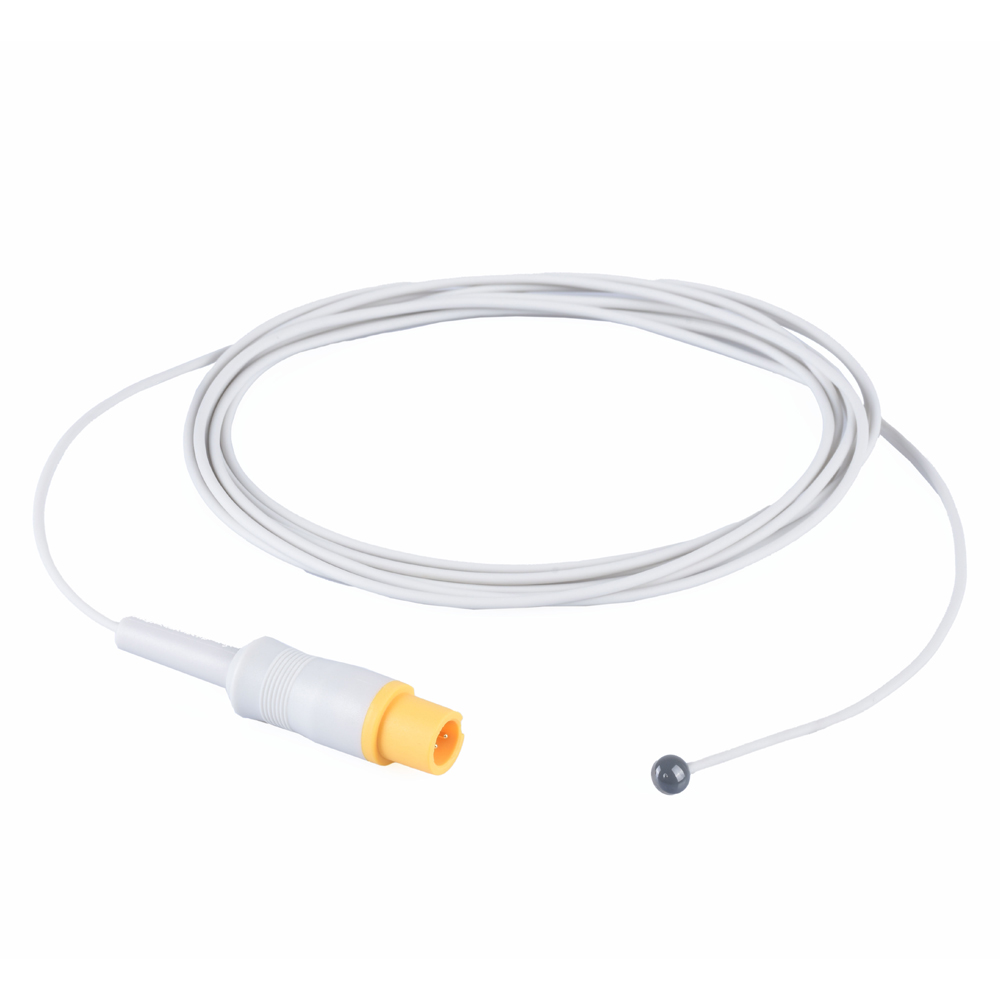
Surface, Oral, Rectal, Tympanic, and Esophageal Probes: Key Differences
Medical temperature probes fall into five primary categories, each optimized for specific clinical scenarios:
- Surface probes measure skin temperature through adhesive pads, ideal for continuous neonatal monitoring
- Oral probes provide sublingual readings but require patient cooperation, limiting use in young children
- Rectal probes offer gold-standard accuracy (±0.1°C) for critical care but pose infection risks
- Tympanic probes use infrared ear measurements, balancing speed (2–5 seconds) and comfort
- Esophageal probes monitor core temperature during surgical procedures with <0.05°C/minute drift
A 2023 FDA guidance notes esophageal probes maintain ±0.2°C accuracy during 8-hour surgeries, outperforming other invasive methods.
Accuracy of Temperature Measurements by Site: Rectal vs. Oral vs. Axillary vs. Forehead vs. Ear
Clinical studies reveal significant accuracy variations across measurement sites:
| Site | Mean Deviation from Core Temp | Best Use Case |
|---|---|---|
| Rectal | ±0.1°C | ICU, neonatal |
| Esophageal | ±0.15°C | Anesthesia monitoring |
| Tympanic | ±0.3°C | Pediatric emergency |
| Oral | ±0.5°C | Adult outpatient |
| Axillary | ±0.8°C | Routine screenings |
The American Academy of Pediatrics (2023) recommends rectal measurements for infants <3 months due to 92% diagnostic reliability versus 67% for forehead probes.
Case Study: Neonatal Care and the Use of Rectal and Skin Surface Probes
A 2022 Journal of Neonatal Nursing analysis of 1,200 preterm infants found:
- Rectal probes detected hypothermia (<36.5°C) 18 minutes faster than skin sensors
- Adhesive surface probes reduced skin breakdown incidents by 73% versus traditional methods
- Hybrid protocols using both probe types lowered NICU readmission rates by 41%
However, 68% of nurses reported challenges maintaining rectal probe placement in infants <2 kg, highlighting design limitations.
Trend: Shift Toward Non-Invasive and Remote Temperature Monitoring in Pediatrics
Over 54% of U.S. children’s hospitals now prioritize infrared tympanic or disposable skin probes over rectal methods, per a 2023 Pediatrics Today survey. Key drivers include:
- 83% reduction in procedural distress scores for toddlers
- 79% faster screening times in ER triage
- 40% lower cross-infection rates with single-use probes
Emerging technologies like wireless patch probes (accuracy ±0.2°C, 72-hour wear time) accounted for 22% of pediatric temperature monitoring purchases in 2024.
Key Selection Criteria for Reliable Medical Temperature Probe Performance
Accuracy, Response Time, and Durability: Core Performance Metrics for Any Temperature Probe
Rectal measurements maintain ±0.1°C precision, while forehead probes may deviate by ±0.3°C in controlled trials. Response time is critical—esophageal probes deliver readings in 2–5 seconds compared to 15–30 seconds for oral models. High-durability probes withstand 500+ sterilization cycles without sensor degradation, making them essential in surgical ICUs and burn units.
Ease of Use and Compatibility with Monitoring Systems in Clinical Settings
Color-coded connectors and automatic calibration reduce setup errors by 42% in fast-paced environments. Universal DIN connectors ensure compatibility with 90% of hospital-grade monitors, while Bluetooth-enabled probes cut cable-related infections by 18% in pediatric wards.
Cost Considerations and Lifecycle Management of Reusable vs. Disposable Probes
| Factor | Reusable Probes | Disposable Probes |
|---|---|---|
| Initial Cost | $300–$800 | $15–$40 per unit |
| Infection Risk | 0.8% per sterilization | <0.1% |
| Annual Cost (300 uses) | $1,100 | $4,500 |
| Environmental Impact | 2.3 kg waste/year | 18 kg waste/year |
Hospitals reduce supply costs by 67% when using reusable probes for long-term monitoring (>72 hours), while disposable variants are safer for immunocompromised patients.
Working Environment Challenges: Exposure to Liquids, Sterilization, and Extreme Conditions
IP68-rated probes remain functional after 30-minute submersion in disinfectants—essential for endoscopy suites. Autoclave-safe materials (tested up to 134°C) prevent warping during sterilization, and flexible silicone probes operate reliably in -20°C to 60°C environments such as neonatal transport incubators.
Matching Temperature Probe Types to Patient Needs and Clinical Environments
Age-Based Guidelines: Appropriate Thermometer Use for Infants, Children, and Adults
For babies younger than three months old, rectal temperature checks are still considered the most reliable method because they give stable readings. When kids turn one year old or older, doctors usually recommend using ear thermometers instead since these cause less discomfort during testing. Most adults go with either mouth or forehead artery thermometers, although armpit measurements work fine enough for basic health checks when nothing serious seems wrong. Pediatric organizations warn that forehead IR thermometers aren't suitable for newborns at all. The problem? Small changes in room temperature can throw off those readings by half a degree Celsius or more when compared directly to what a rectal thermometer would show according to American Academy of Pediatrics guidelines from 2022.
Home Use vs. Hospital Settings: Design and Safety Requirements for Temperature Probes
In home healthcare settings, disposable probes have really taken over because they come with single use adhesives and don't need batteries, making them much easier to maintain and helping prevent cross contamination between patients. For hospitals though, there are special reusable probes like those used for esophageal monitoring or bladder temperature checks. These medical grade devices can actually survive hundreds of sterilization cycles, sometimes over 500 times, while still keeping their temperature readings accurate within just 0.1 degrees Celsius. And when it comes to critical care areas where things get messy with bodily fluids all the time, these hospital probes need extra protection against water damage. That's why they're rated at least IP67 or better so they can handle both accidental spills and regular cleaning procedures without failing.
Strategy: Tailoring Probe Choice to Baby Care, Geriatric Monitoring, and Critical Care Units
More and more neonatal intensive care units are starting to use these continuous skin surface probes made with really soft silicone adhesive material. Studies from JAMA Pediatrics back in 2021 showed these devices match core temperature readings about 98.3% of the time when caring for premature babies. Meanwhile in geriatric departments, staff often use ear canal thermometers for quick checks while dementia patients who don't like things stuck inside them get monitored through armpit wearables instead. When it comes to critical care during operations, doctors turn to either esophageal or pulmonary artery temperature probes because even tiny changes matter so much. Getting within just 0.02 degrees Celsius can make all the difference in managing cases where cooling down the body is part of treatment or spotting dangerous infections early on.
Probe Selection for Regulated Medical Environments: Compliance and Calibration Needs
Probes that have received FDA clearance need regular checks every three months according to the ANSI/AAMI EC12 guidelines. The documentation shows they work properly if their readings don't vary by more than 0.15 degrees Celsius when tested between minus 20 degrees and 50 degrees. For equipment used in intensive care units, getting ISO 80601-2-56 certification isn't optional it's required. These certified devices must handle radio frequency interference at levels up to 10 volts per meter and withstand static electricity shocks as strong as 5,000 volts. Hospitals and clinics working with wireless temperature sensors ought to make sure all data moving through their systems stays protected. That means setting up full data encryption that meets HIPAA Safe Harbor rules so sensitive temperature information remains secure during transmission across networks.
FAQ
What are the key types of medical temperature probes?
The key types include surface probes, oral probes, rectal probes, tympanic probes, and esophageal probes, each optimized for different clinical scenarios.
Which temperature measurement site offers the most accurate readings?
Rectal measurements are considered the gold standard for accuracy, typically deviating only by ±0.1°C from core temperatures.
Why are disposable probes popular in home healthcare settings?
Disposable probes are easier to maintain and help prevent cross-contamination between patients, making them ideal for home healthcare settings.
What are the cost considerations for reusable vs. disposable probes?
Reusable probes are more cost-effective for long-term monitoring, whereas disposable probes have a lower infection risk and are safer for immunocompromised patients.
Table of Contents
- Surface, Oral, Rectal, Tympanic, and Esophageal Probes: Key Differences
- Accuracy of Temperature Measurements by Site: Rectal vs. Oral vs. Axillary vs. Forehead vs. Ear
- Case Study: Neonatal Care and the Use of Rectal and Skin Surface Probes
- Trend: Shift Toward Non-Invasive and Remote Temperature Monitoring in Pediatrics
-
Key Selection Criteria for Reliable Medical Temperature Probe Performance
- Accuracy, Response Time, and Durability: Core Performance Metrics for Any Temperature Probe
- Ease of Use and Compatibility with Monitoring Systems in Clinical Settings
- Cost Considerations and Lifecycle Management of Reusable vs. Disposable Probes
- Working Environment Challenges: Exposure to Liquids, Sterilization, and Extreme Conditions
-
Matching Temperature Probe Types to Patient Needs and Clinical Environments
- Age-Based Guidelines: Appropriate Thermometer Use for Infants, Children, and Adults
- Home Use vs. Hospital Settings: Design and Safety Requirements for Temperature Probes
- Strategy: Tailoring Probe Choice to Baby Care, Geriatric Monitoring, and Critical Care Units
- Probe Selection for Regulated Medical Environments: Compliance and Calibration Needs
- FAQ