 EN
EN


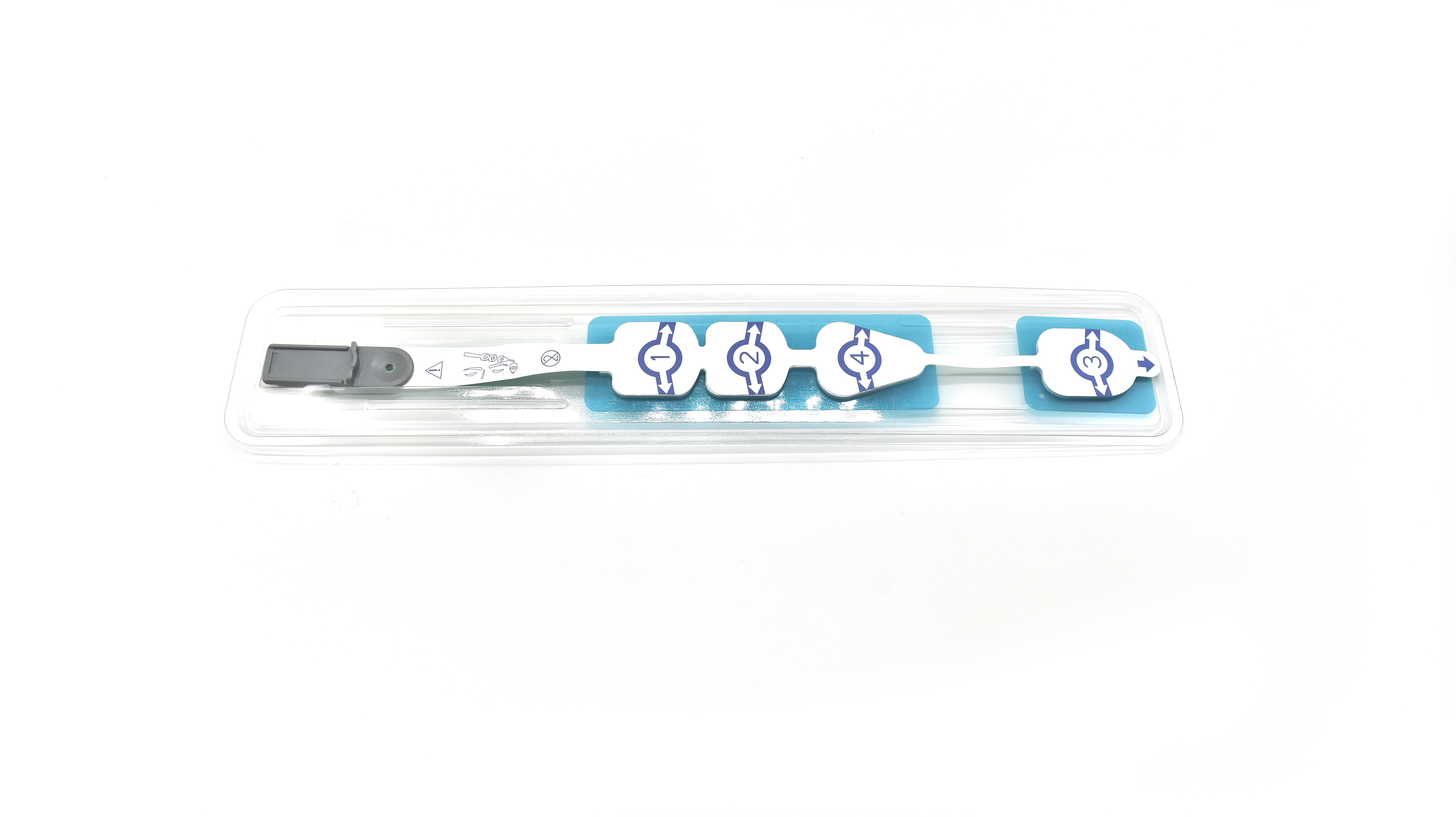
Premium Material Construction in BIS Cables
Medical-Grade Polymers for Biocompatibility
BIS cables are crafted using medical-grade polymers, ensuring a high level of biocompatibility. This feature significantly reduces the risk of adverse reactions when these cables come into contact with patients. Such materials are not only safe but also meet stringent regulatory requirements for use in healthcare settings. By employing these advanced polymers, BIS cables offer reliability and safety, making them ideal for sensitive medical applications where patient contact is inevitable.
Oxygen-Free Copper Conductors for Signal Purity
The integrity of medical diagnostics can be enhanced significantly with the use of oxygen-free copper conductors in BIS cables. This type of copper minimizes signal loss and facilitates high-fidelity signal transmission, which is crucial in medical devices. For instance, studies have indicated that oxygen-free copper offers improved performance for EKG cables, which is essential in delivering accurate diagnostic data. This enhancement in signal purity ensures that medical practitioners can rely on precise readings from medical devices.
Compatibility with EEG Electrodes and NIBP Cuffs
BIS cables are expertly designed to integrate seamlessly with EEG electrodes, ensuring dependable electrical connections for precise monitoring of brain activity. This compatibility extends to non-invasive blood pressure (NIBP) cuffs, which highlights the versatility of BIS cables across various medical applications. By accommodating such diverse medical devices, BIS cables provide clinicians with flexible solutions that maintain high standards of accuracy and reliability in patient monitoring.
Advanced Shielding for Medical Accuracy
Triple-Layer EMI/RFI Protection
BIS cables are equipped with a triple-layer shielding mechanism that excels in providing exceptional protection against Electromagnetic Interference (EMI) and Radio Frequency Interference (RFI). This advanced shielding is crucial for maintaining signal integrity in environments where electronic equipment is prevalent. Without this protection, signals can become distorted, leading to unreliable data and potentially compromising patient care. By employing such robust shielding, BIS cables ensure reliable performance, which is indispensable in medical settings filled with electronic devices.
Noise Reduction in EKG Signal Transmission
The design of BIS cables incorporates specialized features that significantly reduce noise during EKG signal transmission. This noise reduction is vital for enhancing the clarity of heart rhythm monitoring, which can greatly improve diagnosis and patient outcomes. Research indicates that effective noise reduction in EKG connections not only enhances signal quality but also boosts diagnostic accuracy. By providing clearer and more precise signals, healthcare professionals can make better-informed decisions regarding patient care.
Interference Mitigation Near Oxygen Sensors
BIS cables are meticulously engineered to mitigate interference when used near oxygen sensors, ensuring accurate respiratory monitoring. This interference reduction is achieved through high-quality materials and advanced shielding techniques, which protect sensitive sensors from fluctuations caused by stray signals. Such interference mitigation is essential for maintaining the accuracy of respiratory data, which is critical for patient monitoring and treatment. By safeguarding these delicate oxygen sensors, BIS cables contribute to reliable and precise respiratory measurements that are essential in medical diagnostics and care.
-
Products for Enhanced Medical Monitoring:
- Oxygen Sensor
- EEG Electrodes
- NIBP Cuff
- EKG Cable
- Non-invasive Blood Pressure Cuff
Durability for Clinical Environments
Chemical-Resistant Jacket Materials
The jackets of BIS cables are crafted from chemical-resistant materials, ensuring they endure exposure to cleaning agents and disinfectants prevalent in clinical settings. This robust design guarantees durability, minimizing the need for replacements and aligning with cost-saving strategies over time. By resisting chemical wear, BIS cables maintain their effectiveness in demanding environments, bolstering their reputation for reliability and longevity.
Reinforced Strain Relief at Connection Points
BIS cables incorporate reinforced strain relief features at connection points, which significantly mitigate wear and tear leading to potential cable failure. This design is pivotal in sustaining dependable performance amidst the frequent use and movement seen in bustling clinical contexts. The emphasis on strain relief ensures these cables withstand the rigorous conditions typical of medical facilities, maintaining connectivity across various applications.
Autoclavable Design for Repeated Sterilization
The autoclavable design of BIS cables allows for repeated sterilization without compromising material integrity. This feature is crucial in reducing infection risks during surgeries and other medical applications. As clinical environments demand sterilized equipment, BIS cables provide assurance by enabling consistent sterilization processes while safeguarding their structural and functional properties, adhering to stringent health and safety standards.
Compliance and Safety Standards
BIS Certification Requirements
BIS cables are subjected to strict certification requirements set by the Bureau of Indian Standards (BIS), ensuring they meet high-quality and safety benchmarks for medical use. These standards are critical as BIS certification signifies that cables have undergone comprehensive testing and validation, confirming their suitability for use in crucial medical applications. This process not only reinforces the quality assurance of BIS cables but also acts as a testament to their reliability and safety in sensitive healthcare settings where patient well-being is a priority.
ISO 13485 Medical Device Compliance
Adherence to ISO 13485 standards is another important quality marker for BIS cables, indicating that they comply with international quality management systems for medical devices. By aligning with these rigorous standards, manufacturers demonstrate their dedication to maintaining consistent quality, continuous improvement, and effective risk management, which are all crucial in the health sector. ISO 13485 compliance ensures that BIS cables are not only safe but also optimized for performance, thus enhancing healthcare delivery.
Non-Invasive Blood Pressure Cuff Compatibility
The design of BIS cables ensures they are compatible with non-invasive blood pressure cuffs, facilitating seamless integration into existing medical equipment setups. This compatibility is essential for unobtrusive patient monitoring, allowing for accurate readings without disruption during medical examinations or treatments. By supporting this vital feature, BIS cables enhance the functionality of healthcare devices, further contributing to improved patient care and operational efficiency across various clinical environments.
Ergonomic Design Features
Flexible Coiling for Equipment Integration
Flexible coiling of BIS cables allows for seamless integration with various medical equipment, facilitating an efficient workflow in clinical settings. This innovative design significantly reduces the risk of tangling and enhances mobility, crucial elements in fast-paced healthcare environments. Whether it's connecting to EEG electrodes or integrating with an oxygen sensor, the flexibility ensures that medical professionals can easily maneuver and position devices without disruption. The flexibility thus supports greater efficiency and patient safety during procedures.
Color-Coded Connectors for Rapid Setup
Color-coded connectors simplify the setup process, enabling healthcare professionals to quickly identify and connect necessary cables with ease. This user-friendly feature significantly cuts down on the time spent preparing equipment, particularly valuable in critical care situations where every second is vital. For instance, when connecting NIBP cuffs, the color-coding allows staff to expedite operations without error, thereby enhancing overall operational efficiency. By facilitating rapid setup, these connectors contribute to sustained attention on patient care rather than equipment management.
Tangle-Resistant Construction for Workflow Efficiency
The design of BIS cables incorporates tangle-resistant construction, which plays a pivotal role in supporting high workflow efficiency, especially in demanding medical environments. This construction style minimizes downtime related to cable management, allowing clinicians to focus more on patient care instead of handling equipment issues. In contexts involving EKG cables or non-invasive blood pressure cuffs, reducing the hassle of tangling ensures smoother operations and better healthcare delivery. Overall, the tangle-resistant feature promotes an environment where medical staff can execute their work without unnecessary distractions.