 EN
EN


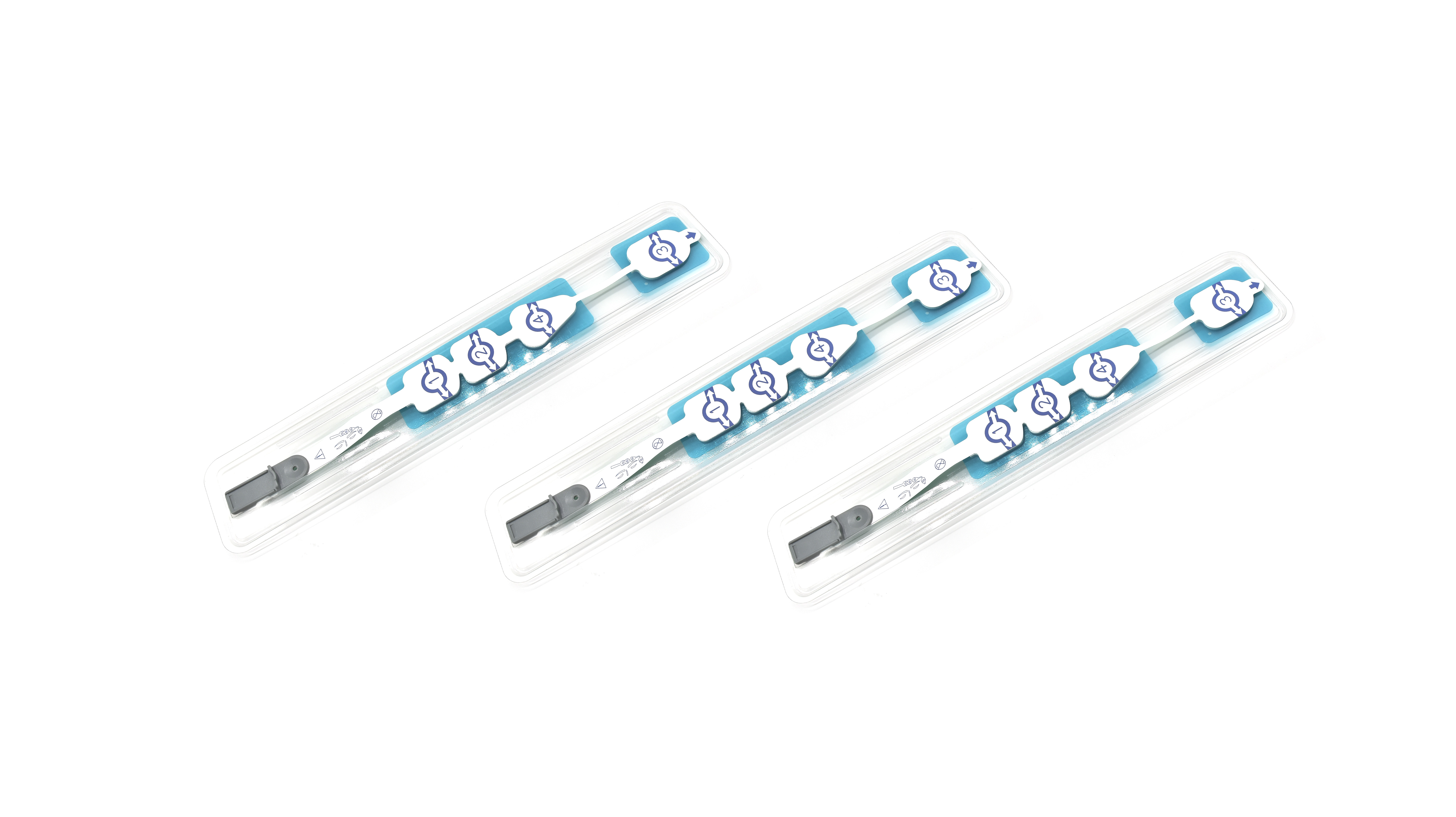
Signal Integrity in High-Performance BIS Cables
Precision Data Transmission for Critical Monitoring
High resolution BIS cables are made with a degree of precision that is required for accurate data transfer during real time monitoring in the most sensitive medical applications. These wires make use of advanced materials and state-of-the-art technology to transmit high frequency signals, which is crucial for maintaining data integrity. For example, adding durable materials to the cabling makes them low-latency -- helping to ensure that monitoring devices communicate with little-to-no delay. Clinically, the need for fidelity of the signal of interest is critical, where a wrong estimate leads to wrong diagnosis and treatment.
Shielding Against EKG/Temperature Probe Interference
High performance BIS cables require good shielding to reduce electromagnetic interference (EMI) which can interfere with the performance of EKG cables and temperature probes. These cables use a variety of layers of shielding materials to meet industry requirements for EMI and RFI reduction as well as ensuring that the data is kept clean and error free. Studies have shown that EMI may potentially cause errors in the readings, which is not safe for patients. Therefore, robust shield integration is not only crucial for signal quality but also for patient safety during medical diagnostics.
Medical-Grade Durability Requirements
Resistance to Hospital Disinfectants
The medical grade BIS cables are designed for hospital-grade disinfectants. This is really important as these cables are potentially open to being washed down repeatedly for infection control and the weaker materials would potentially degrade from this over time. BIS cables remain consistently effective even when they are frequently subjected to powerful cleaning agents, which is vital in keeping them both safe and durable for use in medical facilities. For these harsh environments, these very demanding cables play an important role in strong hygienic protection in health care.
Reinforced Strain Relief for TOCO Transducer Environments
Especially in a clinic using TOCO transducer, it is important to have a robust strain relief features in BIS cables in order to protect against damages from repeated movements. It has been demonstrated that effective strain relief leads to significantly decreased frequency of cable changes. This results in immediately lower TCO for hospitals, as cables with improved strain relief require less maintenance and last longer. By providing such protections, clinical operations become more fluid and the cables are protected and procedures are preserved.
Multi-Device Compatibility Features
Universal SpO2 Sensor Connectivity
High-quality BIS cables play a key role in enabling universal connectivity for SpO2 sensors, which is critical given the wide variety of devices found in healthcare environments. This broad compatibility leads to a much lower demand for different cable varieties which means there is no longer the need to maintain multiple types of cable stocks for medical facilities. By selecting a universal connection approach, healthcare professionals can simplify processes and enhance patient monitoring accuracy.
Cross-Platform Oxygen Sensor Integration
BIS cables are compatible with most installations as they are designed to work with every brand of oxygen sensor. This allows for a full range of monitoring needs in order to maximise patient care. It is recommended to utilize cables that accommodate different sensor types for multi-modality patient monitoring and for provision of adaptable monitoring solutions between hospitals. This enables smooth working circumstances and efficient patient care.
Adaptable Connectors for Various Monitoring Systems
Flexible connectors on high performance BIS cable allow for easy interface with a variety of monitoring systems. These connectors are well-suited to provide optimized flexibility in clinical applications through their modular attributes in making rapid adjustments during patient monitoring. That flexibility gives healthcare professionals the peace of mind that their data integrity will be preserved without interruptions. Rapid deployability of these connectors on a variety of systems highlights the role they play in enhancing medical workflow and patient care.
Safety & Regulatory Compliance
ISO 13485 Certification Standards
Quality control in medical device production Our high-performance BIS cables comply with ISO 13485 standards, guaranteeing strict quality control in medical equipment manufacturing. This certification shows conformity to internationally accepted standards, assuring the safety and efficacy of BIS cables in critical patient monitoring applications. Such standards also offer assurance to both physicians and patients for the quality and superior capability of the devices being employed.
Biocompatible Materials for Patient Contact
It is important to minimize any adverse reactions from BIS cables interacting directly with patients, thus the use of biocompatible materials is important in the design of BIS cables. This choice of material is to for-patient-safety and to guarantee full use of confidence in monitoring. Rigorous biocompatibility testing follows international standards for safety, providing confidence in the fit of the products, and promotes acceptance throughout a variety of medical institutions.
Ergonomic Design for Clinical Use
Tangle-Resistant Construction for Emergency Scenarios
The new BIS cables are ergonomically designed, with tangle-resistant construction, which is essential in an emergency where time is of the essence. This spaghetti prevention is designed to keep the cable from becoming tangled, which is important because it enables medical personnel to respond more quickly to emergencies. Tangle-free designs prove effective in increasing response time in critical care settings Abgesetzte englische Version. Such designs can be operated smoothly, which makes their use preferable in delicate medical environments.
Color-Coded BIS/EEG Cable Identification
Color-coding in BIS and EEG cables are necessary for improving workflow of clinical settings. This feature is advantageous because it facilitates the prompt identification of the cables and saves time for the nursing or medical staff as they locate and connect the correct cables. Research has demonstrated that visual cues, like color coding, may greatly reduce errors in connecting cables, and hence enhance the safety of patient monitoring results. Through the approach of making identification easier, the color-code system contributes not only to improve clinical efficiency but also to higher patient safety.
Incorporating ergonomic designs, such as tangle-resistant construction and color-coded identification, underscores our commitment to enhancing clinical functionality and patient safety.