 EN
EN


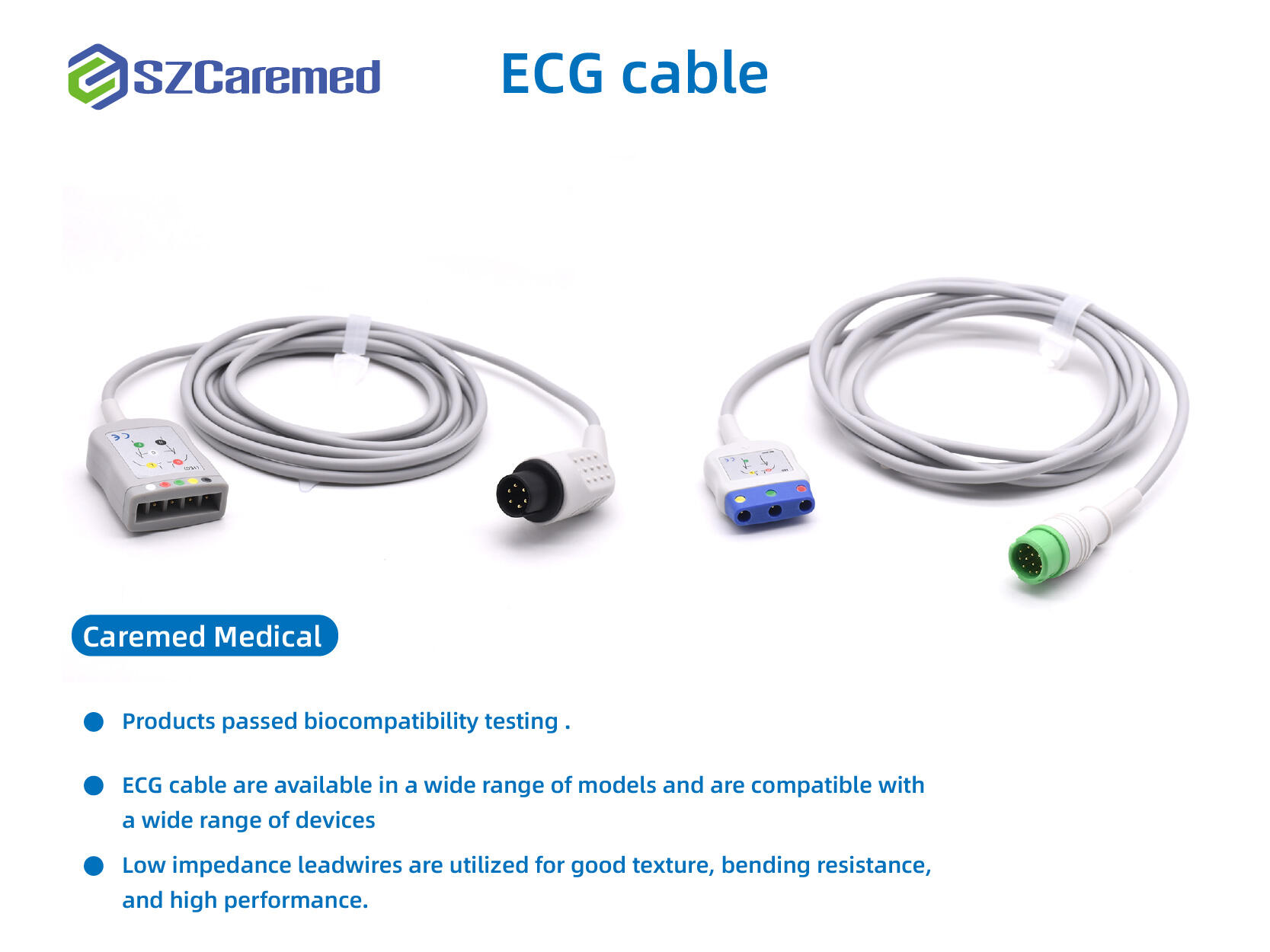
Understanding ECG Cables in Heart Monitoring Systems
Role of ECG Cables in Cardiac Diagnostics
ECG cables play a critical role in capturing and transmitting electrical signals from the heart, thereby providing essential real-time data for accurate cardiac diagnostics. They function as the essential bridge between the patient's body and the ECG machine, ensuring that the quality of data obtained is reliable and precise. High-quality ECG cables are vital as they minimize the chance of artifacts and misinterpretation of heart rhythms, significantly influencing patient outcomes. Moreover, selecting the right ECG cables improves not only diagnostic accuracy but also the ease and efficiency for healthcare professionals as they operate these systems. It is this blend of reliability and usability that underscores the vital importance of quality ECG cables in clinical settings.
How ECG Cables Work with Other Monitoring Components
ECG cables are meticulously designed to seamlessly interface with other elements of heart monitoring systems, such as monitors and lead wires. They collaborate closely with various sensors, including the oxygen sensor and SpO2 sensor, to provide a comprehensive dataset for patient monitoring. A robust understanding of how ECG cables interact with components like the temperature probe and NIBP cuff is crucial for achieving holistic patient monitoring. The effective integration of these devices allows medical practitioners to thoroughly assess and interpret the patient's cardiac health, furnishing them with a wide spectrum of data for optimal health evaluations. This interconnectedness ensures that healthcare providers have a complete view of a patient’s cardiac profile.
Key Factors in ECG Cable Selection
Compatibility with Monitoring Equipment
When selecting ECG cables, ensuring compatibility with existing monitoring equipment is crucial to maintain system integrity. Different machines may have varying requirements, thus selecting the wrong cable can lead to data transmission failures. It's advisable to consult equipment specifications or manufacturer guidelines to prevent compatibility issues. Considering future expansion of monitoring capabilities is also significant when choosing cables, ensuring versatility in your selections. This proactive approach can help avoid compatibility problems and streamline operational efficiency.
Cable Material and Durability Considerations
The material of ECG cables can significantly affect their performance, influencing factors like flexibility, durability, and patient comfort. High-quality materials such as silicone and polyurethane are preferable due to their resistance to wear and ability to prevent signal interference. Considering environmental factors like sterilization, the longevity of materials is critical to avoid frequent replacements. Product reviews and industry standards can provide further insight into the best materials for specific clinical situations, ensuring your selections meet both practical and safety needs.
Optimal Length and Flexibility Requirements
The optimal length of ECG cables should be determined by the layout of the clinical environment to avoid clutter and potential hazards. Flexibility in ECG cables enhances patient mobility and comfort, allowing for easier attachment and movement during monitoring. Choosing a balanced length that minimizes excess slack while providing sufficient reach is key to maintaining an efficient workspace. Industry standards often dictate certain lengths for specific applications, which should be adhered to for regulatory compliance and optimal operational functionality.
Signal Quality and Noise Reduction Features
Signal quality is paramount in ECG readings; thus, selecting cables that minimize noise is essential. Features like shielding and high-quality connectors designed to reduce electromagnetic interference are crucial. The performance of ECG cables can be quantitatively assessed through metrics such as signal-to-noise ratio, which indicates reliability. Cables with advanced shielding techniques ensure accurate heart readings and improved diagnostic capabilities for medical staff, enhancing overall patient care through precise data collection.
Maintenance and Performance Optimization
Proper Cleaning for Infection Control
Regular cleaning of ECG cables is vital for infection control to prevent cross-contamination in clinical settings. Health authorities recommend specific disinfectants and cleaning techniques that should be adhered to for maintaining safety standards. By documenting cleaning schedules, healthcare facilities can ensure accountability and reassure designated personnel of compliance. Routine inspections are equally important, involving checks for wear and damage, as compromised cables can lead to safety issues and affect clinical performance.
Troubleshooting Common Signal Interference Issues
Signal interference can significantly impact ECG readings and potentially lead to misdiagnosis. Troubleshooting these issues requires systematic checks to identify sources such as poor connections, damaged cables, or environmental factors. Utilizing equipment diagnostics efficiently is crucial to swiftly remedy such problems. Continuous training of medical staff on signal interpretation enhances the effectiveness of heart monitoring protocols, ensuring accurate diagnosis and patient care.
Extending Cable Lifespan Through Care
Proper handling and storage practices are essential in extending the lifespan of ECG cables. Avoiding sharp bends and unnecessary stretching helps preserve the integrity of both the cables and connectors. Regular inspections and timely repairs prevent minor issues from developing into major failures. Educating staff about correct handling techniques can further reduce wear and prolong the life of these critical monitoring tools.
Comparing ECG Cable Types for Clinical Needs
Reusable vs Disposable ECG Cables
Choosing between reusable and disposable ECG cables depends largely on the clinical environment and patient turnover rates. Reusable cables are often seen as a more cost-effective option, mainly due to the long-term savings they offer. However, these cables necessitate stringent cleaning protocols to prevent infection, which means healthcare facilities must invest in proper cleaning equipment and training. On the other hand, disposable cables offer convenience and significantly reduce the risk of cross-contamination, making them ideal for high-turnover environments or situations with stringent infection control requirements. Despite their advantages, disposable cables may lead to increased operational costs and environmental waste, emphasizing the need to evaluate factors like sustainability in making such decisions.
Lead Configurations: 3-Lead to 12-Lead Systems
Understanding the functionalities of different lead configurations is essential for meeting varied clinical demands. 3-lead systems are primarily utilized for short-term monitoring, focusing on immediate heart rhythm assessments. Conversely, 12-lead systems provide a comprehensive analysis of heart activity, essential for detailed diagnostics and therapeutic decision-making. The selection of the appropriate configuration also influences the accuracy of diagnostics, thereby directly impacting patient care. It's crucial to consider patient-specific needs and monitoring contexts to guide this selection process effectively, ensuring that each monitoring scenario is addressed with the optimal technological solution.