 EN
EN


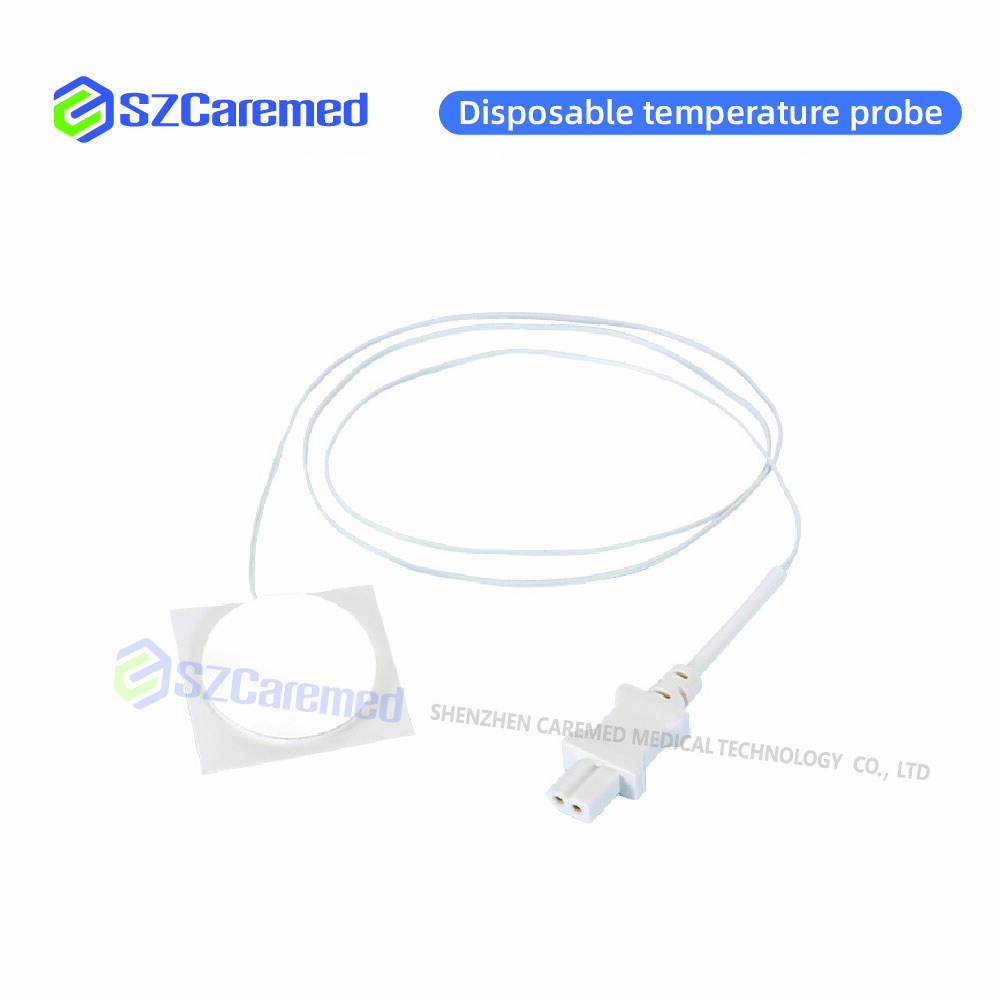
Infection Control and Hygiene: The Driving Force Behind Disposable Temperature Probe Adoption
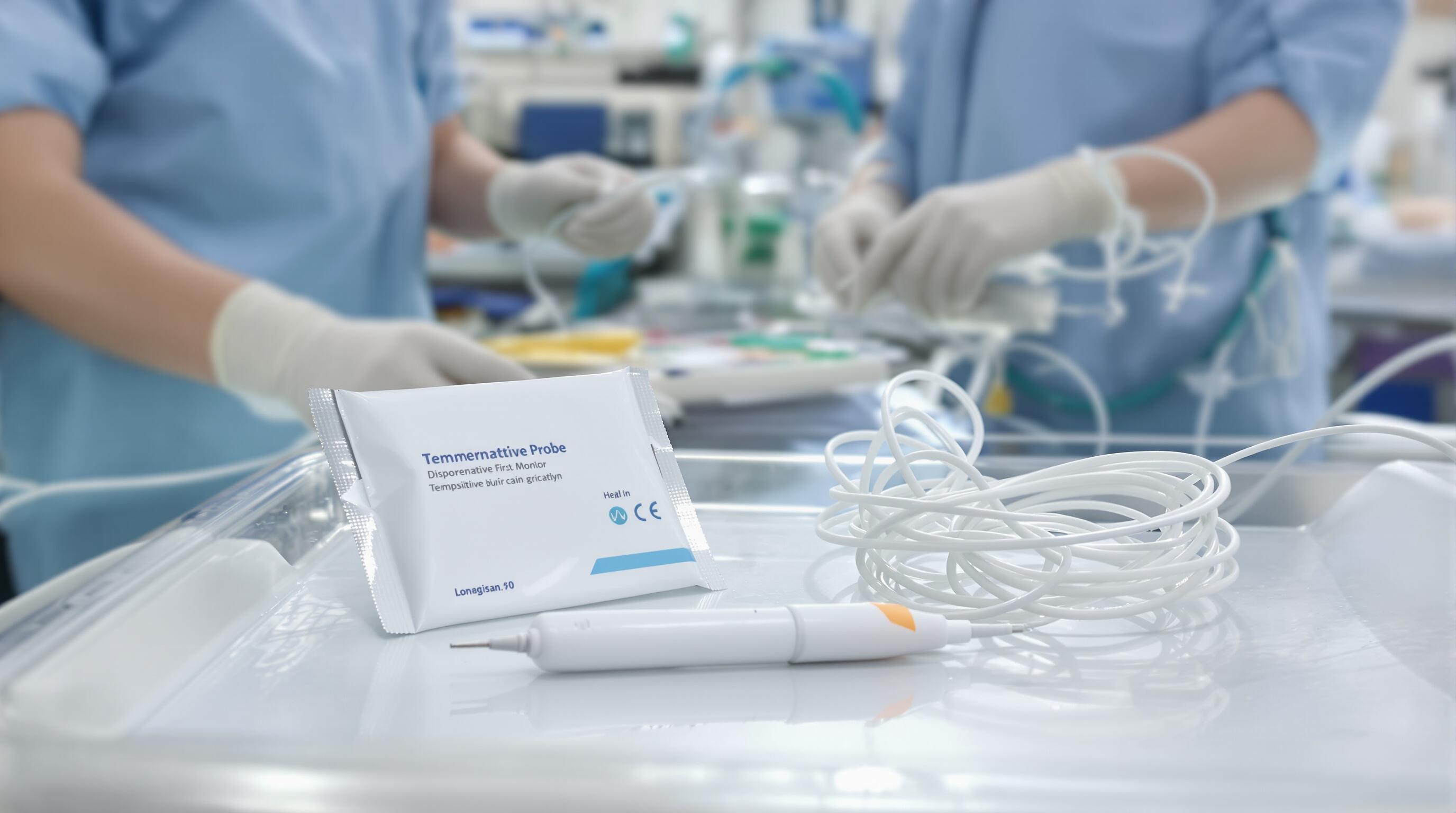
Rising Use of Disposable Temperature Probes in ICUs and Operating Rooms
Since 2020 we've seen a pretty dramatic rise in disposable temperature probes across critical care settings, according to research published in the Journal of Hospital Infection back in 2023. The numbers show around 37% more hospitals are now using these one-time use devices. Why? Because they cut down on those frustrating wait times when equipment needs cleaning between patients. Think about situations where every second counts, like during emergency trauma operations or managing sepsis cases. For cardiac intensive care units specifically, switching to disposables means doctors can get their hands on ready-to-go equipment approximately 18 minutes faster per patient than if they had to rely on traditional reusable options. That extra time makes all the difference when responding to life threatening conditions.
Hygiene Demands in Neonatal and Infectious Disease Units Shaping Probe Selection
Neonatal intensive care units (NICUs) report 62% lower surface contamination rates when using disposable probes, as shown in this comparison:
| Metric | Reusable Probes | Disposable Probes |
|---|---|---|
| Microbial colonization | 14% | 3.2% |
| Compliance violations | 22% | 6.1% |
Immunocompromised patients in transplant and oncology units now account for 41% of hospital disposable probe expenditures, reflecting a clinical priority on infection prevention over long-term cost savings from reuse.
Cross-Infection Risks Associated With Inadequate Sterilization of Reusable Temperature Probes
The 2023 sterilization audit found something alarming: nearly one out of every seven reusable temperature probes still had biological contaminants even after going through proper hospital disinfection procedures. When these devices aren't properly sterilized, they become gateways for dangerous multidrug-resistant organisms or MDROs as experts call them. Hospitals have actually linked these contaminated probes to about 18 percent of Staph infections acquired in long term care settings. And it gets worse. Even though there are clear guidelines in place, almost 40% of nursing staff admit they cut corners on cleaning processes when shifts change because time is always tight and patient demands never seem to slow down.
Design and Operational Differences Between Disposable and Reusable Temperature Probes
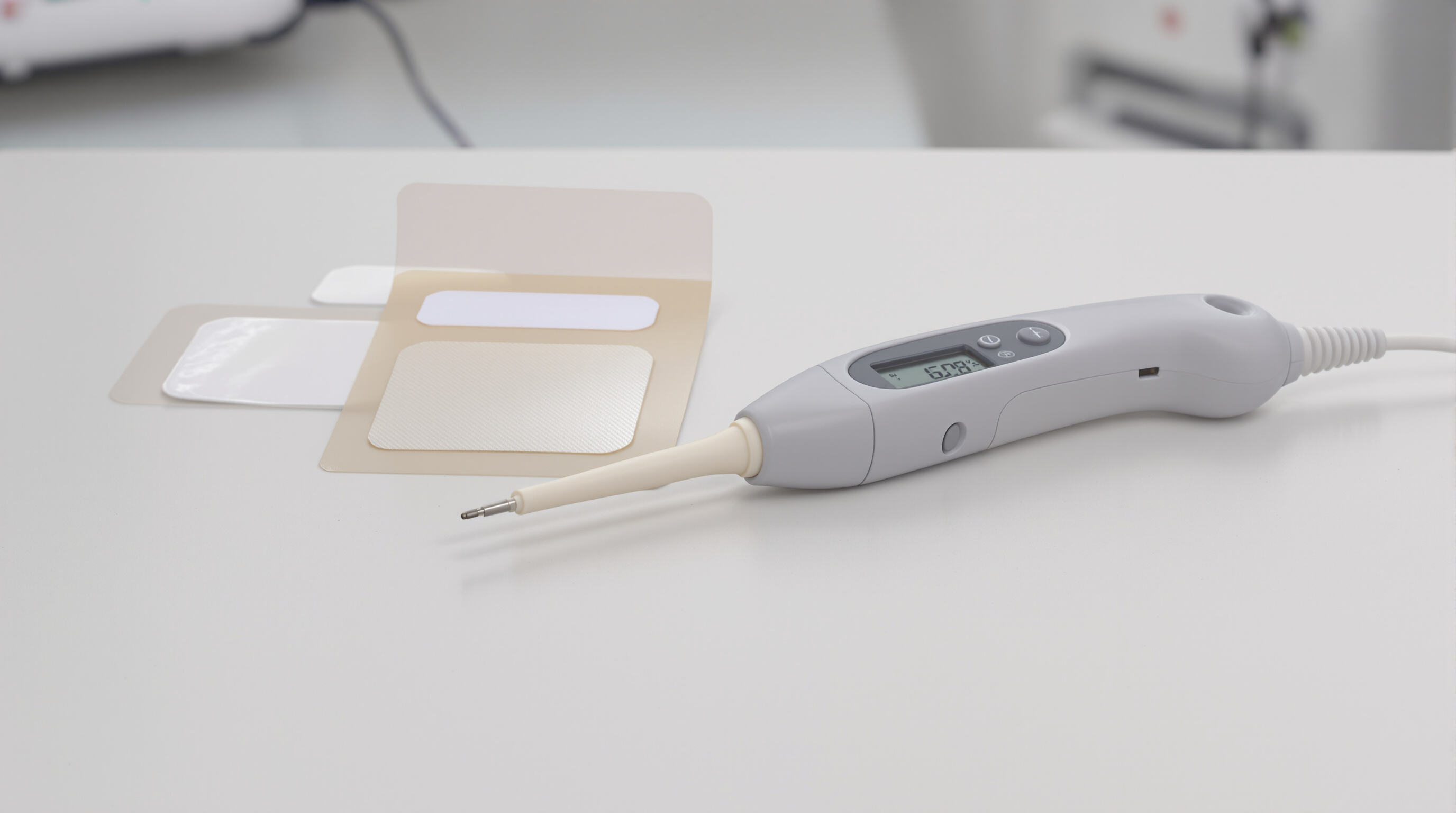
Key Functional and Structural Differences in Disposable vs. Reusable Temperature Probes
The disposable versions typically come with soft materials that won't irritate most skin types, plus they use medical grade adhesives so there's less chance of allergic reactions when used on just one patient at a time. For the reusable options, manufacturers often go with tough silicone or TPU (that's thermoplastic polyurethane for those keeping score) casings since these can handle being sterilized multiple times without breaking down. According to research published in 2022 by clinical engineers, these reusable units stay accurate within about half a degree Celsius after between fifty to seventy five cleaning cycles before needing another calibration check. Meanwhile, the disposables arrive already calibrated from the factory each time they're manufactured, which means no worrying about measurement drift over time like we sometimes see with older equipment.
Durability, Calibration Consistency, and Long-Term Reliability of Reusable Probes
Reusable probes generally last longer than their disposable counterparts, around 18 to 24 months if maintained properly, though they do show signs of wear over time from repeated autoclaving. The stress from sterilization processes tends to make sensors less responsive each year, with some studies indicating a drop in sensitivity between 12% and 15%. Hospitals and clinics that use these reusable options need to remember about those quarterly calibration checks. When facilities stick to this schedule religiously, it makes a real difference - one study published in the Journal of Critical Care Nursing back in 2023 showed that regular calibrations cut down measurement errors by nearly a third in hemodynamic monitoring systems.
Time, Labor, and Compliance Challenges in Cleaning and Disinfecting Reusable Probes
The whole process of reprocessing those reusable medical probes takes anywhere from 8 to maybe 12 minutes for each cycle when we factor in all the steps like cleaning, high level disinfection, and then drying everything properly. Hospitals end up spending around $23 to $38 every day just on labor costs and supplies for each ICU bed alone. Looking at recent compliance checks across different facilities, roughly 28 percent aren't hitting those ANSI/AAMI ST65 standards, which means there's a real risk of biofilm contamination building up over time. Because of this ongoing hassle, many healthcare centers are starting to switch to disposable options especially in areas with high patient turnover. Getting rid of the need for constant reprocessing actually frees up quite a bit of time for nursing staff too, cutting down their workload by approximately six and a half hours each week in wards that have ten beds total.
Clinical Evidence: Performance and Safety of Disposable Probes in Critical Care Settings
Use of Disposable Temperature Probes in High-Risk Surgical and ICU Environments
By 2023, most critical care departments had adopted disposable temperature probes for around 8 out of 10 patient monitoring situations because they just work better when every second counts. Research from Johns Hopkins showed something pretty significant too: using these disposables cut down waiting times during heart surgeries by nearly 20 minutes each case. That might not sound like much until you realize what those extra minutes can mean in emergency rooms and burn centers. When doctors need to monitor body temps constantly and accurately, having ready access to clean, reliable probes makes all the difference in responding quickly to changes in a patient's condition.
Comparative Infection Rates: Disposable Versus Reusable Probe Usage
Research published in NEJM back in 2022 found that hospitals using disposable medical probes had about a 2.1% hospital acquired infection rate compared to nearly double that at 4.8% for facilities relying on reusable equipment. Why such a big difference? Well, those tiny cracks and crevices in reusable devices tend to trap germs even after proper sterilization procedures. And things get worse around the 15th to 20th time these items are cleaned and reused. That's when we start seeing problems with how accurately they measure things plus wear and tear on the materials themselves makes infection control much harder to maintain. Looking at data collected across 120 different healthcare centers by the CDC, places that switched completely to single use products saw their rates of central line associated bloodstream infections drop by almost 40%. Makes sense why more facilities are making this switch nowadays.
Real-World Contamination Incidents Linked to Reusable Probe Handling
A 2021 outbreak traced Pseudomonas aeruginosa infections in 14 neonates to a reusable rectal probe cleaned only with alcohol wipes, bypassing FDA-approved sterilization. Similarly, an ASCRS report linked 23 surgical site infections to residual biofilm in esophageal temperature probes. These incidents have accelerated adoption of single-use probes in:
- Neonatal intensive care units (92% adoption rate in 2023)
- COVID-19 isolation wards (mandated by 47 state health departments)
- Transplant recovery units (78% reduction in aspergillosis cases post-switch)
These cases highlight how disposable probes close critical gaps in infection control.
Impact on Nursing Efficiency and Hospital Workflow Optimization
Reducing nursing workload through elimination of probe reprocessing tasks
Disposable probes save nurses 22—35 minutes per shift otherwise spent on cleaning and documenting reusable device reprocessing—tasks vulnerable to error under time pressure. This efficiency gain translates to 12% more bedside care time in neonatal units, where frequent monitoring is essential.
Cost-benefit analysis: higher upfront cost of disposables vs. long-term labor and infection-related savings
Disposable probes might seem expensive at around $4 to $8 apiece when compared with the $80 to $120 price tag for those reusable ones, but think about this: hospitals actually end up saving between $18 and $24 every year per hospital bed just from not having to spend time and money on cleaning them again and again. And here's where it really adds up. If we look at the typical $7,400 bill hospitals face when someone gets an infection because equipment wasn't properly sterilized, switching to disposables pays for itself pretty quickly—in somewhere between 8 to 14 months. The emergency rooms that made the switch tell us patients move through their doors about two thirds quicker since they don't waste time waiting for instruments to be cleaned between cases anymore. That kind of speed difference makes a huge impact during busy nights when every minute counts.
Future Trends and Strategic Considerations in Clinical Temperature Monitoring
Integration of Disposable Temperature Probe Protocols Into Hospital Infection Control Systems
More U.S. hospitals are starting to incorporate disposable probe protocols as part of their standard infection control measures, particularly in those critical care areas where patients are most vulnerable. According to a recent clinical innovation report from 2025, around one third (that's about 32%) of all hospital systems across the country require single use probes when treating immunocompromised individuals. These practices have led to a significant drop in contamination issues related to biofilms, cutting down problems by roughly 41%. The trend also matches up well with newer wireless disposable designs that send temperature readings straight into electronic health records without needing anyone to type them in manually, which helps avoid those frustrating data entry mistakes we all know too well.
Regulatory Trends Favoring Single-Use Devices for Patient Safety Compliance
In its latest 2024 guidelines, the FDA is pushing for single use temperature probes specifically in places like outpatient surgery centers and ERs across the country. The rules now label reusable temperature probes as semi critical equipment, which means they need proper hospital strength disinfectants plus proof that the cleaning actually works. Many small clinics just can't handle all that paperwork and hassle, so they tend to go with disposables instead. Over in Europe things are similar but even stricter. Their MDCG regulations require independent testing to confirm that reusable probes get cleaned properly. According to recent surveys, almost 6 out of 10 hospitals in the EU point to these strict cleaning requirements as one of the main reasons why they've started using disposable options more frequently.
Environmental Impact vs. Patient Safety: Balancing the Disposable Probe Debate
Disposable probes definitely cut down on cross infections, but let's face it, they pile up a ton of plastic waste in healthcare facilities. We're talking about around 2.3 tons each year just for every 100 hospital beds. Some hospitals are trying something new though. About 17 percent across the US have started these closed loop recycling systems specifically for medical grade plastics. There are also some early tests going on with biodegradable versions that seem to break down after about a year in controlled conditions. Still, most infection control specialists point out that even with all the environmental talk, the numbers tell a different story. The market for disposable probes is expected to grow at nearly 24% per year until 2033 because when it comes right down to it, these single use items really do work better at preventing those nasty hospital acquired infections.
FAQ
What are the main advantages of disposable temperature probes over reusable ones?
Disposable temperature probes help reduce cross-infection risks, improve hygiene standards, save time on sterilization, and are more reliable in high-risk medical environments.
How do disposable probes impact hospital costs despite their higher initial price?
While disposables may seem costly upfront, they save hospitals money on cleaning labor and reduce infection-related expenses, ultimately leading to significant cost savings over time.
Are there environmental concerns associated with disposable probes?
Yes, disposable probes contribute to plastic waste. However, efforts like recycling systems and biodegradable options are being explored to mitigate environmental impacts.
Why has there been a shift towards single-use probes in critical care settings?
The shift is driven by the need to prevent infections, reduce wait times for sterilization, and improve overall patient safety and care efficiency.
What are the regulatory trends related to disposable medical devices?
The FDA and European regulations increasingly favor single-use devices for patient safety, requiring stricter sterilization and cleaning processes for reusable items.
Table of Contents
- Infection Control and Hygiene: The Driving Force Behind Disposable Temperature Probe Adoption
- Design and Operational Differences Between Disposable and Reusable Temperature Probes
- Clinical Evidence: Performance and Safety of Disposable Probes in Critical Care Settings
- Impact on Nursing Efficiency and Hospital Workflow Optimization
- Future Trends and Strategic Considerations in Clinical Temperature Monitoring
-
FAQ
- What are the main advantages of disposable temperature probes over reusable ones?
- How do disposable probes impact hospital costs despite their higher initial price?
- Are there environmental concerns associated with disposable probes?
- Why has there been a shift towards single-use probes in critical care settings?
- What are the regulatory trends related to disposable medical devices?