 EN
EN


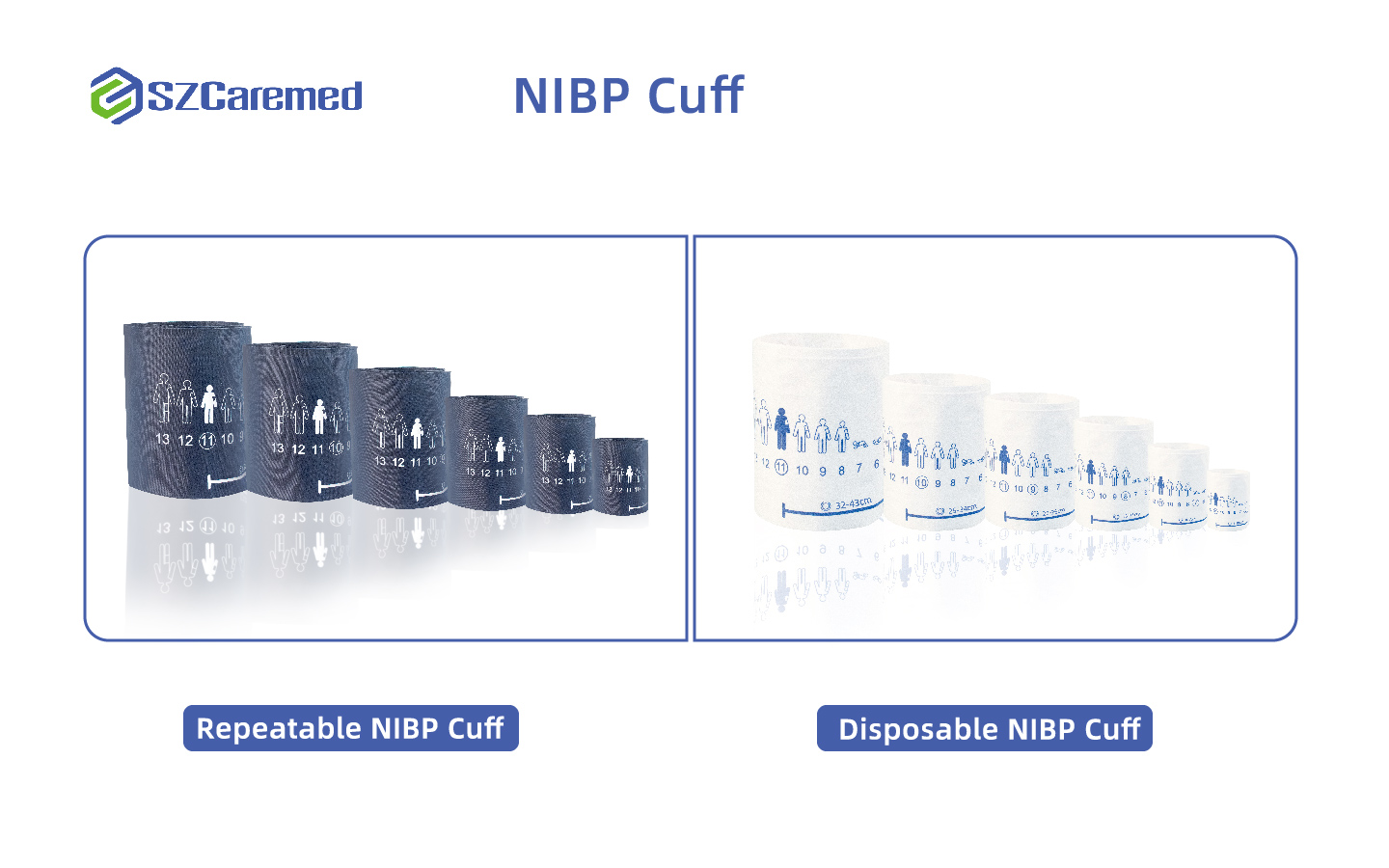
Understanding the Importance of NIBP Cuff Size
Why Cuff Size Impacts Blood Pressure Accuracy
The size of the NIBP cuff plays a crucial role in ensuring the accuracy of blood pressure measurements. Improperly sized cuffs can lead to significant errors, which may have serious health implications. For example, a cuff that is too small might overestimate systolic blood pressure by as much as 10 mmHg, while a cuff that is too large could result in an underestimation. This margin of error can critically mislead healthcare providers, leading to incorrect diagnoses or inappropriate treatments. According to medical guidelines, selecting the appropriate cuff size based on a person's arm circumference is essential for obtaining reliable blood pressure readings. By adhering to these guidelines, we can improve diagnostic accuracy and patient care outcomes.
Clinical Studies Highlighting Measurement Errors
Numerous clinical studies have highlighted the impact of incorrect cuff sizing on blood pressure readings, emphasizing the importance of using the right cuff size. Research published by the American Heart Association indicates that more than 30% of patients may experience inaccurate readings due to improperly sized cuffs. These inaccuracies can result in misdiagnosis and potentially harmful treatment plans. For instance, unnecessary hypertension medication might be prescribed, leading to side effects when blood pressure is inaccurately recorded. Correct cuff sizing is, therefore, not just a matter of best practice but a vital component in ensuring accurate measurement and avoiding potential healthcare mishaps.
Overestimation Risks with Small Cuffs
Using a small cuff can significantly affect blood pressure readings by compressing the artery more than necessary, leading to artificially high measurements. Research suggests that incorrect cuff sizing can elevate both systolic and diastolic pressure, which could result in inaccurate assessments of a patient's health status. The clinical implications are profound, potentially leading to unnecessary concern, frequent follow-up visits, and improper adjustments to medication that can affect a patient's healthcare journey. This underscores the importance of selecting the correct nibp cuff size to ensure precise blood pressure readings.
Underestimation Dangers from Large Cuffs
Conversely, using a cuff that's too large can lead to an underestimation of blood pressure values, which means hypertension could remain undiagnosed. Studies have pointed out that these miscalculations can delay the diagnosis of cardiovascular complications, heightening the risk of serious health issues. This impacts patient safety and could increase healthcare costs due to missed treatment opportunities. Such errors can be detrimental, highlighting the need for healthcare professionals to accurately choose mindray bp cuffs based on the individual’s arm circumference to ensure optimal blood pressure measurement.
Measuring Arm Circumference for Proper NIBP Cuff Selection
Step-by-Step Guide to Arm Measurement
An accurate measurement of arm circumference is crucial for selecting the right NIBP cuff size. First, ensure you have a flexible measuring tape at hand. Wrap it around the midpoint of the upper arm, ensuring a snug but not compressive fit. It's essential to measure both arms if a significant size difference is noticed to determine the most appropriate cuff size. This practice can prevent inaccuracies in blood pressure readings due to improper cuff size. Additionally, healthcare providers should guide patients on how to measure their arm circumference correctly, especially for home monitoring.
Common Mistakes in Arm Circumference Assessment
Errors in measuring arm circumference can lead to incorrect blood pressure assessments. Common mistakes include measuring from the wrong part of the arm or neglecting to consider body mass index variations. It’s also imperative to avoid using rigid measuring devices, which can produce inaccurate results. Proper training for medical staff on correct measurement techniques is essential to minimize these errors, ensuring accuracy in both clinical settings and at-home blood pressure monitoring. Understanding and following the correct measurement procedures significantly enhance the accuracy of NIBP readings.
Choosing the Right NIBP Cuff Size
Cuff Size Chart: Small, Regular, Large, and Extra-Large
Selecting the correct NIBP cuff size is crucial for accurate blood pressure measurement. Cuff size charts classify cuffs into small, regular, large, and extra-large, each intended for specific arm circumferences. Healthcare providers should systematically refer to these charts to ensure the appropriate cuff is used for each patient, as using the right cuff size enhances blood pressure management and overall patient outcomes. For example, an oversized cuff on a smaller arm may yield falsely low readings, while a cuff that's too small can lead to inflated measurements, potentially leading to misdiagnosis or overtreatment. The understanding and application of these cuff size standards allow for effective and precise blood pressure monitoring in clinical settings.
Special Considerations for Non-Invasive Blood Pressure Cuffs
When selecting non-invasive blood pressure cuffs, we need to think beyond size, commonly accounting for the patient population such as pediatric or geriatric patients. Certain conditions like limb obesity, deformities, or casts also require careful consideration as traditional cuffs may not suffice. Recently, innovations have introduced specialty cuffs tailored to diverse patient needs, including designs that address broader or narrower arm circumferences. This evolution in cuff technology allows for more accurate readings even in complex clinical scenarios. By considering these factors, healthcare providers can significantly improve the accuracy of blood pressure measurements across various patient demographics.
Best Practices for Accurate Blood Pressure Measurement
Optimal Positioning and Technique
Ensuring accurate blood pressure measurement is critical for appropriate medical assessment and decision-making. The optimal technique involves having the patient seated comfortably, with their back supported, feet resting flat on the ground, and the arm level with the heart. These simple adjustments are crucial for obtaining an accurate reading. Moreover, using the appropriate snug-fitting NIBP cuff directly on bare skin is essential for ensuring precise measurements. Inaccurately sized cuffs can produce incorrect readings—undersized cuffs overestimate, while oversized cuffs underestimate blood pressure levels. According to a review by Harvard Health Publishing, waiting at least 30 minutes after activities like smoking or consuming caffeine can help avoid skewed readings, ensuring at-home blood pressure monitoring remains reliable. Such attention to proper techniques not only enhances the accuracy of each blood pressure reading but also makes home monitoring significantly more trustworthy.
Avoiding Errors in Home and Clinical Settings
To maintain the accuracy of blood pressure readings, it is important to avoid potential errors both at home and in clinical settings. Education plays a pivotal role for patients, assisting them in understanding the importance of correct cuff sizing and application techniques to minimize errors during home measurements. For instance, utilizing proper nibp cuffs ensures more reliable readings. It's crucial to educate patients about the variability of blood pressure readings and how factors like stress or improper positioning can lead to inaccuracies. I recommend performing routine comparisons between home and clinical measurements. This practice can help identify discrepancies and improve overall healthcare management. Additionally, ongoing training for healthcare professionals in blood pressure measurement is essential for maintaining high standards and reducing potential errors in clinical settings. By staying informed and vigilant about the common pitfalls that can lead to inaccuracies, we can ensure better health outcomes through effective blood pressure management.