 EN
EN


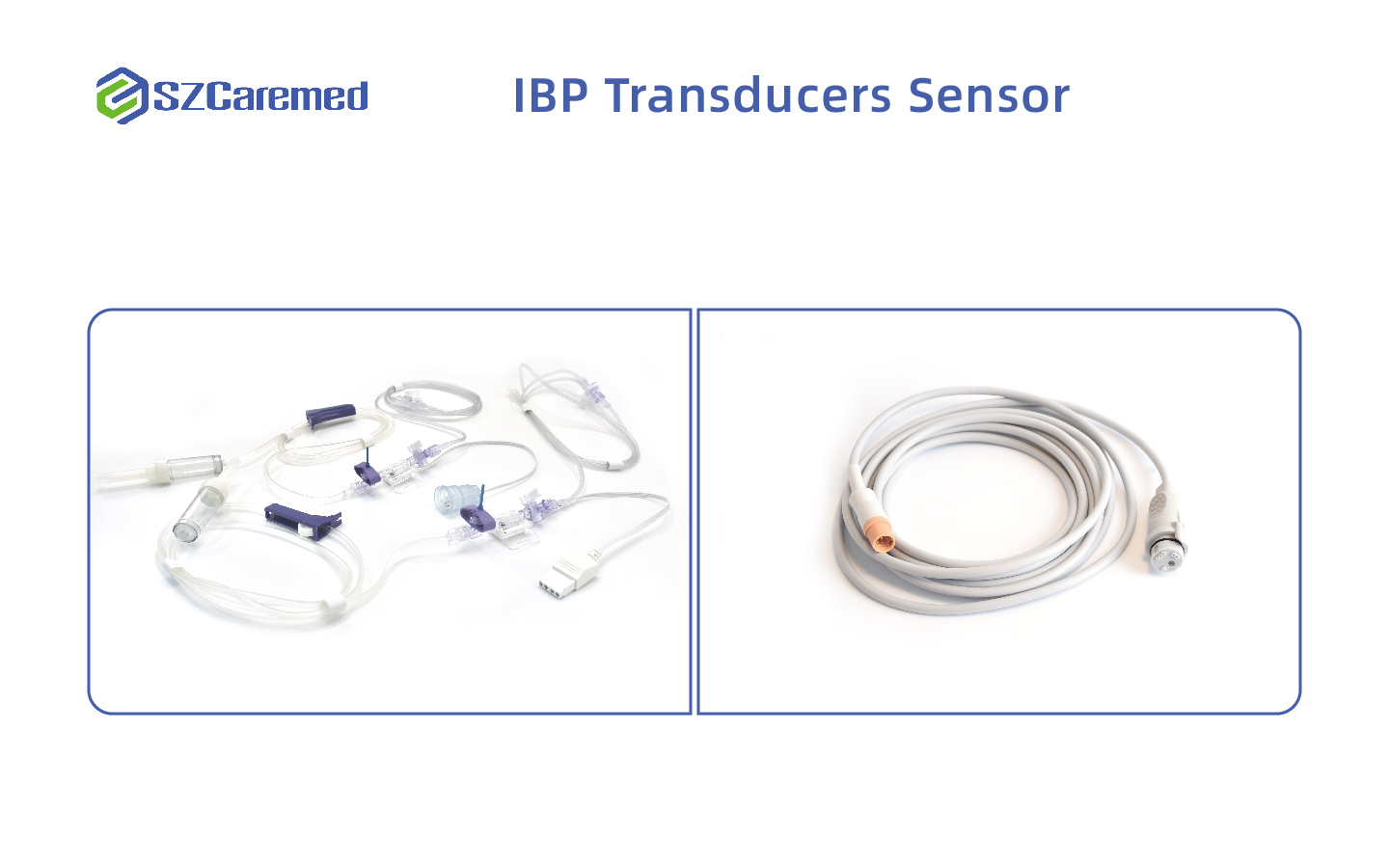
The Vital Role of IBP Transducers in Critical Care Monitoring
Precision in Hemodynamic Assessment
IBP transducers are indispensable in critical care settings due to their ability to provide precise real-time data on arterial blood pressure. These instruments offer vital insights for patient stability, allowing healthcare professionals to monitor hemodynamic changes meticulously. Research indicates that accurate hemodynamic monitoring can significantly reduce mortality rates by enabling timely interventions. For example, a study published in the Journal of Critical Care Medicine demonstrated that early detection and management of blood pressure fluctuations in critically ill patients could lower mortality rates by up to 15%.
IBP transducers also facilitate the precise titration of medications, especially vasopressors. This precision is crucial in maintaining optimal blood pressure levels, particularly in patients experiencing rapid physiological changes. Without real-time data provided by IBP transducers, clinicians might struggle to adjust medication dosages accurately, potentially leading to adverse patient outcomes.
Integration with Multiparameter Monitoring Systems (e.g., EEG Electrodes, Oxygen Sensors)
The seamless integration of IBP transducers with other monitoring technologies, such as EEG electrodes and oxygen sensors, enhances the clinician's ability to perform comprehensive patient assessments. By allowing for simultaneous monitoring of multiple parameters, these integrated systems provide a more holistic view of a patient's condition, significantly improving patient outcomes. According to recent guidelines from the European Society of Intensive Care Medicine, multi-parameter monitoring, including the use of EEG electrodes and oxygen sensors, is now considered standard practice for critically ill patients.
This integration enables healthcare providers to track various physiological metrics concurrently, providing a clearer picture of patient health. For instance, while monitoring brain activity through EEG electrodes, clinicians can simultaneously assess oxygen saturation levels and blood pressure, ensuring that no critical changes go unnoticed. This comprehensive approach is instrumental in improving the accuracy of diagnoses and the effectiveness of treatments in critical care scenarios.
How IBP Transducers Function: Technology and Mechanics
From Arterial Pressure to Electrical Signals
Understanding how IBP transducers function begins with their fundamental role: converting physiological pressure changes within the vascular system into electrical signals that are crucial for monitoring blood pressure dynamics. This conversion is achieved using a sensitive sensor element that reacts to the dynamics of blood flow, providing healthcare professionals with real-time, continuous, and accurate readings of a patient's arterial blood pressure. Advances in microtechnology have significantly enhanced the response times and accuracy of current transducers, allowing for more precise monitoring in critical care settings. These innovations are pivotal as they support timely clinical interventions, such as the administration of vasopressors, crucial in maintaining optimal blood pressure under fluctuating clinical circumstances.
Calibration Protocols for Reliable Measurements
Reliable measurements from IBP transducers hinge significantly on precise calibration protocols, as they are key to impacting critical clinical decision-making. Routine calibration against known standards minimizes discrepancies stemming from equipment variances. Many manufacturers outline these processes to ensure conformity and reliability. Studies also highlight the substantial risk of clinical errors associated with poor calibration, which can profoundly impact patient safety and treatment efficacy. Consequently, rigorous adherence to these protocols is imperative for ensuring precise and dependable measurements, thereby bolstering decision-making in dynamic and high-pressure healthcare environments.
Clinical Applications of IBP Transducers in High-Acuity Settings
ICU Management: Guiding Vasopressor Titration
In intensive care units (ICUs), IBP transducers play a critical role in the titration of vasopressors, allowing for immediate adjustments in hemodynamic status. These devices provide real-time data, enabling clinicians to make swift decisions that can dramatically improve patient outcomes during emergency situations. Case studies have highlighted how the timely and accurate data from IBP systems have resulted in enhanced patient recovery, especially when prompt interventions are necessary. Moreover, the continuous monitoring capability of IBP transducers ensures that any sudden change in patient condition is addressed without delay, which is crucial in critical care scenarios.
Surgical Interventions: Real-Time Blood Pressure Surveillance
During surgical procedures, the importance of real-time blood pressure monitoring cannot be overstated, and this is where IBP transducers excel. They ensure patient safety by providing continuous data that guide anesthetic adjustments and fluid management. Studies have underscored the benefits of such monitoring in surgeries, where fluctuations in blood pressure must be managed with precision to avoid complications. The capability of IBP transducers to offer immediate feedback allows surgeons to make informed decisions, thereby enhancing surgical precision and reducing the risk of postoperative issues. Hence, the integration of these devices in surgical settings is pivotal for delivering optimal care and ensuring successful outcomes.
IBP vs. Non-Invasive Monitoring: When Accuracy Matters Most
Limitations of NIBP Cuffs in Unstable Patients
Non-invasive blood pressure (NIBP) cuffs often struggle to provide accurate readings in unstable patients, which can pose significant clinical challenges. These cuff devices may experience delays in measurement and inaccuracies, particularly in patients with rapid changes in blood pressure or those experiencing severe hypertension or shock. A study published in the Scandinavian Journal of Trauma, Resuscitation, and Emergency Medicine highlights that NIBP often overestimates systolic and mean arterial pressures during hypotension and underestimates them during hypertension. Such inaccuracies can lead to delayed intervention and suboptimal patient management. Hence, for acute care scenarios demanding real-time and precise blood pressure measurements, invasive methods such as IBP transducers are preferred, as they offer reliable readings without the delays associated with oscillometric systems. Understanding these limitations is crucial for healthcare professionals making life-critical decisions.
Case Studies: Critical Scenarios Requiring Invasive Measurements
Numerous case studies underline the importance of invasive measurements in critical care scenarios where precision is paramount. These instances demonstrate how invasive blood pressure (IBP) transducers are crucial in managing patients experiencing shock or undergoing complex surgeries. For example, in patients with rapid hemodynamic changes, IBP systems deliver continuous, highly accurate data, enabling healthcare professionals to make informed decisions swiftly. As highlighted in several studies, IBP transducers provide superior data that directly influence interventions in critical care settings, fostering improved patient outcomes. Healthcare experts advocate for IBP usage in specific patient groups where accurate monitoring can't be achieved with NIBP systems, such as in the case of severe hemodynamic instability. This approach not only aids in precision management but also mitigates potential risks associated with inaccurate or delayed readings from non-invasive devices.
Optimizing IBP Transducer Performance in Critical Care
Avoiding Common Pitfalls: Air Bubbles and Signal Damping
Air bubbles and signal damping are frequent issues that can significantly affect the accuracy of invasive blood pressure (IBP) readings, making vigilant practice crucial for maintaining system integrity. When air bubbles form within the transducer lines, they can cause pressure artifacts that lead to erroneous blood pressure readings. Similarly, signal damping, which occurs when the pressure waves are overly suppressed, can distort data and compromise monitoring accuracy. To address these concerns, it's vital to train staff intensively on recognizing and rectifying such issues. Evidence supports that targeting these common pitfalls can markedly enhance patient monitoring and regulatory compliance. By prioritizing staff education, healthcare facilities can ensure that the benefits of IBP transducer use in critical settings are fully realized.
Synergy with Temperature Probes for Comprehensive Monitoring
Integrating temperature probes with IBP transducers can provide a more holistic view of patient physiology during critical care, enabling more comprehensive monitoring. This synergy allows healthcare professionals to track vital signs more accurately and swiftly identify physiological changes that might necessitate intervention. For instance, temperature fluctuations can influence hemodynamic stability, making real-time data crucial for rapid response. Increasingly, clinical protocols recommend combining these devices to deliver a thorough management approach for high-acuity patients. By employing simultaneous monitoring, clinicians can achieve quicker diagnostics and enact interventions that ultimately lead to better patient outcomes. As the demand for precision in critical care grows, this integrated methodology is becoming pivotal in patient care strategies.
Table of Contents
-
The Vital Role of IBP Transducers in Critical Care Monitoring
- Precision in Hemodynamic Assessment
- Integration with Multiparameter Monitoring Systems (e.g., EEG Electrodes, Oxygen Sensors)
- How IBP Transducers Function: Technology and Mechanics
- From Arterial Pressure to Electrical Signals
- Calibration Protocols for Reliable Measurements
- Clinical Applications of IBP Transducers in High-Acuity Settings
- ICU Management: Guiding Vasopressor Titration
- Surgical Interventions: Real-Time Blood Pressure Surveillance
- IBP vs. Non-Invasive Monitoring: When Accuracy Matters Most
- Limitations of NIBP Cuffs in Unstable Patients
- Case Studies: Critical Scenarios Requiring Invasive Measurements
- Optimizing IBP Transducer Performance in Critical Care
- Avoiding Common Pitfalls: Air Bubbles and Signal Damping
- Synergy with Temperature Probes for Comprehensive Monitoring