 EN
EN


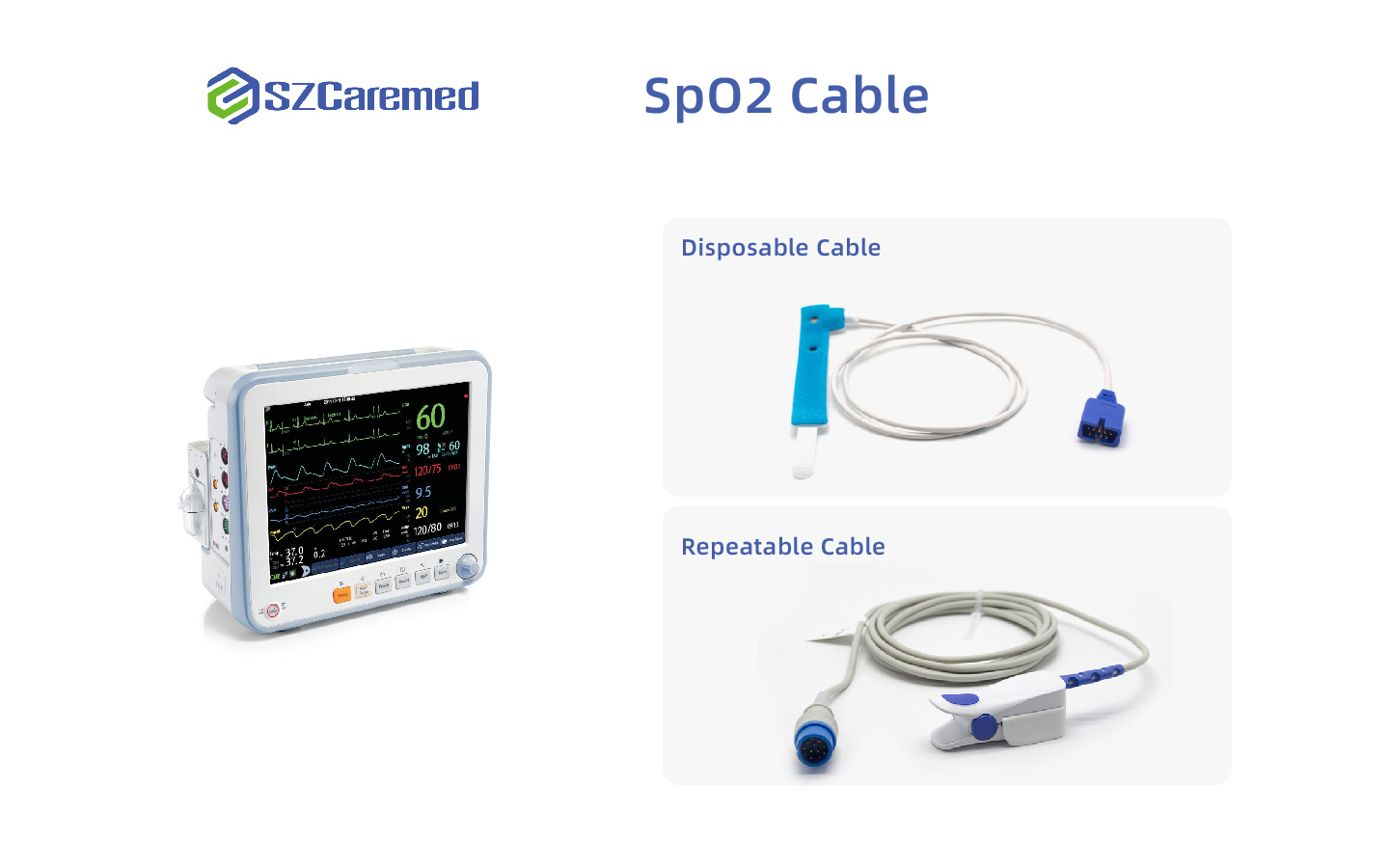
Understanding SpO2 Cable Functionality in Pulse Oximetry
Role of SpO2 Cables in Oxygen Saturation Monitoring
SpO2 cables play an essential role in pulse oximetry, functioning as the bridge between the patient and the pulse oximeter. These cables connect the device to the patient's finger or earlobe to obtain accurate readings of oxygen saturation levels. This connection is vital for monitoring patient health, particularly in critical environments like emergency rooms and operating theaters. Without these cables, medical professionals would struggle to receive the reliable data needed to assess and make rapid decisions regarding a patient's respiratory status. Having access to precise oxygen saturation details allows healthcare providers to effectively manage patient care, ensuring timely interventions when necessary.
Signal Transmission and Data Accuracy
Efficient signal transmission and high data accuracy are fundamental to the effectiveness of SpO2 cables. Quality cables minimize signal degradation, maintaining the integrity of the data transmitted. Factors such as cable length and material composition significantly affect the clarity and strength of the signals received by the pulse oximeter. Studies have demonstrated that substandard cables can lead to a 15-30% increase in inaccurate readings, which underscores the importance of selecting high-quality cables. Optimal signal transmission is crucial in providing accurate pulse oximetry data that healthcare professionals rely on to monitor and interpret patient conditions accurately.
Durability Requirements for Clinical Environments
SpO2 cables must meet rigorous durability standards to withstand the harsh clinical environments in which they are used. These environments typically involve frequent handling and exposure to cleaning agents, necessitating robust construction. Durability assessments are conducted through simulations of real-world usage to ensure that these cables can maintain functionality over extended periods. According to expert studies, SpO2 cables designed for medical use can last over five years with proper maintenance, offering reliable service and reducing the need for frequent replacements. Ensuring durability helps maintain consistent patient monitoring without interruptions due to equipment failure.
Key Features of High-Quality SpO2 Cables
Shielded Wiring for EMI Resistance
To ensure accurate signal quality, shielded wiring in SpO2 cables is a critical feature that resists electromagnetic interference (EMI). EMI can significantly distort signal quality, leading to inaccurate readings, especially in environments with numerous electronic devices. High-quality SpO2 cables incorporate special shielding to protect the data from external electromagnetic fields, thereby maintaining the integrity of the readings. Studies have demonstrated that cables with proper shielding can reduce interference-related issues by up to 80%, which is essential for precise oxygen saturation monitoring.
Medical-Grade Connectors and Strain Relief
Medical-grade connectors and strain relief are vital for ensuring the durability and functionality of SpO2 cables. These connectors provide a stable and secure connection, which minimizes the risk of disconnections and data loss during monitoring. Strain relief features are designed to prevent cable breakage at connection points, a common failure mode in medical settings. Manufacturers conduct rigorous testing on these connectors to ensure they perform well under high-stress conditions, which assures both safety and prolonged cable life.
Compatibility with Multi-Parameter Monitors
Compatibility with multi-parameter monitors is an essential feature of high-quality SpO2 cables, as it enhances their versatility and clinical usage. Cables that are compatible with various monitors allow healthcare providers to use the same cable across multiple devices, reducing costs and increasing convenience. With the growing adoption of multi-parameter monitoring systems in hospitals, research indicates a rising demand for adaptable cables, which necessitates seamless integration with existing technologies.
Ensuring Compatibility with Pulse Oximeters and Sensors
Matching Connector Types to Oximeter Models
Having the right connector types for pulse oximeters is vital to ensure accurate readings and prevent equipment damage. Different oximeters feature varied connector designs, making it necessary to match the cable to the specific model. Healthcare facilities often keep an inventory of multiple cable types to cater to diverse needs. A faulty reading can result in misdiagnosis, so maintaining compatibility across devices is crucial for reliable patient monitoring and effective usage.
Integration with Oxygen Sensors and Temperature Probes
The integration capability of SpO2 cables with oxygen sensors and temperature probes is essential for comprehensive patient monitoring. This seamless connectivity can enhance healthcare assessments and improve the accuracy of patient outcomes, offering a holistic view of vital signs. Studies emphasize that centralized readings through integrated devices simplify data gathering processes significantly, streamlining patient care and resource management.
Cross-Platform Use with NIBP Cuffs and EEG Electrodes
The versatility of SpO2 cables to function across different platforms like Non-Invasive Blood Pressure (NIBP) cuffs and Electroencephalogram (EEG) electrodes is a testament to their adaptability. This cross-platform capability is invaluable in critical care settings where multiple parameters require constant monitoring. Health professionals acknowledge that such versatility can streamline emergency processes by reducing the number of devices needed. Utilizing fewer devices without compromising on data precision can significantly enhance efficiency in high-stakes environments.
MRI-Safe Fiber Optic Cable Solutions
For optimal performance, MRI-safe SpO2 cables stand out by leveraging fiber optic technology to eliminate electromagnetic interference during MRI scans. This innovation is particularly crucial as niche studies suggest that fiber optic cables not only maintain performance in high magnetic fields but also expand the monitoring capabilities in clinical settings. Facilities with imaging departments greatly benefit from these cables since they can ensure continuous and accurate monitoring of patients who require scans, thus integrating seamlessly into the fabric of patient care.
Resistance to Chemical Exposure and Frequent Disinfection
In clinical environments, SpO2 cables must endure frequent disinfection and potential exposure to various cleaning agents to remain functional and safe. Medical cables designed with chemical resistance in mind provide a longer lifespan by withstanding the rigors of continuous use and disinfection. According to studies, implementing robust disinfection protocols is essential, as frequently disinfected equipment plays a vital role in preventing healthcare-associated infections, thereby maintaining a safer environment for both patients and healthcare providers.
Movement Artifact Mitigation in Ambulatory Monitoring
Mitigating movement artifacts is critical during ambulatory monitoring, where patient mobility can compromise the accuracy of readings. Recognizing this, advanced cable designs focus on flexibility and lightweight materials to minimize the effect of movements. Research indicates that specialized cabling can reduce movement artifacts by more than 30% in such settings. This is essential for accurate monitoring, ensuring reliable data is obtained even when patients are active, thus enhancing the quality of care.
Table of Contents
- Understanding SpO2 Cable Functionality in Pulse Oximetry
- Key Features of High-Quality SpO2 Cables
- Ensuring Compatibility with Pulse Oximeters and Sensors
- MRI-Safe Fiber Optic Cable Solutions
- Resistance to Chemical Exposure and Frequent Disinfection
- Movement Artifact Mitigation in Ambulatory Monitoring