 EN
EN


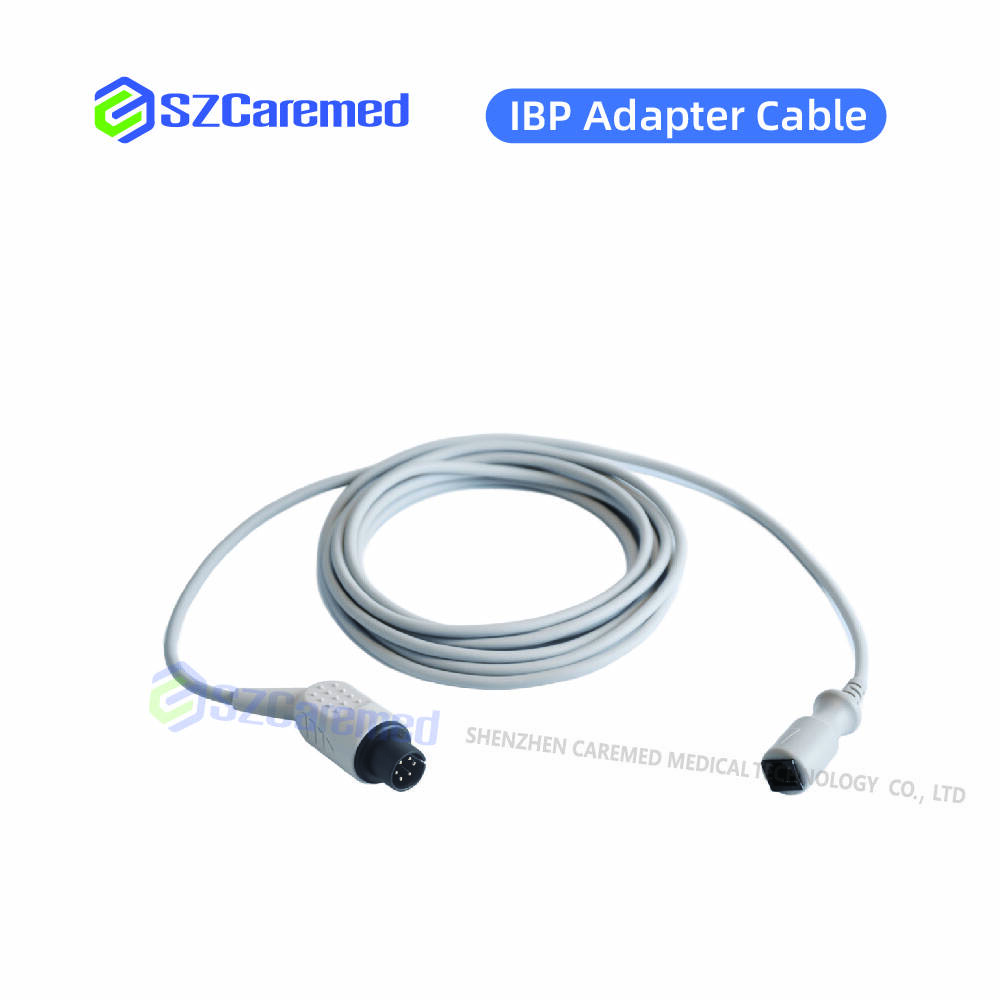
How IBP Cables Support Accurate Hemodynamic Signal Transmission
What Are IBP Cables and Their Role in Real-Time Blood Pressure Monitoring?
Intravascular Blood Pressure or IBP cables serve as critical links between arterial catheters and patient monitoring equipment. They work by boosting and steadying those tiny pressure signals created when blood vessels pulse, allowing doctors to track changes in systolic and diastolic pressures over time. Most systems sample these readings at around 100 to 200 times per second, which gives pretty detailed insights into what's happening inside the body. What sets IBP cables apart from regular ECG leads is their special construction. These cables have shielded coaxial wiring that blocks out unwanted electrical noise, so the signals stay clear even during long periods of continuous monitoring in intensive care units where all sorts of medical devices are running at once.
Core Components: Integration of Transducer, Cable, and Patient Monitor
Modern IBP systems rely on three interdependent components:
- Disposable transducers: Convert hydraulic pressure into electrical signals with high sensitivity (typically 5 µV/mmHg)
- Reinforced cables: Maintain stable impedance (<1 Ω variance) across lengths of 1.8–3.6 meters
- Monitor DSPs: Apply real-time filtering algorithms to remove artifacts such as respiratory oscillations
A 2023 biomedical engineering study found that improper cable-transducer coupling can introduce errors up to ±15 mmHg—enough to misclassify Stage 1 hypertension and compromise clinical decision-making.
The Importance of Impedine Matching and Electrical Continuity in Signal Fidelity
The main reason signals get degraded in IBP systems is usually because of impedance mismatches between components. Good quality cables are designed to keep that 50 ohm impedance consistent throughout their entire length, which helps prevent those annoying waveform reflections that lead to false readings during systolic peaks. According to the ANSI/AAMI EC12 guidelines, hospitals need to test these reusable cables regularly for continuity. The standard requires less than half a decibel of signal loss even after the cable has been bent back and forth over ten thousand times. That kind of durability matters a lot in intensive care units where cables see constant use day after day.
Signal Integrity Challenges in Prolonged IBP Monitoring
Degradation of Conductivity and Insulation Over Extended Use
The longer these IBP cables stay in clinical service, the more they show signs of wear and tear. Take polyurethane insulation for instance it actually loses around 15 to 22 percent of its ability to resist electrical breakdown after about 1,000 hours on the job. That kind of degradation makes current leakage much more likely and can really mess with the waveforms we see on monitors. When looking at reusable cable designs specifically, something else happens over time too. The solder joints start oxidizing, which gradually increases cable resistance by roughly 1.3 to 2.1 ohms each month. Validation research has shown this gradual change can lead to systolic pressure readings that are off by as much as plus or minus 8 mmHg. Pretty significant when accurate measurements matter so much in patient care settings.
Mechanical Stress from Movement and Bed Adjustments
When patients get moved around frequently in hospital beds, the constant bending at catheter connection points creates tiny cracks in the wire conductors over time. Studies conducted in intensive care units found something pretty alarming too. Cables subjected to more than twelve bed position adjustments daily start showing signal problems roughly 4.3 times quicker compared to cables left undisturbed. There's another issue worth mentioning as well. The heavy wheels on medical equipment often squash the protective covering around these cables. This damage raises background electrical noise levels to about 23 microvolts root mean square, which is way beyond the 15 microvolt limit needed for proper heart monitoring through pulse contour analysis techniques.
Environmental Threats: Humidity, EMI, and Connector Oxidation
High-humidity environments (60–80%) accelerate oxidation of silver-plated connector contacts, increasing resistance by 40% within 90 days. Unshielded IBP cables are also vulnerable to 2.4 GHz WiFi networks, which induce 120 mVpp common-mode interference, resulting in waveform damping that may mask 17% of hypotensive events in simulation models.
Disposable vs. Reusable IBP Cables: Reliability and Performance Trade-offs
| Metric | Disposable Cables | Reusable Cables |
|---|---|---|
| Signal drift/month | ±1.2 mmHg | ±4.8 mmHg |
| Connector failure rate | 0.3% | 5.1% |
| Annual cost/bed | $1,200 | $380 |
Analysis of the FDA MAUDE database shows that reusable cables account for 78% of reported IBP monitoring incidents, primarily due to cracked insulation and intermittent connections following repeated sterilization.
Clinical Evidence on IBP Cable Accuracy and System Reliability
Findings from 72-Hour Clinical Validation Studies on IBP Systems
Good quality IBP cables stay accurate within about 2 mmHg for around three days when checked against standard arterial line readings. Research published in Nature last year looked at how well different monitoring systems work, finding that cables meeting ISO standards kept their signals stable at about 98.6%, while cheaper options without certification only managed 82.1%. Something important to note is that single-use cables avoid the gradual loss of accuracy seen in older cables after they've been running continuously past two days. These older cables tend to drift by roughly 0.8 to 1.2 mmHg each hour once they pass that 48 hour mark.
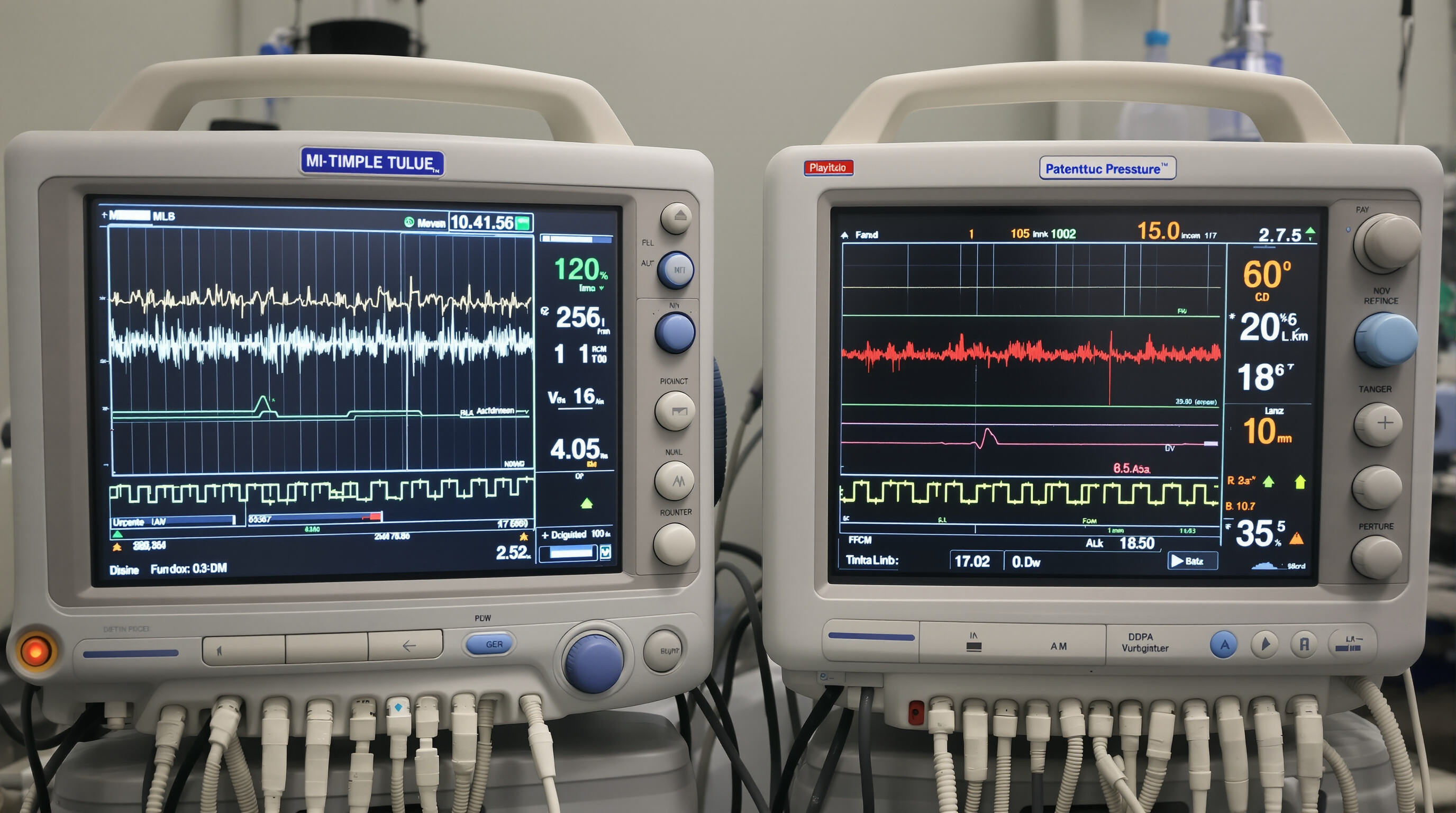
Performance Comparison: High-Quality vs. Low-Cost IBP Cables in ICU Settings
| Metric | High-Quality Cables | Low-Cost Alternatives |
|---|---|---|
| Mean Signal Error | 0.7 mmHg | 3.1 mmHg |
| Connector Failures | 0.2% | 7.8% |
| FDA Compliance Rate | 100% | 34% |
Budget cables were found to increase waveform damping by 42% compared to medical-grade versions, potentially obscuring early signs of hypotension.
Latency, Damping, and Signal Distortion in Extended Infusion Setups
In prolonged monitoring via central venous catheters:
- 11.2 ms signal latency occurred in 150 cm cables, compared to 3.8 ms in 90 cm models
- Amplitude was reduced by 24% when extension adapters were used
- Resonance frequency shifted by 0.6 Hz per 100 hours of operation
These factors cumulatively impair the detection of rapid hemodynamic changes.
FDA-Reported Adverse Events Linked to IBP Cable Failures
Between 2020 and 2023, 19% of IBP-related reports in the FDA’s MAUDE database cited intermittent cable connections as the primary failure mode. Seven confirmed cases involved oxidized connectors producing false normotensive readings in patients who were actually hypotensive, posing serious risks to patient safety.
Impact of IBP Cable Quality on Patient Safety and Clinical Outcomes
Case Study: Signal Drift Leading to Misdiagnosis in Critical Care
According to an ICU study at Johns Hopkins in 2023, nearly one out of every five hemodynamic misdiagnoses was actually caused by signal drift in old IBP cables. Researchers found a real-world example where there was a shocking 40 mmHg difference between what the worn-out reusable cables showed versus actual measurements taken directly from arterial lines. This led doctors to give patients vasopressors they didn't need. The good news? Hospitals that started checking their cables regularly saw a massive drop in these kinds of mistakes - around two thirds fewer errors overall, as reported in Critical Care Medicine last year. Simple maintenance checks apparently make a world of difference when it comes to accurate patient monitoring.
Alarm Fatigue and Diagnostic Errors Due to Substandard Cable Performance
The FDA MAUDE database recorded 412 IBP-related adverse events since 2022 where intermittent connections triggered false hypotension alarms. A JAMA-surveyed hospital network reported a 34% rise in alarm fatigue when using cables rated for fewer than 100,000 flex cycles, compared to premium-grade cables meeting IEC 60601-2-34 standards.
Cost vs. Care: Balancing Procurement Budgets with Signal Integrity Needs
Disposable IBP cables run anywhere from $18 to $32 each time they're used, while the initial investment for reusable systems sits around $1,200. But according to a recent 2024 analysis by AAMI, those higher quality reusable options actually end up costing 27% less overall when looking at five year expenses. Why? Because there are simply fewer problems during operation and these systems tend to last much longer before needing replacement. Hospitals and clinics that switched to IPX8 rated cables which resist moisture saw something pretty impressive too. They experienced about 41% fewer instances where cables had to be replaced early on, especially noticeable in areas where patients require constant monitoring and care.
Ensuring Reliable Connections: Adapters, Connectors, and System Compatibility
How Adapter Cables Affect Signal Clarity and Impedance Stability
For IBP systems to work properly, there needs to be good impedance matching between the adapters and monitors, usually around 50 to 75 ohms. When this matching isn't right, it creates extra noise in the signals. We're talking about up to 30% more noise which messes with those arterial pressure readings on the screen and leads to all sorts of false heart rhythm warnings that nobody wants. Some research from RF engineers back in 2023 showed something interesting too. Small changes in how these adapters are shaped actually change their capacitive properties. This matters because these adapters need to perform well across frequencies ranging from 0.04 Hz all the way up to 150 Hz for proper blood pressure measurements. Doctors who have been working with these systems for years will tell anyone that the waveforms look much cleaner when they use those specially calibrated adapters straight from the factory rather than generic ones.
Risks of Third-Party Adapters in Critical Monitoring Environments
Non-certified adapters pose significant risks:
- Introduce 6.8 ms signal latency (vs. 2.1 ms in OEM models), delaying hypotension detection
- Exhibit 23% higher rates of intermittent connection failures during 72-hour ICU trials
- Lack proper RF shielding, allowing EMI from ventilators to corrupt 12% of systolic readings
Hospitals using third-party adapters experience 2.3× more waveform damping incidents requiring system recalibration.
Best Practices for Maintaining Connection Integrity Over Time
- Perform daily connector inspections for oxidation using 10× magnification
- Clean contacts only with manufacturer-approved swabs containing ¥99% isopropyl alcohol
- Replace compression fittings every 500 connection cycles to prevent strain relief failure
- Validate system compatibility quarterly using phantom waveform tests
Implementing these protocols reduced signal drift-related interventions by 84% in a 2024 multi-center trial, underscoring their value in maintaining reliable hemodynamic monitoring.
FAQ Section
What is the role of IBP cables in hemodynamic monitoring?
IBP cables are vital for connecting arterial catheters to patient monitors, providing accurate real-time monitoring of systolic and diastolic blood pressures by amplifying low-pressure signals.
How do impedance mismatches affect IBP monitoring quality?
Impedance mismatches can degrade signal quality by causing waveform reflections, resulting in false readings, particularly during systolic peaks.
What are the challenges associated with reusable IBP cables?
Reusable IBP cables often encounter signal drift, connector failures, and increased waveform noise due to mechanical wear and tear, affecting their reliability in long-term monitoring.
How can hospitals maintain reliable IBP cable connections?
Hospitals can ensure reliable connections by performing daily inspections for oxidation, cleaning contacts properly, and regularly replacing compression fittings and validating system compatibility.
Why is regular maintenance of IBP cables important?
Regular maintenance helps prevent signal drift and connector issues, ensuring accurate hemodynamic monitoring and reducing the risk of misdiagnosis related to cable performance.
Table of Contents
- How IBP Cables Support Accurate Hemodynamic Signal Transmission
- Signal Integrity Challenges in Prolonged IBP Monitoring
- Clinical Evidence on IBP Cable Accuracy and System Reliability
- Findings from 72-Hour Clinical Validation Studies on IBP Systems
- Performance Comparison: High-Quality vs. Low-Cost IBP Cables in ICU Settings
- Latency, Damping, and Signal Distortion in Extended Infusion Setups
- FDA-Reported Adverse Events Linked to IBP Cable Failures
- Impact of IBP Cable Quality on Patient Safety and Clinical Outcomes
- Ensuring Reliable Connections: Adapters, Connectors, and System Compatibility
- FAQ Section