 EN
EN


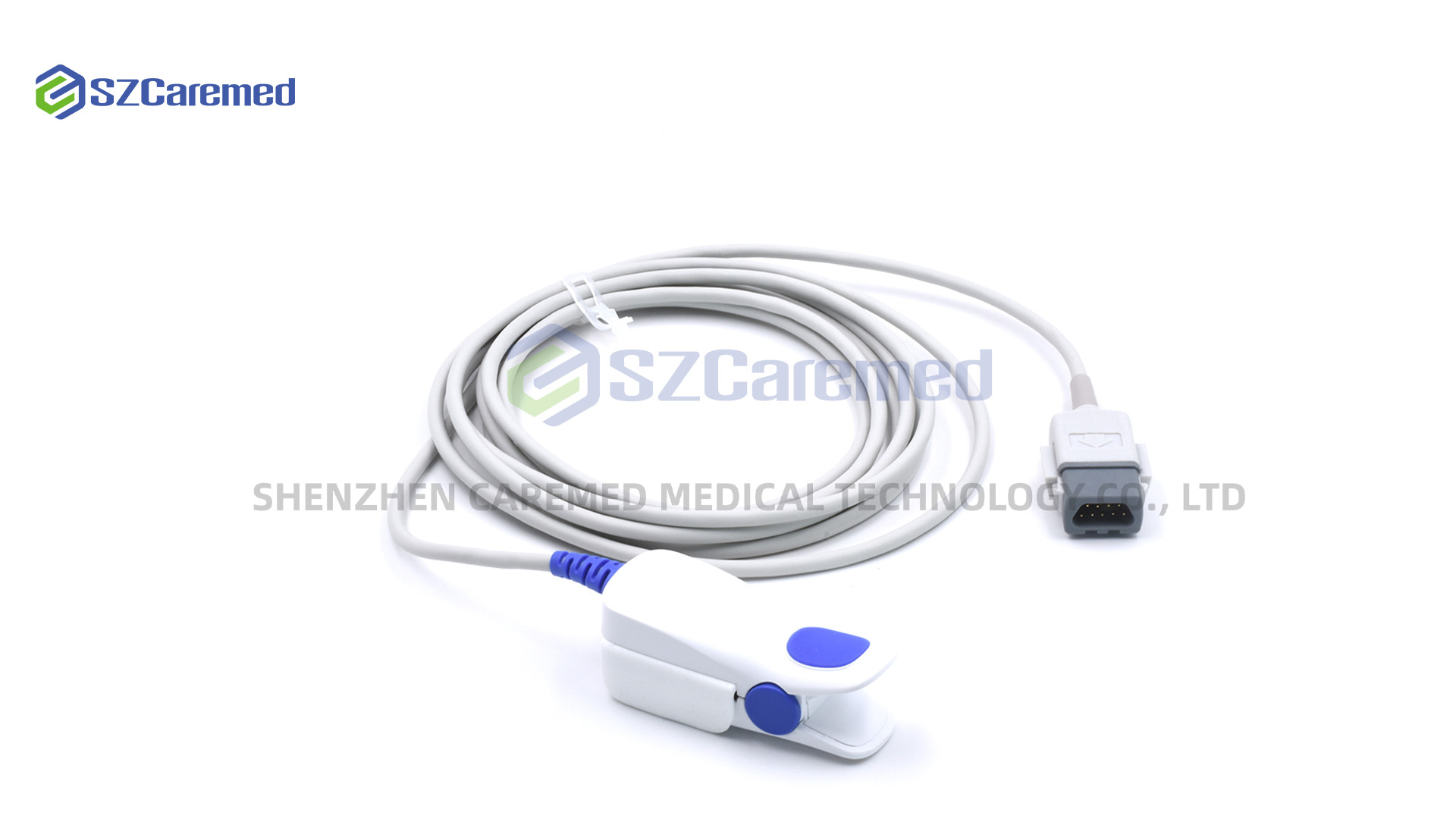
How SpO2 Sensor Technology Enables Continuous, Non-Invasive Monitoring
Pulse Oximetry and Optical Spectroscopy Principles in SpO2 Sensors
SpO2 sensors work by shining different colors of light through our fingers to check how much oxygen is in the blood. The basic idea is pretty clever actually. When red and infrared lights pass through blood vessels, they interact differently with hemoglobin depending on whether it's carrying oxygen or not. Oxygen-rich blood tends to soak up more infrared light while blood low in oxygen absorbs more of the red spectrum. Smart devices then take all this information and run it through some pretty sophisticated math to give us those SpO2 numbers we see on monitors. Most modern finger clips are accurate within about 2 percentage points when compared against traditional blood tests, according to research published last year by Cabanas and colleagues. Not bad for something so convenient and painless!
Photoplethysmography (PPG) Technology in Wearable Health Devices
PPG tech works by detecting changes in blood volume through those little LED lights and sensors we see on smartwatches these days. The latest wearables actually use multiple wavelengths of light in their PPG systems, which helps tell apart the regular heartbeat signals from the background noise of venous blood flow. This makes them much better at handling movement without losing track. Big name companies are getting clever with this stuff too. They're pairing those optical sensors with machine learning algorithms to clean up the data when someone moves around. Clinical tests done last year show pretty impressive results. Most devices maintain about 85% accuracy while walking normally, and even manage to keep roughly 72% accuracy during things like light jogging or cycling. Pretty good considering how tricky it is to measure heart rate accurately when moving.
Real-Time Blood Oxygen Tracking Through Non-Invasive Sensing
Continuous SpO2 monitoring solves many problems found in regular spot checks of pulse oximetry. It can catch those brief moments when oxygen levels drop during sleep, which happens pretty often actually. The system tracks oxygen variations all day and night, giving doctors better data for managing long term health issues. And if oxygen falls below 90%, the device alerts the user within just 15 seconds flat. Some recent research on hypoxia shows these wearable gadgets are getting really good at what they do. They now perform almost as well as hospital grade equipment when it comes to spotting those nighttime dips in oxygen levels, with a correlation coefficient around 0.94 according to studies. What makes this technology work so well is how it handles signals from the body. The system adapts automatically to changes in blood flow throughout the day, so people can wear it while going about their normal routines without interruption.
Accuracy and Clinical Reliability of SpO2 Sensors in Real-World Use
SpO2 Measurement Accuracy Across Clinical and Consumer-Grade Devices
In clinical settings, pulse oximeters typically show mean absolute errors (MAE) under 2% when tested properly. Consumer grade wearables tell a different story though their accuracy ranges all over the place. Some top models manage around 1.2 to 1.8% MAE according to recent research by Cabanas and colleagues back in 2024. Things are changing fast though. New tech that mixes traditional PPG measurements with smart algorithms has made a real difference. These hybrid systems now hit about 0.69% RMSE and work just fine whether used at home or in medical facilities.
Ensuring Reliable Readings During Movement and Physical Activity
Motion artifacts disrupt 23% of SpO2 measurements in basic wrist-worn sensors compared to 8% in chest patches, according to a 2023 hypoxia protocol analysis. Advanced sensors employ hardware solutions like gyroscope-assisted motion filtering and software innovations such as adaptive signal averaging, maintaining accuracy within ±3% even during high-intensity exercise.
Addressing Variability in SpO2 Sensor Performance Across Skin Tones
Recent FDA guidance mandates bias testing across all skin pigmentation categories after studies revealed 2.7% absolute error differences between light and dark skin tones in legacy devices (Ponemon, 2023). Multispectral sensors using white-light emitters and dynamic intensity adjustment now achieve <1.5% skin tone-related variability, meeting ISO 80601-2-61 standards for equitable performance.
FDA Clearance and Clinical Validation of Wearable SpO2 Sensors
The Withings ScanWatch became the first wrist-worn device with FDA clearance for SpO2 monitoring in 2021 after demonstrating 98% concordance with arterial blood gas analysis across 500 participants. Clinically validated wearables now undergo rigorous hypoxia testing protocols, including sustained measurements at 70–80% saturation levels to ensure emergency detection capabilities.
Signal Stability and Motion Tolerance in Continuous Monitoring
Noise Reduction Techniques for Consistent SpO2 Signal Quality
Today's SpO2 sensors fight against signal interference through several layers of filtering that help separate real physiological signals from all sorts of background noise. The signal processing gets pretty sophisticated too, basically picking out the oxygen saturation patterns while knocking down those pesky high frequency artifacts that come from things like ambient lighting or electromagnetic interference. According to research published in Biomedical Signal Processing back in 2023, this kind of approach actually makes the SpO2 waveforms much clearer, around 34% improvement when tested in really noisy places such as factories and other industrial settings where traditional methods would struggle.
Hardware and Algorithmic Solutions for Motion Artifact Suppression
Top wearable devices now combine MEMS accelerometers with smart filtering techniques that can tell the difference between actual movement and subtle changes caused by blood flow. Manufacturers have started using dual wavelength LED setups along with really sensitive light detectors to keep signals stable even when someone is out for a run or hitting the spin class. The latest models feature motion compensation software that automatically tweaks how often it samples data based on what's happening. Clinical testing shows these improvements bring error rates down to around plus or minus 2 percent during tough workout sessions, which makes a big difference for serious athletes tracking their performance metrics day after day.
Performance Comparison Across Wearable Sensor Designs
Studies looking at leading manufacturers show that there's pretty much a 93 percent match between those little SpO2 sensors on wrists and the fancy medical grade pulse oximeters used in sleep labs. When it comes to dealing with movement, chest straps really stand out, hitting around 98% accuracy even when someone is walking at about 180 steps per minute. Smartwatches take a different approach though, focusing more on keeping people comfortable for longer periods. Some models can actually monitor continuously for up to 22 hours straight without needing a break. Looking at all day performance metrics, most high end devices from 2023 tests met the ISO 80601 standards for stability throughout the day, clocking in at roughly 89% compliance across the board.
Integration in Wearables for All-Day and Sleep-Stage Oxygen Tracking
Design and Placement of SpO2 Sensors in Smartwatches, Rings, and Patches
Continuous SpO2 monitoring in today's wearable tech depends heavily on where these sensors are placed. Most smartwatches put their sensors right on the bottom side of the wrist. They use those fancy LED lights that come in different colors to get through our skin and reach the tiny blood vessels underneath. For ring-shaped devices, designers have gone with finger placements since fingers tend to have steady blood flow. The optical sensors work better there. Medical adhesive patches take another approach altogether. These stick to either the chest area or upper arms using special materials meant for long term wear. All these different setups help reduce problems caused by movement during normal activities. That matters a lot when people want to track their health stats around the clock without constantly adjusting their gear. According to Sleep Foundation research from last year, this kind of reliable setup is what makes continuous health monitoring actually practical for everyday life.
All-Day SpO2 Monitoring: Balancing Power Efficiency, Comfort, and Precision
Tracking oxygen levels continuously requires hardware that consumes minimal power along with smart sampling strategies. Many modern devices cut down on battery drain by around 30 to 40 percent when compared to older versions, achieving this by taking readings periodically instead of running nonstop. For instance, some models check oxygen saturation every five minutes rather than constantly monitoring. Manufacturers have also focused on comfort factors, using lightweight composite materials for sensor modules weighing under 15 grams and incorporating curved glass surfaces that sit comfortably against the skin during long periods of wear. Clinical tests published in the Journal of Biomedical Optics last year showed these improvements maintain accuracy within plus or minus 2% for SpO2 measurements, which is impressive considering how much better they've gotten at balancing performance with patient comfort.
Continuous Sleep Monitoring: Detecting Apnea and Nocturnal Hypoxia Events
Modern wearable devices are getting pretty good at spotting blood oxygen level drops that might indicate sleep problems. Recent research found that when oxygen saturation falls under 90% for ten seconds or more, wearables match up with traditional sleep study results around 89% of the time according to data from the American Thoracic Society back in 2023. These smart gadgets actually connect those oxygen dips to changes in how fast someone breathes and variations in their heartbeat rhythm. What this means is doctors can start looking for issues like sleep apnea much earlier on, all without sending patients through expensive overnight lab tests. Pretty impressive stuff considering where we were just a few years ago!
Long-Term Health Insights From Real-Time, Wearable-Based SpO2 Data
Looking at SpO2 levels over several months gives real value to people tracking their health and doctors alike. Studies show when someone's baseline drops by 4% or more across six weeks, there's a good chance their lungs are getting worse too about 78 times out of 100 among folks with asthma according to research published in the European Respiratory Journal last year. The latest wellness tech is putting all these numbers together with how much someone moves around and sleeps patterns too. This combination helps build custom plans to manage oxygen better for those working at altitude, people dealing with COPD, and serious athletes who need every bit of breath they can get.
FAQ
What are the basic principles behind SpO2 sensor technology?
SpO2 sensors work by using pulse oximetry and optical spectroscopy principles, which involve shining different colors of light through the skin to measure blood oxygen levels by observing how light interacts with oxygen-rich and oxygen-poor hemoglobin in the blood.
Why is continuous SpO2 monitoring important?
Continuous SpO2 monitoring provides real-time oxygen level data, which can help identify health issues like sleep apnea and manage long-term health concerns by providing better data for healthcare providers.
How accurate are wearable SpO2 sensors?
Clinical-grade devices typically maintain high accuracy with mean absolute errors under 2%. Consumer-grade devices vary, but recent advancements have improved their accuracy significantly with some reaching near-clinical accuracy.
Do SpO2 sensors work on all skin tones?
Recent advancements and FDA guidance require testing for sensor performance across all skin tones, reducing variability in readings by using multispectral sensors and dynamic intensity adjustment.
Can SpO2 sensors provide long-term health insights?
Yes, monitoring SpO2 levels over time allows for tracking changes that can indicate worsening lung conditions or other health issues. This data can be used to develop personalized health management plans.