 EN
EN


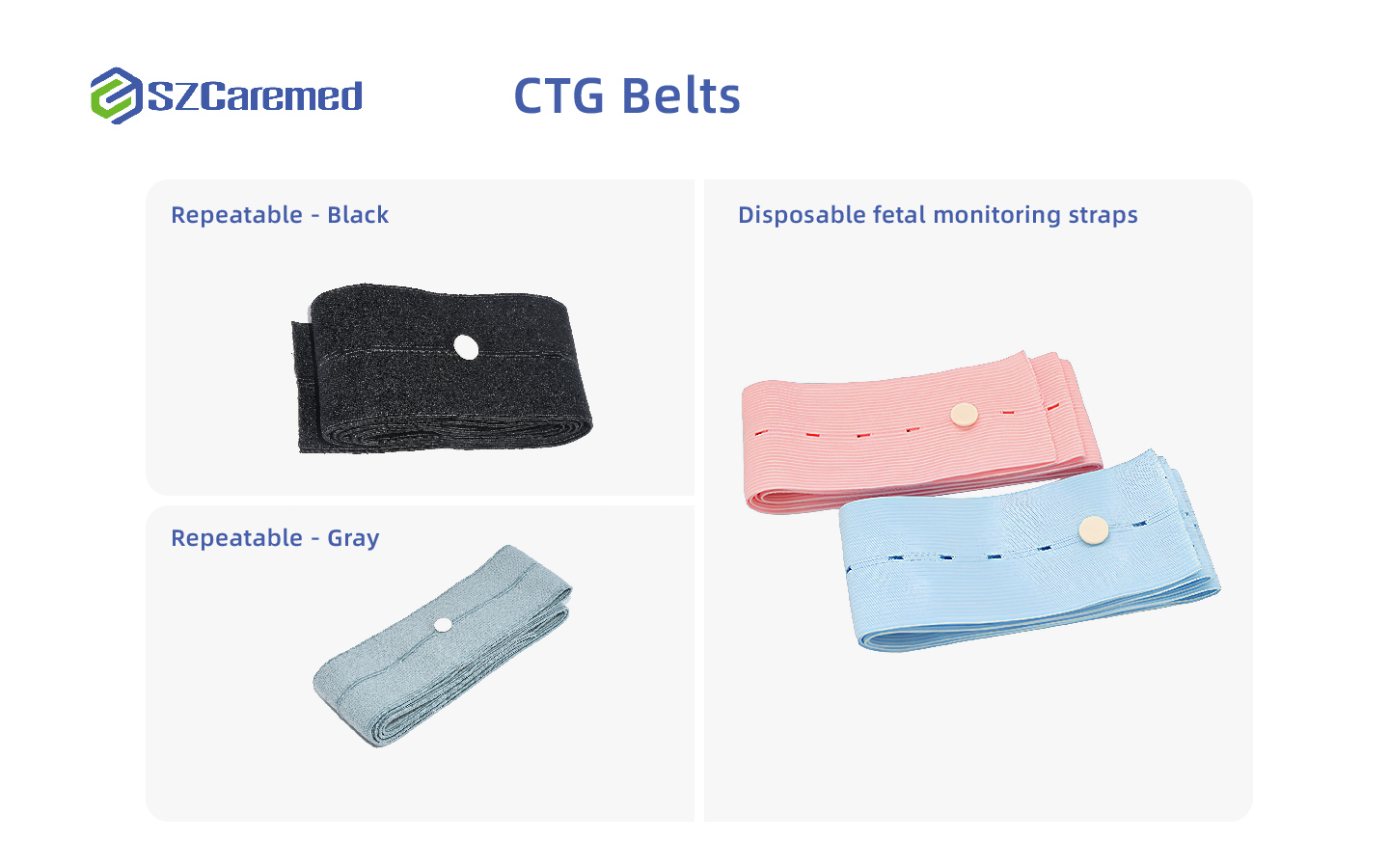
Understanding CTG Belts in Fetal Monitoring
How CTG Belts Track Contractions and Heart Rate
CTG belts, or cardiotocography belts, are essential tools in fetal monitoring as they measure uterine contractions and fetal heart rate in real time. These belts utilize sophisticated sensors to capture the electrical signals generated by the heart and uterus, providing critical insights into the baby's well-being. According to a study published in the Journal of Maternal-Fetal & Neonatal Medicine, these metrics are crucial for tracking and interpreting fetal health data. The paper highlighted how medical professionals rely on CTG readings to monitor fetal distress and contraction patterns, making CTG belts indispensable in modern obstetrics.
The Role of Ultrasound Transducers in CTG Technology
Ultrasound transducers play a pivotal role in CTG technology, offering a non-invasive method to assess fetal heart rate and uterine activity. Utilizing sound waves, these transducers capture precise heart rate data, ensuring continuous monitoring of fetal well-being. The American College of Obstetricians and Gynecologists confirms the efficacy of ultrasound in CTG, underlining its importance in prenatal care. The accuracy of these readings depends significantly on the correct placement and calibration of the transducers, emphasizing the need for skilled operation to maintain high standards of fetal monitoring.
Types of Fetal Monitoring Methods
Handheld Doppler vs. Pinard Stethoscope: Key Differences
Handheld Dopplers and Pinard stethoscopes are two primary tools used for fetal heart monitoring, each offering distinct advantages and limitations. Handheld Dopplers provide audio feedback of fetal heart sounds through electronic means, making it easier for practitioners to detect heartbeats as early as 10 weeks into pregnancy. In contrast, Pinard stethoscopes rely solely on acoustics and are typically used later in pregnancy when fetal heart sounds are more pronounced. This difference in functionality is supported by research showing the Doppler's ability to detect heart rates earlier, enhancing early-stage monitoring capabilities.
External vs. Internal Monitoring: Pros and Cons
External and internal monitoring methods each have their own sets of benefits and drawbacks when it comes to fetal heart rate accuracy. External monitoring, being non-invasive, is widely used and employs ultrasound transducers to track the baby's heartbeat continuously. Despite its popularity, it may offer less accurate data during labor due to potential movement of the mother or placement issues. Conversely, internal monitoring provides higher accuracy and is favored in high-risk scenarios, as detailed in studies. However, it is invasive, requiring insertion of electrodes, and carries a small risk of infection, which makes it appropriate only when absolutely necessary.
STAN Monitoring: Combining ECG with CTG Data
STAN monitoring presents a more comprehensive approach to fetal well-being by integrating ECG information with CTG data. This method excels in detecting fetal distress more accurately than standard monitoring practices, according to various studies. STAN monitoring combines electrocardiography with real-time contraction and heart rate data acquisition, offering a detailed view of fetal health. Its combined approach helps in assessing conditions rapidly and efficiently, ensuring timely interventions if distress signals are detected, thereby elevating maternal and fetal care standards.
When is Continuous CTG Monitoring Essential?
High-Risk Pregnancies and Labor Complications
Continuous CTG monitoring plays a crucial role in identifying fetal distress during high-risk pregnancies. In these scenarios, where complications are more likely to arise, monitoring can make a significant difference in outcomes. Health organizations, including the WHO, have highlighted through statistics that such monitoring can detect issues early, allowing for prompt intervention. For instance, mothers with conditions such as diabetes or hypertension benefit greatly from continuous fetal heart rate surveillance, reducing the risk of adverse outcomes for both mother and child.
Induced Labor and Epidural Use Cases
Continuous CTG is particularly beneficial in cases of induced labor as it enables close observation of both the mother and the fetus. Induced labor often involves medical interventions that can affect both parties, necessitating meticulous monitoring. Moreover, when epidurals are used, there are additional factors impacting the fetal heart rate, which continuous CTG can capture and help manage. Research indicates that while epidurals provide pain relief, they might influence fetal heart rate patterns, making continuous monitoring indispensable for the safety of both the mother and child.
Interpreting Category II and III Tracings
The interpretation of CTG tracings, specifically Category II and III, is vital in assessing possible fetal hypoxia. These tracings are indicative of potential complications and require precise understanding and analysis by healthcare professionals. Universities such as the University of Medicine have developed programs to ensure that professionals are adequately trained to interpret these nuances. Recognizing signs of fetal hypoxia early can lead to interventions that mitigate risks and promote better health outcomes, solidifying the importance of adept interpretation skills in continuous monitoring scenarios.
In summary, continuous CTG monitoring provides essential insights into fetal health during complex pregnancy and labor situations. It allows healthcare providers to intervene promptly, ensuring the wellbeing of both mother and child.
Optimizing Accuracy with CTG Technology
Proper Placement of Non-Invasive Blood Pressure (NIBP) Cuffs
Correct placement of Non-Invasive Blood Pressure (NIBP) cuffs is critical to ensuring accurate blood pressure monitoring during labor and delivery. This placement helps avoid false alarms that might lead to unnecessary medical interventions. The World Health Organization emphasizes the importance of utilizing proper cuff sizes and positioning to maintain accuracy. Ensuring the cuff is snugly fitted and aligned correctly on the upper arm provides optimal readings and enhances the reliability of monitoring efforts, leading to improved maternal and fetal outcomes.
Minimizing False Alarms: Maternal Positioning Tips
Maternal positioning plays a significant role in influencing CTG readings. It's recommended to position the mother in a left lateral position to minimize false alarms during monitoring. This posture helps optimize the reading by allowing better blood flow and reducing pressure on the fetal heart rate transducer. Adjusting maternal posture can reduce the incidence of false positives, which is vital for making informed decisions during labor and delivery.
Integrating Temperature Probes for Maternal Health
The integration of temperature probes alongside CTG technology offers a more comprehensive assessment of maternal health. Monitoring maternal temperature can highlight complications that need immediate attention, as research has shown that abnormal temperatures may indicate potential health issues. When combined with CTG, temperature monitoring provides a robust framework for evaluating both maternal and fetal well-being, allowing healthcare providers to respond swiftly to changes and ensure safe outcomes.
Balancing Benefits and Risks of CTG Belts
Reducing Neonatal Seizures: Evidence-Based Outcomes
The beneficial outcomes of CTG, also known as cardiotocography, in reducing neonatal seizures are well documented. Studies demonstrate that effective fetal monitoring through the use of CTG can significantly lower the incidence of these seizures. For example, a meta-analysis of randomized controlled trials published in various pediatrics journals indicates a direct correlation between proper monitoring and improved birth outcomes. By analyzing CTG data, healthcare providers can make timely interventions that potentially avert complications during labor, thereby safeguarding neonatal neurological health.
The Link Between CTG Use and Increased Cesarean Rates
Despite its advantages in reducing neonatal complications, continuous use of CTG is sometimes linked to an increased rate of cesarean deliveries. Data suggest that its continuous application might prompt unnecessary surgical interventions. Experts recommend a balanced approach, weighing the benefits of close monitoring against the risks associated with higher cesarean rates. By adopting more personalized care strategies and evaluating each case individually, healthcare providers can maximize the benefits of CTG without leading to unnecessary interventions.
Addressing Limitations: Mobility and Overdiagnosis
One critical limitation of CTG belts is their potential to hinder maternal mobility, which can, in turn, affect labor progression. The constriction of movement can lead to increased discomfort and potentially longer labor periods. Additionally, the risk of overdiagnosis poses a challenge; CTG belts may sometimes lead to unnecessary interventions due to misinterpretation of data. This necessitates careful evaluation by medical practitioners to ensure interventions are only applied when truly warranted. Such an approach helps preserve maternal mobility and minimizes unwarranted medical actions.
Table of Contents
-
Understanding CTG Belts in Fetal Monitoring
- How CTG Belts Track Contractions and Heart Rate
- The Role of Ultrasound Transducers in CTG Technology
- Types of Fetal Monitoring Methods
- Handheld Doppler vs. Pinard Stethoscope: Key Differences
- External vs. Internal Monitoring: Pros and Cons
- STAN Monitoring: Combining ECG with CTG Data
- When is Continuous CTG Monitoring Essential?
- High-Risk Pregnancies and Labor Complications
- Induced Labor and Epidural Use Cases
- Interpreting Category II and III Tracings
- Optimizing Accuracy with CTG Technology
- Proper Placement of Non-Invasive Blood Pressure (NIBP) Cuffs
- Minimizing False Alarms: Maternal Positioning Tips
- Integrating Temperature Probes for Maternal Health
- Balancing Benefits and Risks of CTG Belts
- Reducing Neonatal Seizures: Evidence-Based Outcomes
- The Link Between CTG Use and Increased Cesarean Rates
- Addressing Limitations: Mobility and Overdiagnosis