 EN
EN


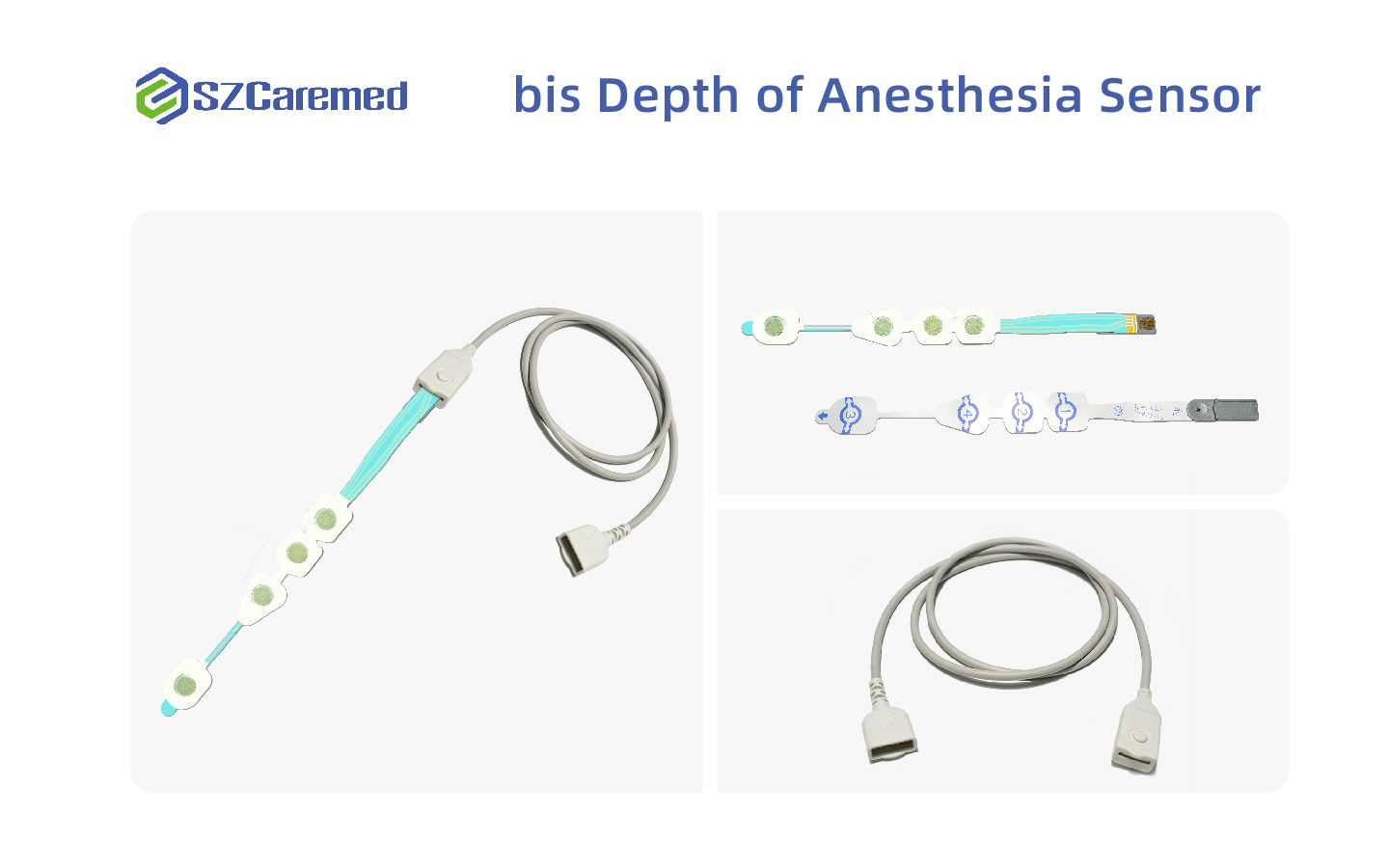
Understanding BIS Cable Functionality in Medical Systems
Core Components of BIS Monitoring Systems
BIS monitoring systems consist of key components like EEG electrodes, a signal processing unit, and an interface connected to a display monitor. These EEG electrodes are vital for capturing brain activity and are indispensable for deriving accurate BIS values, which indicate the patient's sedation level. Understanding how these components interact is instrumental in enhancing operational efficiency and patient safety during medical procedures. A seamless connection between the electrodes and signal processing units ensures that precise data is transmitted, aiding anesthesiologists in making informed decisions regarding patient care.
Relationship Between EEG Electrodes and Cable Performance
The performance of EEG electrodes is greatly influenced by the quality and construction of BIS cables. High-grade materials used in these cables and connectors guarantee optimal electrical conductivity and reduce electronic noise, which is crucial for accurate data collection. A deeper look into connector design shows that secure fitting is imperative to prevent disruptions in signal integrity, ultimately impacting the efficiency of patient monitoring. By ensuring excellent cable and connector quality, we improve the monitoring system's reliability, thus contributing to more robust patient care outcomes.
Role in Anesthesia Depth Monitoring
BIS cables play a pivotal role in monitoring anesthetic depth by providing real-time data, enabling precise dosing. The correlation between BIS values and patient responsiveness to anesthesia facilitates optimization in drug administration, ensuring patients receive appropriate anesthetic levels. Clinical studies have demonstrated that effective use of BIS monitoring can lead to shorter recovery times and reduced incidences of complications. By employing BIS cables, healthcare professionals can achieve better control over anesthesia, potentially enhancing overall patient safety and recovery outcomes.
Critical Compatibility Requirements
Matching Connectors to Medical Device Ports
Compatibility between BIS cable connectors and medical device ports is crucial for effective medical monitoring. Ensuring that the connector types align with device standards prevents operational failures during critical patient monitoring. This alignment is not merely a technical consideration but a critical requirement; mismatched connectors can lead to increased downtime and heightened patient risk. Research underscores the importance of conducting audits during procurement processes to mitigate such risks. In fact, these audits aid in identifying potential discrepancies in connector compatibility, fostering a more reliable healthcare setup.
Integration with Oxygen Sensors and Vital Monitors
BIS cables must integrate with other medical monitoring equipment, such as oxygen sensors, to provide seamless and comprehensive patient data analysis. Successful integration ensures that all vital signs are monitored simultaneously, enhancing decision-making during critical care. This multi-parameter monitoring is substantiated by illustrative specifications from medical guidelines, which advocate for leveraging such systems for improved clinical outcomes. By ensuring harmonious operation between BIS cables and vital monitors, healthcare providers can optimize patient monitoring and enhance overall care quality.
Cross-Platform Compatibility Considerations
Having BIS cables compatible with multiple monitoring platforms is essential for versatility across various medical environments. Cross-platform compatibility maximizes equipment utilization rates, saving time and reducing costs for healthcare providers. Recent industry reports reflect a growing demand for such capabilities, marking a shift towards integrated healthcare solutions. By facilitating efficient cross-platform compatibility, BIS cables contribute to streamlined operations and enhanced patient care, reaffirming their significance in modern medical practices.
Environmental Durability Factors
Resistance to Sterilization Processes
BIS cables must withstand harsh sterilization processes to maintain safety and compliance in medical settings. This requirement is crucial as these cables are repeatedly exposed to various sterilization methods that could potentially degrade their materials. Therefore, the materials must be robust enough to handle multiple sterilizations without losing functionality. Industry standards, such as ISO 13485:2016, provide insights into acceptable sterilization methods, ensuring that BIS cables remain dependable over extended use. Adhering to these standards is essential to meet the stringent safety protocols required in medical environments and ensure the longevity and reliability of BIS cables during continuous use.
Shielding Against Electromagnetic Interference
Effective shielding in BIS cables protects signals from electromagnetic interference, which can distort data readings crucial for patient monitoring. Understanding electromagnetic compatibility (EMC) is critical for BIS cable design, ensuring reliable operation across diverse medical environments fraught with electronic devices. Evidence from field studies highlights common failure cases where a lack of proper shielding has compromised signal integrity, emphasizing the need for stringent design standards. By implementing robust shielding techniques, manufacturers can significantly enhance the reliability of BIS cables, ensuring accurate data transmission vital for informed clinical decision-making.
Flexibility for Surgical Suite Workflows
BIS cables must offer flexibility to accommodate various surgical suite workflows, permitting quick adjustments without compromising usability. In dynamic surgical settings, design specifications should prioritize adaptability to the movement and positioning of personnel and equipment. Expert opinions suggest that a high flexibility quotient can bolster workflow efficiency, which holds positive implications for patient outcomes. By integrating flexible design elements, such as variable cable lengths and resilient materials, BIS cables can effectively adapt to the ever-changing demands of surgical suites, ultimately enhancing the operational fluidity and the overall standard of healthcare delivery.
Signal Integrity Essentials
Maintaining EEG Signal Accuracy
Maintaining EEG signal accuracy is crucial for effective BIS monitoring, where cables play a significant role. These cables must be manufactured under stringent quality control processes to ensure accurate readings, impacting patient monitoring outcomes directly. High signal fidelity is linked to improved monitoring capabilities, which can significantly enhance patient care. Statistical data reveals that improved cable quality leads to better patient outcomes, reaffirming the importance of investing in high-quality cables aimed at optimizing EEG accuracy.
Impact of Temperature Probes on Data Transmission
Temperature probes integrated into BIS systems must ensure seamless compatibility for consistent data transmission. The interaction between temperature measurements and EEG signals can influence monitoring efficiency, highlighting a need for thoughtful design. Clinical guidelines provide insight into optimal configurations to minimize interference, ensuring reliable operation in diverse medical environments. Designing probes with precise considerations guarantees the effectiveness of the entire BIS system, mitigating potential clashes between different sensor signals.
Crosstalk Prevention Strategies
In BIS systems, preventing crosstalk between signals is crucial to maintain accurate patient data readings. Effective design strategies, such as proper grounding and shielding, are essential to minimize signal interferences. Advanced crosstalk prevention methods, validated through research studies, enhance the reliability of monitoring systems. Implementing these strategies not only improves data accuracy but ensures BIS systems deliver precise and dependable patient monitoring, crucial in high-stakes medical applications.
Regulatory Compliance Considerations
ISO 13485 Certification Requirements
Achieving ISO 13485 certification is essential for BIS cable manufacturers, as it outlines rigorous guidelines for quality management systems in medical device production. Compliance with these standards ensures that cables adhere to safety and effectiveness requirements, pivotal when used in medical applications. Adhering to ISO 13485 not only guarantees high-quality products but also mitigates the risks of non-compliance repercussions outlined by regulatory bodies. This certification underscores the importance of maintaining certified processes to deliver reliable and safe connectivity solutions in medical environments. Meeting such standards reinforces trust and credibility with healthcare providers, ensuring that patient safety and equipment efficacy are prioritized.
Electrical Safety Standards for Patient Contact
Adhering to electrical safety standards is critical for preventing potential hazards during patient interactions with BIS cables. Standards like IEC 60601 provide a comprehensive framework for the safe design and performance of electrical medical equipment. Compliance with these standards is not optional but enforced by legislation, emphasizing a meticulous approach to patient safety and equipment quality. This ensures that any risks associated with electrical failures are minimized, safeguarding both the patients and medical staff. By following these stringent criteria, medical devices can perform safely and reliably, preserving the integrity of the care environment.
Validation Protocols for Clinical Use
Validation protocols play a pivotal role in confirming that BIS cables function correctly in clinical settings. These protocols involve extensive equipment testing and thorough documentation to ensure performance reliability. Regular reevaluations are advised by clinical guidelines to maintain compliance and keep pace with technological advancements. Maintaining such diligence ensures that the BIS cables continue to operate effectively within the clinical environment, adapting to the evolving needs of medical technology. By establishing robust validation processes, manufacturers can deliver BIS cables that consistently meet clinical standards and support optimal patient outcomes.