 EN
EN


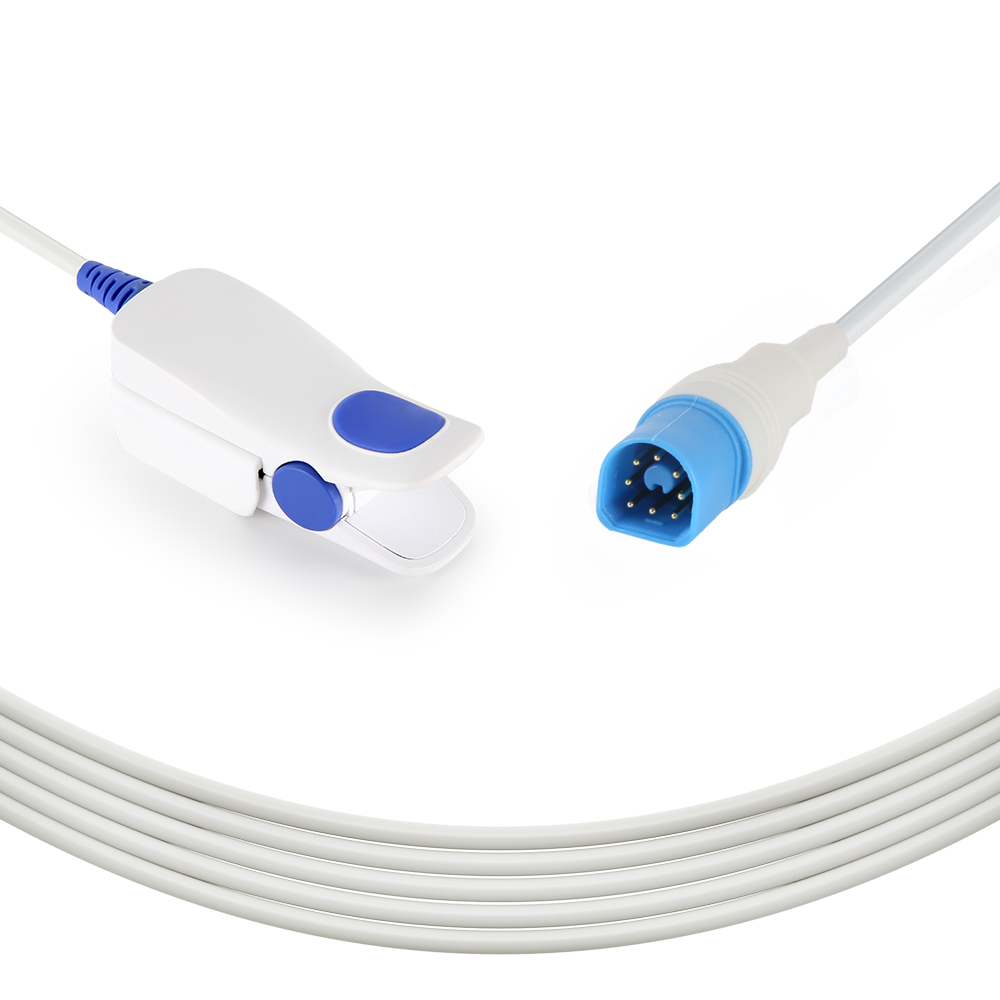
The Critical Role of EKG Cables in Heart Rhythm Analysis
Fundamentals of Cardiac Signal Transmission
EKG cables are fundamental in capturing the precise electrical signals generated by the heart, essential for accurate cardiac signal transmission. The heart produces electrical impulses that travel along specific pathways, prompting muscle contractions that ensure blood flow throughout the body. These electrical signals, originating from the sinoatrial node, are crucial in maintaining heart rhythm, and high-quality EKG cables are indispensable for capturing them with accuracy. By understanding how these signals are generated and transmitted, we appreciate the operational importance of EKG cables in diagnostic processes. Professionals rely on top-tier cables to reduce signal interference, thus ensuring that the readings they obtain are both reliable and precise. Given the complexity of cardiac signal pathways and the variability in patient conditions, the need for durable and efficient EKG cables is apparent, directly influencing the diagnosis and treatment of heart-related ailments.
Why Signal Quality Matters for Arrhythmia Detection
The quality of EKG cables plays a pivotal role in the early detection and diagnosis of arrhythmias. High-quality cables are designed to minimize distortion, which can significantly affect reading accuracy. Research shows that signal quality impacts arrhythmia detection rates by as much as 30%. This is crucial, as arrhythmias, being irregularities in heart rhythm, require precise monitoring and identification to ensure appropriate medical intervention. Investing in superior EKG cables promises more accurate patient monitoring, which can lead to improved healthcare outcomes. Doctors and healthcare providers acknowledge that insufficient cable quality can lead to misinterpretation of ECG results, jeopardizing patient safety. Enhanced signal quality not only aids in the timely diagnosis but also contributes to developing effective treatment plans, ultimately providing better patient care and reducing long-term medical costs associated with misdiagnosis or delayed therapy.
Advanced Technologies Ensuring Reliable Biometric Data
Shielding Innovations for Electrical Interference Resistance
Innovative shielding techniques are essential in minimizing electrical interference in biometric data. EKG cables in particular need to maintain the integrity of the signals they capture from the heart, and advanced shielding helps achieve this by significantly reducing noise levels. Recent research indicates that EKG cables with modern shielding can drastically reduce electrical disturbances, which are a common challenge in medical settings. The use of innovative materials, specifically designed to combat interference from sources like fluorescent lights and Bluetooth devices, enhances the reliability of biometric data.
Material Science in Flexible, Durable Cable Design
Material science advancements are pivotal in creating flexible yet durable EKG cables, vital for repetitive use in medical environments. A significant focus has been on the use of advanced polymers, which extend the lifespan of the cables while ensuring they deliver clear, undistorted signals. Flexibility is a critical design feature, as it does not compromise the cable's durability, which is crucial for use in fast-paced clinical settings. This balance of flexibility and strength ensures that the cables can handle constant wear and tear, providing consistent performance without frequent replacement. The role of such materials in cable design underscores the need for reliable tools in healthcare.
System Integration with Multi-Parameter Monitoring Devices
Synchronization with SpO2 Probes for Oxygen Saturation Correlation
EKG cables can seamlessly integrate with SpO2 probes to offer a comprehensive monitoring solution, allowing for the simultaneous observation of cardiac activity and oxygen saturation levels. This synchronization provides vital insights in real-time, helping caregivers and healthcare providers make timely interventions based on a complete picture of the patient's condition. Understanding the correlation between heart rhythm and oxygen saturation is especially crucial in critical care setups, where immediate and informed decisions are life-saving. Such integration enhances the reliability of biometric data by utilizing accurate readings from both devices, aiding in effective patient management.
Complementary Use with Non-Invasive Blood Pressure Cuffs
EKG cables also work effectively in tandem with non-invasive blood pressure (NIBP) cuffs, facilitating a more comprehensive monitoring system. By combining these tools, healthcare providers can conduct multi-parameter analyses, significantly enhancing diagnostic accuracy. This combination allows for a thorough assessment of a patient's vital signs, providing data that can inform crucial decisions, especially in intensive care environments. The proper use and integration of EKG cables with NIBP cuffs are critical in tracking patient vitals efficiently, fostering an environment conducive to recovery and health maintenance.
Enhancing Diagnostic Accuracy Through Signal Fidelity
Case Studies: Artifact Reduction in Critical Care Settings
In critical care settings, the role of high-quality EKG cables in reducing artifacts is crucial for enhancing diagnostic accuracy. Several case studies highlight how the integration of improved EKG cables has significantly decreased the presence of artifacts, which can otherwise misrepresent cardiac readings especially during emergencies. By eliminating these disruptions, healthcare providers can rely on more accurate data for vital decision-making processes. It's reported that emergency departments equipped with advanced, high-fidelity signal cables have observed better patient outcomes, primarily because they can now trust the reliability of cardiac monitoring in life-or-death situations.
Impact on Atrial Fibrillation Detection Rates
Studies have shown that higher signal fidelity in cardiac monitoring systems can dramatically affect the detection rates of atrial fibrillation, a common yet serious arrhythmia. By using quality EKG cables that provide clearer and more precise data, the odds of early and accurate atrial fibrillation detection improve. This capability transforms patient care, enabling healthcare professionals to implement proactive management strategies, thereby reducing the potential risk of severe cardiac events. The precise harnessing of such advanced detection tools ensures patient safety and enhances the overall efficiency of cardiac health monitoring.
Maintenance Protocols for Optimal Cardiac Monitoring
Cleaning Standards for Reusable Components
Implementing stringent cleaning standards for reusable EKG cables is critical to ensuring patient safety. Proper cleaning protocols significantly reduce the risk of hospital-acquired infections, a concern highlighted by several healthcare studies. Regular maintenance also ensures that EKG cables maintain their optimal signal quality and longevity, a necessary practice to deliver reliable cardiac readings. For instance, a study revealed that healthcare facilities adhering to rigorous cleaning routines reported a substantial decrease in infection rates associated with ECG monitoring equipment. This makes the maintenance of cleaning standards not only a practice of hygiene but also a preventive measure against potential health risks.
Connector Integrity Testing Methodologies
Regular testing of connector integrity is essential for ensuring reliable connections during critical cardiac monitoring. Data from several healthcare facilities have shown that frequent testing and stringent testing protocols can mitigate equipment failures, a common issue in high-usage medical environments. By implementing these protocols, medical facilities can enhance the reliability of their cardiac monitoring systems, providing uninterrupted, accurate heart monitoring. For example, a proactive testing schedule has been shown to decrease unexpected cable failures, ensuring that the devices are always ready for critical situations. This regular attention to connector health emphasizes the importance of maintenance in achieving effective, defect-free monitoring.