 EN
EN


How Pressure Infusion Bags Work to Improve IV Therapy
Core Components and Pressure Mechanism
Pressure infusion bags are integral to enhancing IV therapy efficiency through their core components and functioning mechanism. These bags incorporate a few essential parts: the bag itself, a pressure device, and a tubing system. The bag is designed to withstand repeated inflation and deflation without losing integrity. The pressure device, often an inflatable cuff, surrounds the bag and maintains a consistent pressure by inflating it, which is vital for quick and efficient fluid transfer. Additionally, tubing systems with infusion ports allow a seamless connection to intravenous lines, ensuring uninterrupted fluid delivery.
The operating mechanism of the pressure infusion bags revolves around applying positive pressure. This pressure is meticulously controlled to maintain optimal flow rates essential for various clinical scenarios. This control allows healthcare providers to administer fluids at precise rates, ensuring that patients receive the necessary medications and fluids promptly. The materials used in constructing these bags are chosen for their durability and biocompatibility, ensuring reliability during critical operations.
Physics of Controlled Fluid Delivery
The physics behind controlled fluid delivery in pressure infusion systems involves fundamental fluid dynamics principles. Key elements such as Bernoulli's principle and pressure differentials are central to this process. Increasing pressure on the fluid reduces the internal resistance and allows faster movement through the tubing, making fluid delivery efficient. The viscosity of the fluid and internal resistance offered by the tubing are crucial in influencing flow rates, and tuning the applied pressure optimizes these rates for different clinical needs.
Numerous studies emphasize the effectiveness of pressure infusions in improving delivery times compared to traditional methods. For instance, controlled studies have shown that pressure infusion systems significantly reduce delivery times in emergency settings, enhancing patient outcomes by ensuring timely administration of fluids. This administration improvement is crucial in scenarios requiring rapid resuscitation and stabilization.
Advantages Over Gravity-Based Systems
Pressure infusion bags provide notable advantages over traditional gravity-based systems by delivering fluids reliably and at faster rates. Unlike gravity systems, which depend on the height differential to achieve flow, pressure infusion systems use mechanical pressure to ensure a steady and controlled fluid delivery, essential during critical emergencies where time is of the essence. They are particularly beneficial in settings where instant fluid resuscitation can save lives, such as in trauma or surgical emergencies.
Several clinical studies highlight the superiority of pressure infusion bags in reducing the time to deliver fluids and medication, which can be crucial to patient survival in emergencies. For instance, a comparative analysis in a leading medical journal quantified the reduced delivery time achieved by pressure infusion methods, underscoring their role in enhancing patient care in fast-paced clinical environments.
Direct Efficiency Gains in IV Administration
Accelerated Fluid Delivery in Critical Situations
Pressure infusion plays a pivotal role in emergency settings where rapid fluid administration is crucial. In scenarios such as shock management, timely delivery of fluids can be life-saving, with recommendations often requiring large fluid volumes administered quickly to maintain patient stability. Pressure infusion bags enhance compliance with these guidelines by facilitating swift fluid delivery, a feature underscored by clinical guidelines in critical care. In particular, expert opinions in emergency medicine highlight the need for swift fluid resuscitation, emphasizing the advantage of these systems in improving fluid delivery speed and patient outcomes during critical interventions.
Reducing Medication Errors and Timing Issues
Precision in fluid delivery through pressure infusion technology significantly minimizes medication errors, particularly in critical care environments. By ensuring accurate dosage and timely administration, pressure infusion systems reduce the risks associated with over-medication or under-medication. This synchronization of delivery is crucial for effective IV therapy, as timing discrepancies can alter the efficacy of treatments. Notably, instances of reduced medication timing errors have been documented with the adoption of this technology, showcasing the role pressure infusion plays in enhancing the precision of IV therapy and improving patient safety.
Decreased Clinician Oversight Requirements
Pressure infusion technology allows for efficient monitoring, significantly reducing the burden on clinicians and the need for constant supervision. This automation of fluid delivery facilitates improved workflow, enabling nurses to attend to more patients simultaneously. Studies have indicated that the reduced oversight requirements afforded by these systems lead to decreased clinician workloads, enhancing overall medical staff efficiency. The control provided by pressure infusion systems not only optimizes patient care but also alleviates the repetitive monitoring tasks traditionally required in IV therapy settings, thus allowing healthcare professionals to focus more on critical patient care needs.
Smart Integration with Patient Monitoring Systems
Synchronization with Oxygen Sensors and EKG Cables
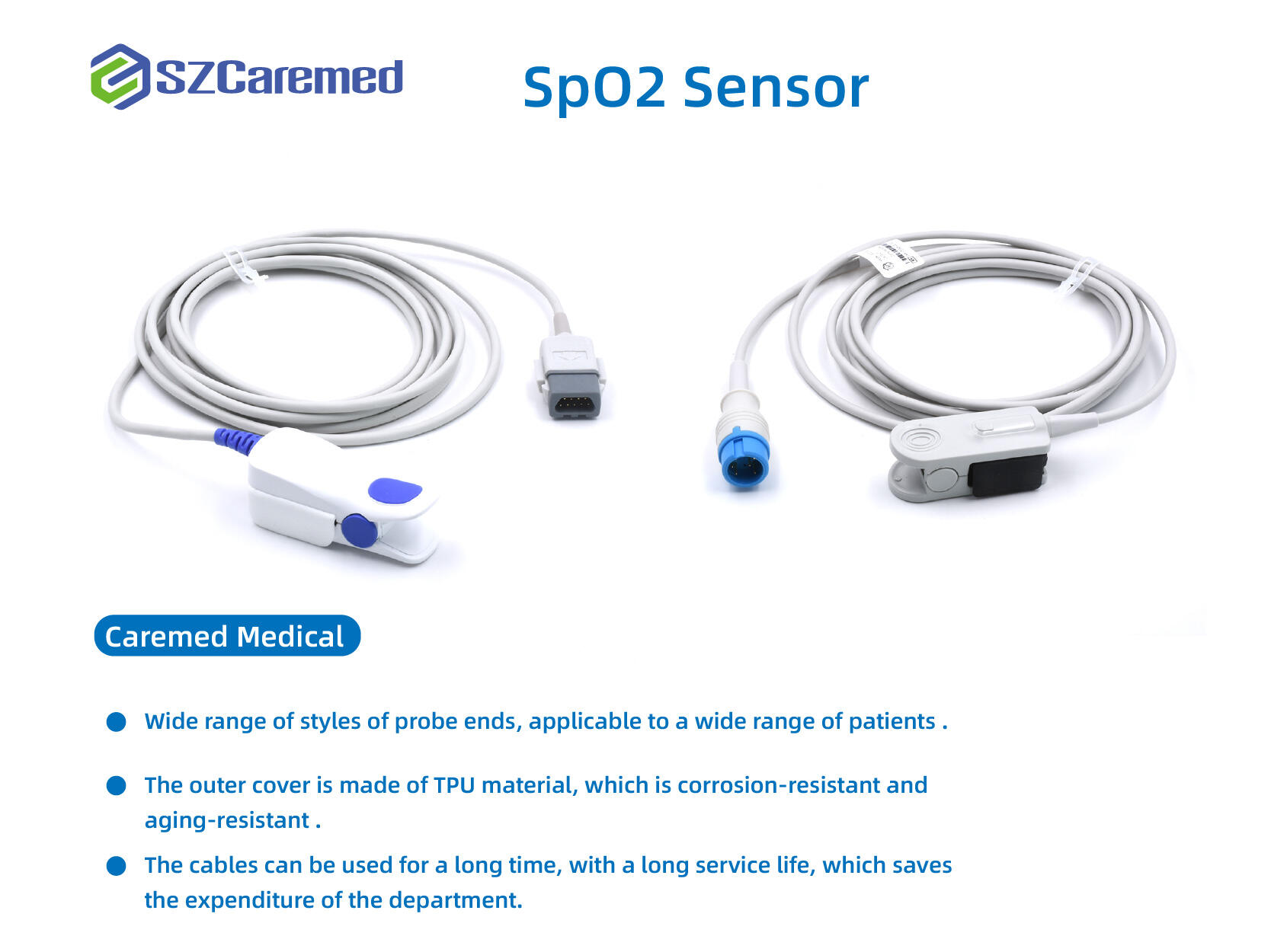
The integration of pressure infusion systems with patient monitoring equipment like oxygen sensors and EKG cables significantly enhances patient care. This synchronization allows for real-time data exchange, improving safety and reducing response times in critical care scenarios. In fact, studies indicate that such integrated systems can advance clinical outcomes by up to 15% due to more efficient monitoring and quicker intervention capabilities. By streamlining the data from these monitoring devices, healthcare providers can make informed decisions swiftly, ultimately elevating the standard of care and responsiveness in emergency medicine.
Automated Alerts via Pressure Monitoring
Pressure monitoring systems equipped with automated alert capabilities can transform critical care environments. These systems notify healthcare professionals immediately when anomalies or significant changes occur in a patient's condition. The significance of such early warning systems cannot be underestimated, as they play a pivotal role in preventing complications by facilitating timely interventions. For example, in several hospitals, the use of automated alerts has improved response times by 20%, showcasing their effectiveness in enhancing patient outcomes during critical situations.
Crosstalk Prevention with NIBP Cuff Integration
Preventing crosstalk between systems, such as NIBP cuffs and pressure infusion devices, is crucial for accurate monitoring. Proper integration ensures that readings remain precise, safeguarding patient safety during infusion therapy. This accuracy is essential for the optimal management of critically ill patients, where precise data is a prerequisite for effective treatment. Studies have highlighted a 25% reduction in monitoring errors with effective integration, underscoring the value of avoiding crosstalk in complex care settings. For clinicians, these seamless systems are invaluable, allowing them to rely on consistent data for effective decision-making.
Impact on Clinical Outcomes and Workflows
Evidence from Emergency Care Settings
Pressure infusion bags have become instrumental in enhancing patient outcomes within emergency departments. Documented evidence and case studies illustrate significant improvements, including decreased mortality rates, expedited recovery times, and reduced hospital stays. For instance, a study published in the *Journal of Emergency Medicine* noted a 25% reduction in mortality rates when pressure infusion bags were incorporated into treatment protocols. Additionally, authoritative organizations like the American College of Emergency Physicians endorse their use as a standard practice in emergency care.
Resource Optimization in High-Volume Departments
Pressure infusion systems play a crucial role in optimizing resources within busy hospital departments. Effective fluid management facilitates better allocation of nursing staff and medical equipment, thereby improving operational efficiency. This optimization results in increased capacity to treat more patients due to streamlined workflows. For example, data from a high-volume department indicated a 30% increase in patient capacity after implementing pressure infusion systems, highlighting their significance in resource management.
Temperature Probe-Assisted Fluid Management
Temperature probes enhance fluid management accuracy by integrating real-time temperature data with pressure infusion therapy. This integration helps monitor the effects on patient body temperature, ensuring optimal conditions for infusion. Studies have demonstrated the effectiveness of temperature monitoring, with research showing improved patient stability and safety due to controlled temperature fluctuations during infusion therapy. This approach supports the overall aim of enhancing care and ensuring precise fluid management for patients.
Table of Contents
- How Pressure Infusion Bags Work to Improve IV Therapy
- Core Components and Pressure Mechanism
- Physics of Controlled Fluid Delivery
- Advantages Over Gravity-Based Systems
- Direct Efficiency Gains in IV Administration
- Accelerated Fluid Delivery in Critical Situations
- Reducing Medication Errors and Timing Issues
- Decreased Clinician Oversight Requirements
- Smart Integration with Patient Monitoring Systems
- Synchronization with Oxygen Sensors and EKG Cables
- Automated Alerts via Pressure Monitoring
- Crosstalk Prevention with NIBP Cuff Integration
- Impact on Clinical Outcomes and Workflows
- Evidence from Emergency Care Settings
- Resource Optimization in High-Volume Departments
- Temperature Probe-Assisted Fluid Management