 EN
EN


News
Selecting the Optimal ECG Cable for Your Cardiac Monitoring Needs
Key Considerations for ECG Cable Selection
Material Durability and Flexibility
Selecting ECG cables that offer both durability and flexibility is essential for optimal performance in clinical settings. The materials used should withstand repeated use while maintaining their structural integrity. Cables made from materials like PVC, silicone, and rubber are popular choices; each has unique benefits and drawbacks. PVC often provides excellent durability, but silicone offers superior flexibility, making patient and healthcare provider interaction smoother. Additionally, it’s crucial to pick materials that are resistant to environmental factors such as moisture or chemicals, as these can compromise cable integrity over time.
Lead Count and Configuration Options
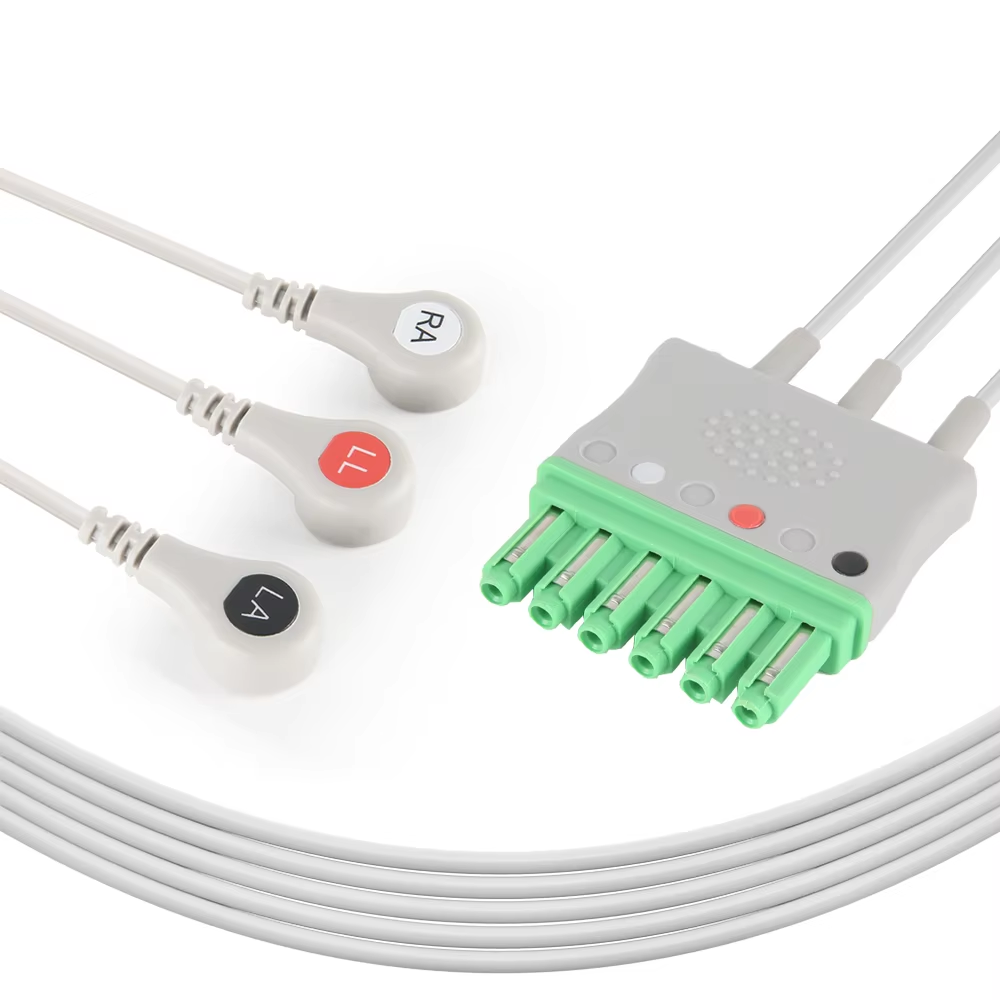
Determining the appropriate lead count, such as 3-lead, 5-lead, or 12-lead configurations, is key to satisfying specific monitoring requirements. Each configuration supports varied levels of detailed cardiac examination, influencing patient monitoring capabilities. For instance, a 12-lead configuration offers comprehensive data capture, while a 3-lead setup might suffice for basic rhythm monitoring. Customizability is also vital; the ability to adjust electrode placement to meet clinical demands ensures the ECG cables align with individual patient needs, enhancing diagnostic accuracy and patient comfort.
Compatibility with Monitoring Devices
Ensuring ECG cables are compatible with existing monitoring systems can prevent costly interoperability issues. It’s essential to verify that connections are stable to avoid signal loss, which could compromise monitoring accuracy. Typical monitoring devices utilized with ECG cables include touch screen monitors and handheld devices. Reliable connections not only guarantee consistent signal quality but also facilitate seamless integration with various medical equipment, improving the efficiency of patient monitoring processes.
Understanding ECG Cable Types
Reusable vs. Single-Use ECG Cables
Choosing between reusable and single-use ECG cables involves careful consideration of various factors including cost, environmental impact, and patient safety. Reusable ECG cables present a cost-effective option over time since they can be sterilized and reused, which reduces waste and lowers expenditure on disposable products. However, they may require regular maintenance to ensure their functionality and longevity, including routine checks for wear and damage. In contrast, single-use ECG cables eliminate the risk of cross-contamination, offering a higher standard for patient safety and infection control. While they may introduce higher short-term expenses due to repeated purchases, they are particularly beneficial in high-risk environments like hospitals where hygiene is paramount.
Specialty Cables for Pediatric and Adult Use
Different patient populations have differing needs, and this is evident in the design and functionality of ECG cables for pediatric versus adult use. Pediatric ECG cables are usually designed with shorter lead lengths and smaller connectors to accommodate the anatomical features of children. This not only ensures more accurate readings but also enhances comfort for younger patients. On the other hand, adult ECG cables require sturdier components to handle diverse body sizes and are usually constructed to withstand more physical stress. Therefore, choosing the appropriate cable type based on the patient's age group is critical to ensure both effectiveness in patient monitoring and comfort, as different age groups have varied requirements and tolerances. These details emphasize the importance of selecting the specific cable type to meet the unique physiological requirements of different patient populations, ultimately ensuring precise measurements and comfort.
Signal Quality and Performance Factors
Shielding Against Electrical Interference
Shielding is paramount in ECG cables to maintain optimal signal quality by reducing external noise interference. In clinical settings, electronic equipment and other environmental factors can introduce electrical interference, negatively impacting ECG readings. High-quality shielding materials, such as braided copper or aluminum foil, are effective in mitigating these disturbances, ensuring reliable monitoring. By employing advanced shielding techniques, we secure the diagnostic integrity of ECG systems, offering patients accurate assessments of their cardiac health.
Connector Types and Secure Attachment
Connector types in ECG cables play a crucial role in cable performance and reliability. Various designs, such as snap or clip connectors, have distinct implications for ensuring secure connections. It's vital to emphasize the importance of secure attachments, especially during patient mobility, to prevent loose connections that can interfere with ECG readings. The industry has established best practices in connector design, focusing on user-friendly interfaces that facilitate easy setup and enhance the overall experience for healthcare professionals. Robust connectors ensure the smooth integration of ECG units, delivering uninterrupted data acquisition and improved patient outcomes.
Regulatory Compliance and Safety Standards
FDA and CE Certification Requirements
FDA and CE certifications are essential quality assurance markers for ECG cables, ensuring that the devices meet rigorous safety and performance standards. These certifications indicate compliance with established protocols, which are crucial for patient safety and effective monitoring. The process of obtaining these certifications involves thorough testing and documentation to meet specific regulatory requirements. For ECG cables, this includes verifying electrical safety, biocompatibility, and effective signal transmission. Staying updated with regulatory changes, such as modifications in testing procedures or equipment standards, is vital for manufacturers to continue offering compliant and reliable products. Recent advancements in technology may lead to updates, impacting how ECG cables are designed and tested to uphold these certifications.
Infection Control Protocols
Infection control is critical in the healthcare setting, particularly with equipment like ECG cables, which are frequently used on multiple patients. Effective infection control protocols help mitigate healthcare-associated infections (HAIs), which present a significant risk within hospitals. According to the CDC, HAIs affect about 1 in 31 hospital patients daily. Robust cleaning and disinfecting protocols for ECG cables are thus essential. Best practices include using sterilizable covers and cleaning with hospital-grade disinfectants after each use. Healthcare facilities should implement routine checks to ensure compliance with these protocols, thereby reducing the risk of infections and safeguarding patient health.
Emerging Trends in ECG Cable Technology
Integration with Wireless Monitoring Systems
The integration of wireless technologies into ECG systems represents a significant advancement in modern healthcare. Wireless ECG systems eliminate the clutter associated with traditional wired setups, dramatically enhancing patient mobility and comfort. Patients can move more freely within their environment, which is especially beneficial in emergency and ICU settings where space is often limited. Some current wireless ECG technology providers have demonstrated the efficacy of such systems with groundbreaking products that seamlessly transmit data in real time to healthcare professionals. By reducing the physical limitations of wired connections, wireless ECG systems play a crucial role in optimizing patient care and improving overall workflow.
Smart Cables with Diagnostic Feedback
Smart ECG cables capable of providing real-time diagnostic feedback are revolutionizing patient monitoring. These innovative cables offer clinicians immediate insights into a patient’s cardiovascular status, potentially improving response times to critical changes. The ability to receive diagnostic data directly from the cables enhances patient outcomes by enabling more precise and timely interventions. For instance, innovations currently in the field are incorporating AI algorithms to analyze ECG signals and suggest diagnostic possibilities, which can be a game-changer in emergency scenarios. Such advancements not only pave the way for proactive healthcare strategies but also signify a shift toward more intelligent and integrated medical technologies.
Incorporating these trends into healthcare systems not only enhances the patient experience but also bolsters clinical efficiency, leading to a future where ECG technologies become more aligned with the needs of both patients and healthcare providers.
 ONLINE