 EN
EN


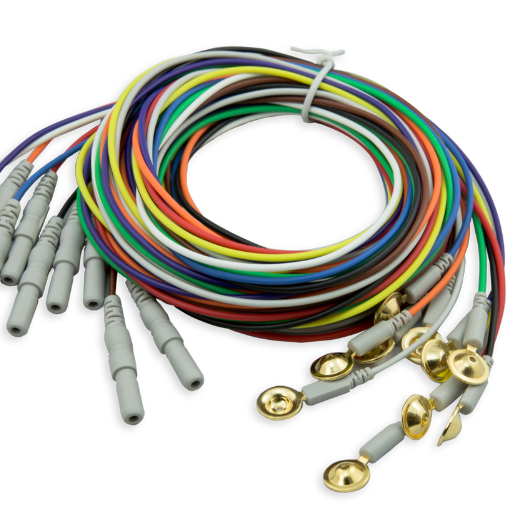
Understanding EEG Cables and Their Critical Role
How EEG Cables Transmit Brain Signals
EEG cables are essential in transmitting neuroelectrical signals from the scalp to the EEG device. They play a crucial role in capturing and conveying the brain waves detected by electrodes placed on the scalp. These cables are designed to minimize signal loss, ensuring high fidelity in recording brain activity, which is pivotal for accurate diagnosis and treatment of neurological conditions. For instance, in epilepsy diagnosis, precise signal capture is essential for identifying seizure types and triggers.
The construction of EEG cables is optimized for both conductivity and flexibility, allowing for comfortable use across various patient conditions. Materials used in these cables often include specialized metals or alloys that provide excellent electrical conduction while being lightweight and flexible. This design ensures that the cables can handle patient movements without degrading the signal quality, which is particularly important during prolonged monitoring sessions. By maintaining the integrity of neuroelectrical signals, EEG cables prove indispensable in clinical and research settings.
Differences Between EEG Cables and Other Medical Sensors (e.g., NIBP Cuff, SpO2 Probe)
While EEG cables are dedicated to capturing the brain's electrical activity, other medical sensors like the NIBP cuff and SpO2 probe perform different functions. The NIBP cuff measures blood pressure through oscillometric or auscultatory methods, assessing the force exerted by circulating blood on the walls of the arteries. Meanwhile, an SpO2 probe determines blood oxygen saturation levels by using light absorption technology. Unlike EEG cables, these devices focus on physiological parameters rather than electrical signals.
Furthermore, EEG cables generally have a higher number of channels compared to NIBP and SpO2 devices. This multichannel capability is crucial for simultaneously recording electrical activities from different brain regions. In contrast, NIBP cuffs and SpO2 probes typically concentrate on singular readings, focusing on capturing one specific physiological metric at a time. The complex design of EEG cables enables them to remain functionally efficient despite multiple placements and movements, ensuring data quality is not compromised. In doing so, they provide a comprehensive view of cerebral activity, which is vital in monitoring and diagnosing neurological disorders.
Types of EEG Cables for Clinical Applications
Standard EEG Electrodes vs. Specialty Configurations
Standard EEG electrodes serve as the backbone for routine EEG tests in most clinical settings. They provide reliable readings at a lower cost, making them the first choice in many medical scenarios. These electrodes are designed for general applications where essential brain electrical activity monitoring is sufficient. However, for more sophisticated needs, specialty configurations are vital. These advanced setups, such as dense array configurations, are necessary for capturing localized brain activity, allowing deeper insights during research or detailed neurological examinations. Each type plays a unique role in clinical applications, with standard setups suited for basic monitoring, while specialized systems cater to comprehensive analysis.
Compatibility with Different EEG Systems
EEG cables must be universally compatible with a variety of EEG systems, including both portable and stationary models. This compatibility is influenced by differing connector types and digital signal processing capabilities. Ensuring a high degree of compatibility enhances the flexibility of equipment use across different clinical environments, from busy hospitals to outpatient clinics. Proper compatibility is crucial as improper connections can lead to inaccurate readings or even cause equipment damage. It's essential that clinicians and technicians verify that the EEG cables they use match the system requirements to maintain the accuracy and integrity of the EEG tests.
Optimizing EEG Cable Performance
Proper Placement Techniques for Accurate Readings
Accurate EEG readings are pivotal to diagnosing and monitoring brain activity, requiring precise placement of cables. The International 10-20 system is the standardized approach to ensure proper placement, thereby enhancing the reliability of results. This system ensures electrodes are positioned at specific points on the scalp, optimizing signal capture from the cerebral cortex. Training staff to follow these placement guidelines and maintaining cleanliness can significantly minimize artifacts—undesired signals that may interfere with data quality. Moreover, correctly using conductive gels or pastes improves electrode contact, enhancing conductivity and comfort; these gels are vital for obtaining stable EEG readings, particularly in clinical settings.
Avoiding Interference from External Devices
External electrical devices can pose a risk to the quality of EEG readings through electromagnetic interference. Common culprits include cell phones and MRI machines, which must be isolated from EEG equipment to preserve performance. Shielded cables are essential tools in minimizing interference risks; they protect sensitive signals from external electromagnetic fields. Additionally, configuring cables and equipment with consideration to nearby electrical sources helps safeguard signal integrity. It is equally important to educate clinical staff on identifying potential interference sources to ensure optimal EEG system performance. This preventative approach safeguards the integrity of EEG readings in varied clinical environments, maintaining high diagnostic accuracy.
EEG Cables in Diagnostic Procedures
Role in Sleep Studies and Ambulatory Monitoring
EEG cables play a crucial role in sleep studies, offering insights into brain activity across various sleep stages. This information is vital for diagnosing sleep disorders like sleep apnea. By tracking EEG data throughout the sleep cycle, we can better understand disruptions that indicate specific conditions. Additionally, ambulatory monitoring extends the capabilities of traditional EEGs by allowing continuous monitoring outside hospital settings. These portable systems provide vital data for extended periods, capturing brain wave patterns during day-to-day activities. Through such applications, EEG cables underscore their versatility, proving indispensable across a multitude of diagnostic scenarios.
Integration with Video Telemetry Systems
Integrating EEG cables with video telemetry systems substantially elevates patient monitoring during seizures. This comprehensive setup allows simultaneous transmission of both video and EEG data to ensure high diagnostic accuracy. The combined insights into brain wave activity and physical manifestations provide greater clarity into seizure characteristics and behavioral responses. High-quality cables are essential for maintaining data fidelity without interruptions, which is crucial for connecting EEG findings with real-time physiological actions. This integration not only assists in better understanding seizure dynamics but ultimately leads to improved patient treatment strategies and outcomes.
Maintenance and Safety Considerations
Cleaning Protocols for Reusable Components
Establishing stringent cleaning protocols for EEG cables is critical to maintaining equipment hygiene and longevity. EEG cables and other reusable components must be thoroughly disinfected after each use to prevent cross-contamination, especially when used with multiple patients. Following the manufacturer's cleaning guidelines is essential to ensure safety and optimal performance. These protocols not only help in preventing infection but also play a crucial role in extending the life of the equipment, ultimately resulting in cost savings and enhanced patient care.
Recognizing Wear and Tear in Oxygen Sensor Connections
Regular inspection of EEG cable connections, particularly oxygen sensor connections, is crucial to identify signs of wear and tear that could compromise functionality. Over time, these high-contact areas can show fraying, discoloration, or become loose, leading to inaccurate readings or complete equipment failure. Detecting these issues early through routine checks helps in timely preventative maintenance, reducing the risks associated with technical malfunctions. Proper upkeep of these connections ensures reliability in patient monitoring and contributes significantly to overall patient safety.
Table of Contents
-
Understanding EEG Cables and Their Critical Role
- How EEG Cables Transmit Brain Signals
- Differences Between EEG Cables and Other Medical Sensors (e.g., NIBP Cuff, SpO2 Probe)
- Types of EEG Cables for Clinical Applications
- Standard EEG Electrodes vs. Specialty Configurations
- Compatibility with Different EEG Systems
- Optimizing EEG Cable Performance
- Proper Placement Techniques for Accurate Readings
- Avoiding Interference from External Devices
- EEG Cables in Diagnostic Procedures
- Role in Sleep Studies and Ambulatory Monitoring
- Integration with Video Telemetry Systems
- Maintenance and Safety Considerations
- Cleaning Protocols for Reusable Components
- Recognizing Wear and Tear in Oxygen Sensor Connections