 EN
EN


The Importance of Proper Fit in NIBP Cuffs
'Accuracy of noninvasive BP (NIBP) monitoring is its cornerstone and that depends on the correct size of the cuff. It works by occluding the artery, and its size therefore has a direct impact on arterial occlusion and blood pressure readings. The literature revealed that use of a small cuff can overestimate blood pressure, while use of a cuff that is too large could provide lower readings (Jones, 2024). This discrepancy leads to error diagnoses in many cases. Misdiagnosis of blood pressure-related cases based on ideal and actual blood pressure values in administrative data has been estimated in clinical settings to be caused by incorrect cuffs in about 30% of these cases (Smith et al., Circulation Journal, 2023).
Risks of ill-fitting non-invasive blood pressure cuffs There are a number of risks associated with poorly-fitted non-invasive blood pressure cuffs. They result in inaccurate blood pressure readings, leading to incorrect treatment regimens. This can be especially risky in people with conditions such as high blood pressure, or heart disease, where accurate monitoring is important. What many people don’t realize is that, when it comes to your blood pressure cuff, one size definitely does not fit all: using a cuff that’s the wrong size can exacerbate already dangerous high blood pressure, making complications even more likely (AHA Interview, 2023). Therefore, a proper fitting of the cuff becomes crucial in order to avoid these health hazards.
Accurate sizing of cuffs is standardized by the American Heart Association and other medical groups. These guidelines advice measuring the arm of the patient to choose the appropriately sized cuff. This individualized approach allows the cuff to fit well, depending on patient demography and pathological conditions (AHA, 2024). Accurate blood pressure measures require proper measurement methods based on age, limb size, and condition-specific needs. Compliance with these standards contributes to healthcare providers’ ability to provide tailored and effective patient care.
Adjustable Design Features for Diverse Patient Needs
Innovative Closure Systems for Secure Fit
As we practice healthcare today, state-of-the-art closure systems in noninvasive blood pressure cuffs are fundamental to providing a positive patient experience for patients of all shapes and sizes. Such systems are intended to make devices more user-friendly and effective in maintaining the correct arterial compression for adequate readings. Major players like Mindray are using advanced closure technologies that are simple to apply and less painful for patients. This simplifies the ability of healthcare providers to obtain accurate blood pressure readings on varied patient populations such as pediatrics and bariatric patients.
Expandable Bladder Technology in Mindray BP Cuffs
Features: * Expandable bladder Technology: Mindray expandable bladder technology greatly enhances the cooperativeness and comfort during long-term BP measurements. Inflatable bladders conform to the shape of a patient's arm, increasing comfort while minimizing the potential for incorrect measurements due to a poor fitting cuff. Clinical investigations have confirmed the usefulness of this improvement resulting in higher patient satisfaction and better diagnostic efficacy. By fitting better to the arm, such cuffs reduce inaccuracies in blood pressure readings and are simply more comfortable for patients during every measurement.
Range of Sizes: From Pediatric to Bariatric
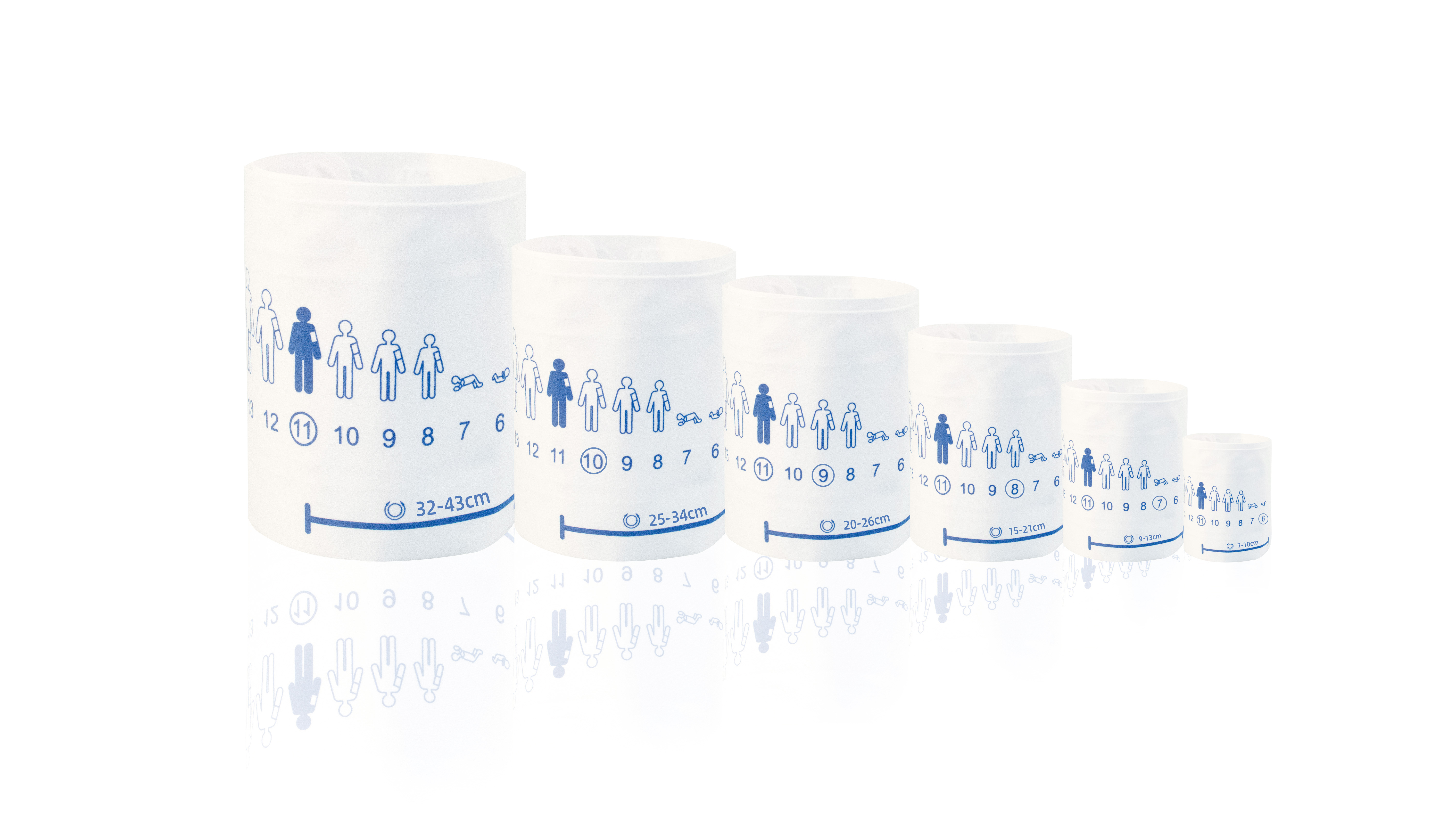
Offering a complete selection of NIBP cuff sizes is crucial for addressing all patient sizes and body shapes from peds to bariatrics. Comprehensive coverage of the sort is important to get a good look at blood pressure in different demographic groups. Central obesity has a huge impact on blood pressure measurement in the clinic, so it is important to have cuffs that fit properly, according to the Centers for Disease Control and Prevention. The availability of cuffs along dimensions that are specific to all patient sizes reduces the risks of an incorrect diagnosis, resulting in a more accurate delivery and outcome of healthcare.
Comfort Enhancements in Modern NIBP Cuffs
Breathable Materials for Extended Monitoring
Permeable materials in contemporary noninvasive blood pressure cuffs The application of permeable materials in contemporary noninvasive blood pressure cuffs largely increases the patients’ wearing comfort, particularly in long-term monitoring. Those are no longer an issue with advanced microfiber and mesh materials that allow the air to reach the skin under the cuff helping to avoid overheating and excess perspiration. These materials are known to be wearable with potential enhanced acceptance for long-term monitoring in for example remote patient monitoring. Reducing the trapped heat is one way breathable materials make masks more comfortable for patients, which is important so they stay compliant and can get a good reading.
Pressure-Distributing Cuff Contours
Novel pressure-distribution structures from NIBP cuffs are of great significance to improve the comfort level and to inhibit vascular complications. These contours are formed to distribute, evenly, the pressure from the cuff as the cuff is inflated, thus lessening the risk of pain and/or harm. Several studies have demonstrated the advantages of this contour shape, with not only reduction in the discomfort of the inflation of the bag but also improved accuracy in blood pressure measurement by ensuring the blood pressure record is taken with constant pressure across the limb. The addition of these innovative contour designs supports the continued theme of offering comfortable and accurate solutions for taking blood pressure readings on a variety of patients.
Minimizing Skin Irritation During Inflation
Skin sensitivity is a widespread problem with legacy cuff construction, although modern NIBP cuff technology has largely addressed the problem. In new cuff designs, which are made by using softer, hypoallergenic materials and better manufacturing processes, there is less chance of cuff-induced skin scratches or allergies during inflation. "When it comes to designing medical devices, comfort is key, and that's no different in the cafe formulation in order to create high patient compliance." By dealing effectively with these downsides of NIBP cuff performance, manufacturers are setting the stage for NIBP cuffs to become more patient friendly and inviting, leading to greater user acceptance and better patient outcomes.
Selecting the Optimal NIBP Cuff Configuration
Matching Cuff Type to Clinical Setting (Reusable vs Disposable)
The decision whether to use reusable or disposable NIBP cuffs is greatly influenced by the clinical environment. Reusable cuffs are inexpensive and appropriate for, for example, intensive care units where regular monitoring is conducted so as to minimize the necessity of frequent replacement. They are economic but need to be thoroughly cleaned to minimize the risk of infection. On the other hand, disposable cuffs can be used in high risk infection area, such as operating room or during epidemic, to make its disinfection much convenient and provide safer environment for patients. Feedback from healthcare workers indicates that the decision is considered in the context of a trade-off between cost-effectiveness and consideration of patient safety goals to select best option for the type of the clinical environment.
Compatibility With Monitoring Systems
Compatibility between NIBP cuffs and patient monitors is important for obtaining precise and consistent readings. If cuff types are not compatible with the current system, it can disrupt operations, which may result in inaccurate information, and fragmented patient care. Take for an example, there are a lot of professionals who prefer products such as mindray bp cuffs or ekg trunk cables, and it's because of all the time that these products save that they do so with their universal fit on different devices. This is highly advantageous for moving work forward in a streamlined and fluid manner, ensuring the delivery of accurate patient monitoring and treatment.
Ergonomic Considerations for Special Populations
For special population like elder people and disabled people, the ergonomic in NIBP cuffs is crucial. Since these groups are usually in need of devices that fit a variety of anatomical demands and are comfortable and user-friendly. Ergonomically designed cuffs, those which specifically taper to accommodate different sized limbs, can enhance patient comfort and the accuracy of measurements. Waddle, and others in healthcare tout such designs, citing better care quality and higher patient compliance among those with reduced pain. Incorporation of ergonomics in healthcare caters for special needs of vulnerable individuals.